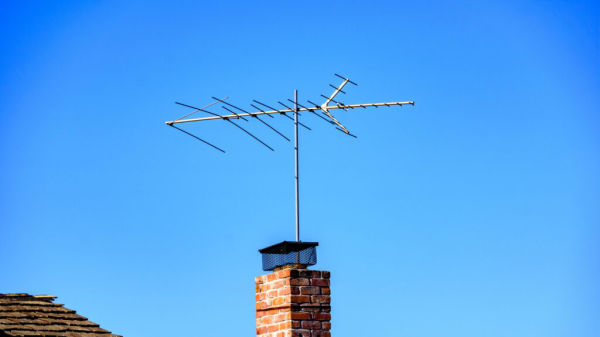
If you’re considering using a TV antenna, understand that there are only two types to pick from , indoor and outdoor, and it’s important to understand the differences between them to ensure you make an informed purchased. Put simply, the key difference between outdoor and indoor antennas is where they’re meant to be mounted. An outdoor antenna is meant for mounting outside, while an indoor one is placed inside the house. You can place an indoor antenna on a window, while an outdoor one can go on the roof, in the attic, or even on a balcony.
Beyond that, outdoor models have strong signal reception and provide better performance and access to a greater number of TV channels. Indoor models aren’t as powerful, but can still suffice depending on where you live. In either case, they can enable you to watch dozens of TV channels for free, including major broadcast networks like ABC, FOX, and NBC, and it’s resolution could be better than what you get from cable.
Should you buy an indoor or outdoor antenna?
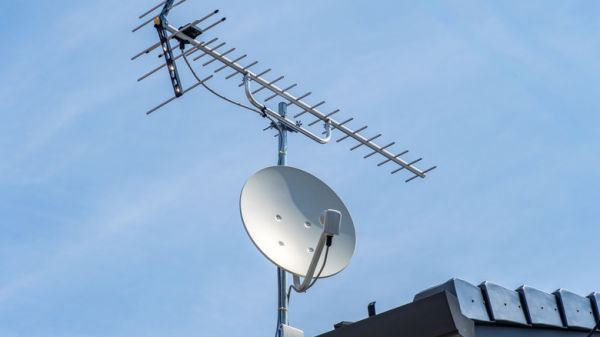
Unfortunately, there isn’t a one-size-fits-all TV antenna because different factors can influence the type of antenna you should get. One such consideration is where you live. If it’s in a place that has good broadcast reception, such as near broadcasting towers, you can do just fine with an indoor antenna. A simple yet effective method of determining if you’re near a good broadcast signal is to use the RabbitEars Signal Search Map. Just enter your location into the tool and it’ll tell you the stations available and the estimated strength of the signal. Another handy tool is AntennaWebwhich lets you check available free live TV channels in your area.
The second reason you might consider an indoor one is if you live in an apartment that makes it impossible to mount an outdoor antenna. For in-house models, however, you’ll need to watch out for signal interference from the walls and household appliances, which can negatively impact reception even with the best indoor TV antennas.
As mentioned before, outdoor antennas offer the best signal reception, but may be more expensive than indoor ones and larger in size. Furthermore, you might need professional help in order to properly mount an outdoor antenna, which is an additional expense. That said, you may still find it worth investing in. But even after you’ve decided between an outdoor and an indoor antenna, there are yet other factors to take into consideration, like size, supported frequency bands when stations change their broadcast frequency, and whether to go with one that has a passive or active antenna. Sure, you could always try using a satellite dish like a TV antenna instead, but it may not work out.