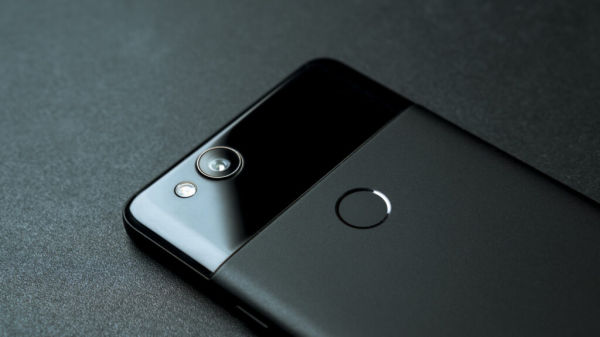
When our favorite tech becomes outdated, incompatible with other modern devices, or impossible to repair, it’s usually time to move on. Sometimes, that obsolescence is easy to spot and hard to ignore, such as a broken part that’s become impossible to replace. But that’s not always the case. One subtle way tech becomes obsolete is a lack of software updates, which leaves it vulnerable to security risks and can eventually make it incompatible with new apps and devices. Smartphones – including the Google Pixel range – can fall victim to this.
Generally, when you buy a smartphone, you can expect to receive software updates for several years. The exact figure varies from brand to brand, and sometimes from one phone or operating system to another. In Google’s case, this changes between generations, and some generations of its flagship smartphone are too old to receive software updates.
According to the official Pixel Phone Help pagethe Pixel 5 and older will no longer receive any operating system version or security updates. That includes the Pixel 1, 2, 3, and 4, plus variants such as XL models, A-line phones, and 5G-enabled versions. As of August 2026, the Pixel 5a with 5G is the most recent of Google’s now-defunct smartphones, having launched in August 2021. It received software updates until late 2024, meaning it had a lifespan of around three years.
How many years of software updates do Google Pixel phones get?
Exactly how long your Pixel will receive software updates depends on the model. If you own anything from the Pixel 8 onwards, including Pro models like the Pixel 11 Pro Fold and A-line models like the Pixel 9a, then you’ll receive seven years of updates from its launch date in the U.S. To be clear, that doesn’t mean you’ll get updates for seven years of ownership; the clock starts from the date Google first made it available. So, no matter when you buy a Google Pixel 11 Pro or Pro Fold, it will receive updates until sometime in 2033, given its August 2026 launch.
Meanwhile, if you own an older, pre-eighth-generation device, then your Pixel’s lifespan is set to be a little shorter – at least when it comes to software updates. The Pixel Fold, Pixel 7 range, and Pixel 6 will get years of guaranteed updates from when the device became available on the United States Google Store. If you’re reading this in August 2026, that means most will have OS and security updates for a few more years, alongside any relevant Pixel Drops, except the Pixel 6 and 6 Pro. These launched in October 2021 and may no longer be getting updates by the time you read this.
Is it safe to keep using a phone that doesn’t get software updates anymore?
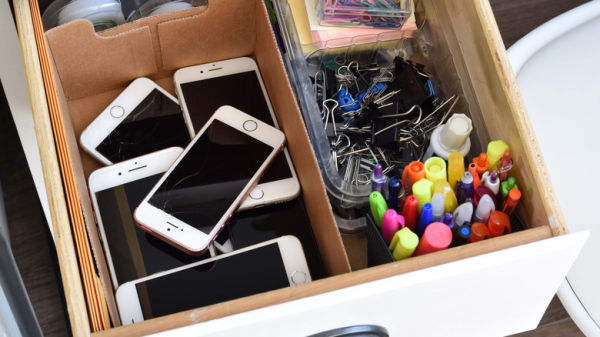
Whether it’s safe to keep using your phone past the point where it still gets updates depends a little on exactly what type of update you’re looking at. A phone that doesn’t receive regular Android operating system updates, for instance, can continue to work well for a while, although it may lose compatibility with applications over time. Security updates, on the other hand, are a different question entirely.
A phone that’s no longer getting regular security updates or safety patches is much less safe to use. Security updates are a crucial part of your phone’s OS, ensuring your device is protected from bad actors trying to exploit software vulnerabilities. Without constant updates to keep it ahead of the curve, the likelihood of your device being compromised or infected with a virus can increase — even if you’re super careful.
So, with all that in mind, it isn’t really that safe to keep using a phone that isn’t getting regular security updates and patches anymore. Of course, you’re not guaranteed to be exposed to anything awful, but browsing the internet and downloading apps on an old phone is riskier than on a new one. If you can, it’s worth upgrading to a newer device that’s still receiving updates; if that’s not an option, you can try unlocking your phone and installing an Android fork that’s still being updated.