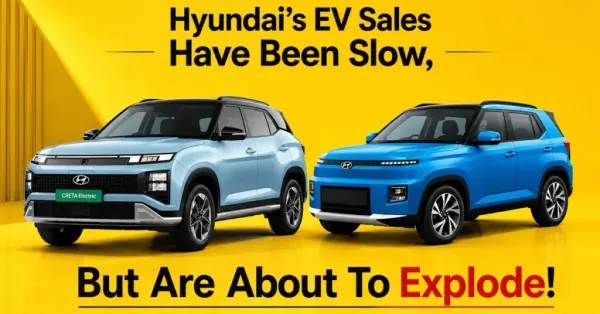
India’s electric car market almost doubled in July 2026. Retail sales rose 83 per cent year on year to about 32,900 units. Hyundai moved the other way. It sold just 565 electric cars, down 21 per cent from 719 units a year earlier, and its EV market share slipped to roughly 2 per cent from 4 per cent. That is striking because Hyundai is hardly struggling overall. It sold 54,210 cars in July, up 23 per cent, and the Creta remained its biggest seller. The problem is specifically electric.
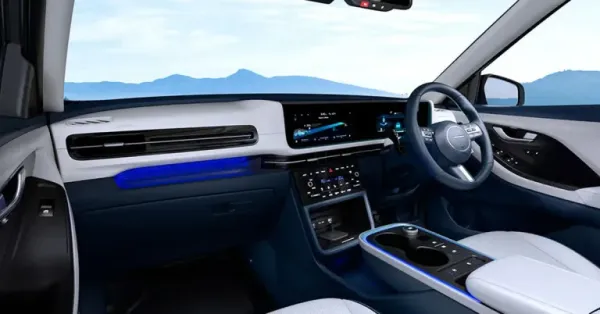
The Creta Electric is a very sorted product. Ride quality is comfortable, the driving position is easy to live with, ergonomics are familiar, performance is more than adequate and the cabin works well for everyday use. The issue is that the market around it has moved quickly.
The Creta Electric starts around Rs 18 lakh and stretches beyond Rs 24 lakh, while its 42 kWh and 51.4 kWh batteries offer claimed ranges of 390 km and 473 km. Those figures are usable, but newer rivals are offering more battery and more headline range at similar or lower money.
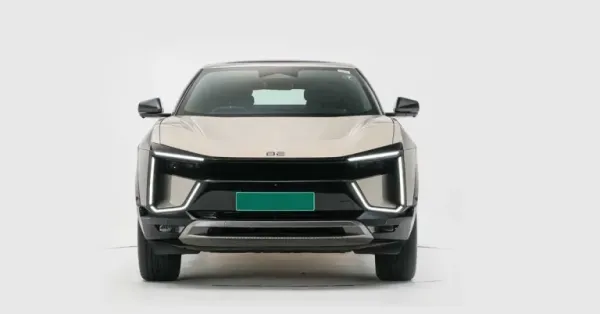
Mahindra’s BE 6, for example, offers 59 kWh and 79 kWh batteries, with the larger pack carrying a claimed range well above 600 km under the MIDC cycle. MG’s Windsor EV Pro offers a 52.9 kWh battery and a claimed 449 km range at a much lower price point.
The point is not that the Creta Electric lacks range for normal use. It is that its pricing was optimistic in a segment where buyers compare battery size, range and equipment very aggressively.
There is also a natural launch-cycle effect. Hyundai has a large base of Creta owners and brand loyalists, and the first wave of buyers most willing to pay for an electric Creta has probably already bought one. That can make later sales look softer unless the product gets fresh pricing, variants or features to pull in people who were not already Hyundai customers.
There is another perception problem. The Creta Electric itself is not literally at the end of its life cycle. The current Creta generation arrived in 2024 and the EV followed in 2025. But the design is now familiar, while newer EVs are arriving with sharper styling, larger screens, richer software, more dramatic cabins and born-electric proportions. In a fast-moving EV market, that familiarity can feel older than the calendar suggests.
Portfolio depth is the bigger problem. Hyundai effectively has one mass-market EV, the Creta Electric. The Ioniq 5 is a far more expensive product and cannot generate mainstream volumes. Tata sells EVs across multiple price points. Mahindra now has BE 6, XEV 9e and XEV 9S. MG spreads demand across the Comet, Windsor and ZS EV. Hyundai is trying to fight that breadth with one core model.
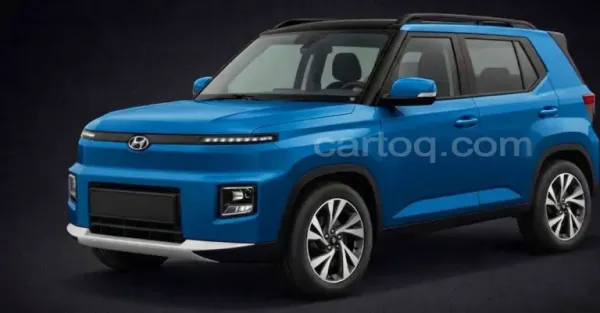
The fix is already being developed. Hyundai is expected to launch a heavily localised sub-4 metre electric SUV, internally known as HE1i, by the end of 2026. A smaller footprint should mean a lower entry price, and localisation gives Hyundai a better chance of controlling battery, component and ownership costs. If it lands at the right price, that car could give Hyundai the volume EV it currently lacks.
-
Elderly woman killed in Hyderabad’s Meerpet

-
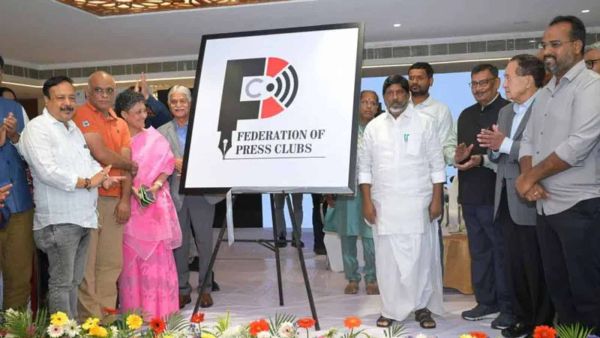
Need of the hour: Press clubs unite to defend press freedom
-
BCCI's Team India Title Sponsor Hunt Stalls Over Rs 4.85 Crore Base Price

-
Indus Water Treaty: Pakistan Minister Voices Fear, Says ‘India Could Weaponise Water’

-
Always use hair color for brown hair? Then mix 'this' substance while soaking the mehendi, the hair will get a natural shade