Lemons are a staple in almost every household kitchen. Whether it's for salads, making lemonade, enhancing the flavor of tea, or adding a tang to any vegetable or dish, lemons are used in many ways. However, people often complain that even after refrigeration, lemons begin to dry out within a few days. Their peel shrinks, the lemon feels hard, and when cut, the juice doesn't flow as much as before. The question then becomes how to keep lemons fresh and juicy for longer.
Keeping lemons fresh for a long time starts at the time of purchase. Choose lemons that are bright yellow, firm to the touch, and have a peel that isn't too wrinkled. Lemons that are too soft, sunken, or wrinkled can dry out quickly. After purchasing fresh, healthy lemons, it's also important to store them properly.
The Right Way To Store It In The Fridge
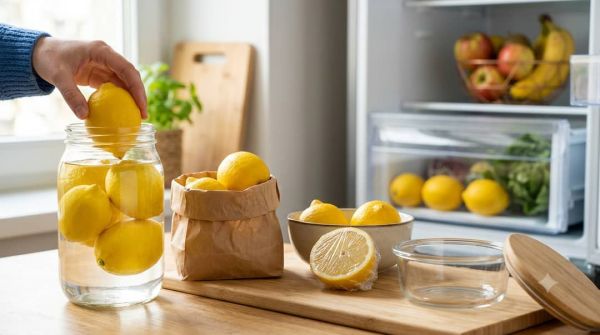
The refrigerator can be a good option for keeping ripe lemons fresh for a long time. However, simply storing them in the refrigerator isn't always beneficial. They can be stored in the refrigerator's vegetable or crisper drawer. This section is designed to preserve fruits and vegetables for extended periods. Lemons can be stored separately in the crisper drawer. If your refrigerator has humidity and air control, a low-humidity environment may be best for lemons. Stored under the right conditions, lemons can stay fresh for several weeks.
Allow Air Circulation But Protect From Moisture
When storing lemons, people often put them in plastic bags and seal them tightly. However, this can trap moisture inside, increasing the risk of lemons spoiling faster. Paper bags or reusable mesh bags can be used instead.
Such bags allow for air circulation, preventing excessive moisture from accumulating around the lemons. However, lemons should not be stored in a very open, dry area for extended periods of time, as exposure to excessive air can cause them to gradually lose their moisture and begin to dry out.
How To Store It In Water
Some people store whole lemons in a jar filled with water in the refrigerator. This method keeps the lemons submerged in the water, preventing the peel from drying out. However, it's important to keep the water clean. Dirt or bacteria on the lemon's outer surface can get into the water. If you use this method, be sure to thoroughly clean the lemons before storing them, and ensure the water and jar are clean. This method can help keep the lemons fresh for a longer period of time.
Keep Lemons Away From Other Fruits
Where lemons are stored in the refrigerator also matters. Some fruits and vegetables, such as bananas, apples, tomatoes, melons, and avocados, release ethylene gas. This gas can accelerate the ripening and spoilage of nearby fruits and vegetables. Lemons can also be sensitive to this gas, so avoid storing them near such fruits and vegetables. Storing them separately can help keep lemons in better condition for longer.
Keep The Cut Lemon Like This
Whole lemons are easy to store, but halved or sliced lemons can dry out quickly. If half a lemon is left over after a recipe, avoid leaving the cut side exposed. Cover the cut side tightly with plastic wrap and store it in an airtight container in the refrigerator. This will prevent the exposed surface of the lemon from being exposed to air and prevent it from drying out quickly. It's best to use cut lemons quickly rather than storing them for several days.
-
Anti-reservation protesters to meet Union minister: UP dy CM; SP says reservation PDA's right

-
ICG deploys ships for search-and-rescue operation after Panama-flagged vessel sinks

-
TV actor Mohsin Khan gets engaged, meet his bride

-
Kazakhstan's Post-Election Future: Russia, EU Or China?

-
Women Not To Blame For Violence, Discrimination They Face: Omar Abdullah