Automobile Desk: A huge step has been taken regarding the safety of electric vehicles in China's automobile market. Following the tough stance of China's market regulator (SAMR), big companies like Tesla, Xiaomi, Leapmotor and Xpeng have together announced the recall of more than 40 lakh electric vehicles from the market. The biggest reason in this entire matter is the design of 'hidden' i.e. flush door handles found in these vehicles and their electronic control system, which can become a threat to people's lives in case of serious accidents.
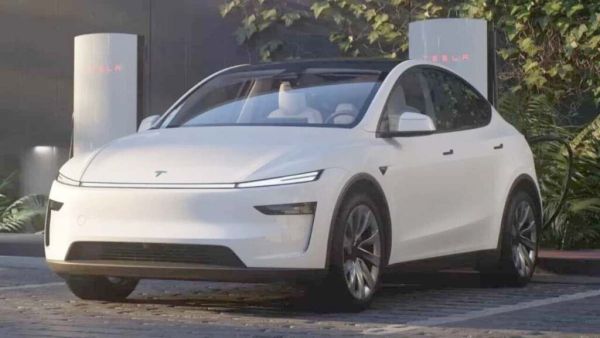
The biggest impact has been on American EV manufacturer Tesla. Tesla is recalling a total of about 29.8 lakh vehicles made in China and imported from outside. These include the company's most popular models—Model 3, Model Y, Model S and Model X. After Tesla, Xiaomi, which entered the auto sector through smartphones, has also decided to recall more than 3.9 lakh of its cars. Apart from this, 3.7 lakh vehicles of Leapmotor and many models of Geely and XPENG are part of this recall process.
In fact, modern electric vehicles are provided with flush door handles that remain level with the body to give the car a sporty look and to reduce air pressure (to increase aerodynamics). These handles usually come out only when there is an electronic signal or when the key is nearby. Chinese officials and safety experts believe that when a high-speed vehicle meets with an accident, the first thing that happens is its main 12V power supply or main battery is cut off. As soon as the power supply stops, the electronic systems of the doors stop working.
In such an emergency situation, the passengers trapped inside the car are neither able to open the door from inside nor is the rescue team from outside able to pull them out immediately by pulling the handle. In many accidents recorded in the past, it was seen that people lost their lives due to the car catching fire or being filled with smoke due to the doors not opening. In view of this serious risk, the Chinese authority has adopted a tough stance.
Tesla has clarified that it will improve the response and safety algorithms of the door handle through an 'over-the-air' (OTA) software update instead of physically calling the vehicles to the workshop. This software update will make the mechanical unlock mechanism more effective even in case of power cut.
The Chinese government is now preparing to completely crack down on such 'pop-out' and electronic doors. New safety standards coming into effect next year plan to ban complex door handle designs that do not have an easy mechanical option to open the door without electricity. Market experts say that this development is a lesson for the EV industry across the world that basic passenger safety cannot be compromised in the name of attractive design and cutting-edge technology.