It has long felt odd that FIFA is prepared to use the World Cup as a testing ground for changes to the Laws of the Game.
Football’s biggest competition is protected fiercely, increasingly so as the governing body’s own branding has been pushed to the forefront, and yet every significant trial and adjustment is tested live at the very top of the sport.
It may be odd, but it also surely points to the strangely low value FIFA’s senior decision-makers place on their own showpiece tournament.
FIFA is the most influential voice within IFAB, football’s law-making body. So when new laws and revisions are introduced at the World Cup, that is a deliberate decision.
Not every change is rolled out at football’s global centrepiece. That distinction is reserved for those parts of the Laws of the Game through which FIFA wants to send a message around a particular issue.
World Cup 2026 became the World Cup of FIFA’s misguided campaign against time-wasting, admirable in intention but poorly executed in practice. Supporters in non-league football rightly object when rule changes are tested in the matches that matter to them, but FIFA’s willingness to swing to the opposite extreme is no coincidence.
In the end, FIFA was playing to the crowd. Supporters have always detested time-wasting, and measures to combat it were hurried through on the biggest stage possible.
Applying a five-second rule for goal kicks and throw-ins is, for a start, likely to create chaos. Just wait and see.
Still, these additions to the Laws of the Game are aimed at an aspect of football that genuinely frustrates supporters. Many people dislike time-wasting and overly choreographed set pieces, and the sport has tried to reduce that irritation.
There is another part of the game that fans find exasperating. Tactical fouls can be sly and run directly against the spirit of football. Not every supporter wants to watch teams trying to squeeze out tiny gains by whatever means they can.
Professional fouls, time-wasting, diving and stoppages for injuries can all be grouped under the kind of tactical offending that interrupts what is fluid and enjoyable about football.
That is the negative side. The positive side is that it also creates an opportunity.
For all the obvious grandstanding built into FIFA’s World Cup laboratory for message-driven rule changes, the latest villain of the moment was at least an issue that required attention.
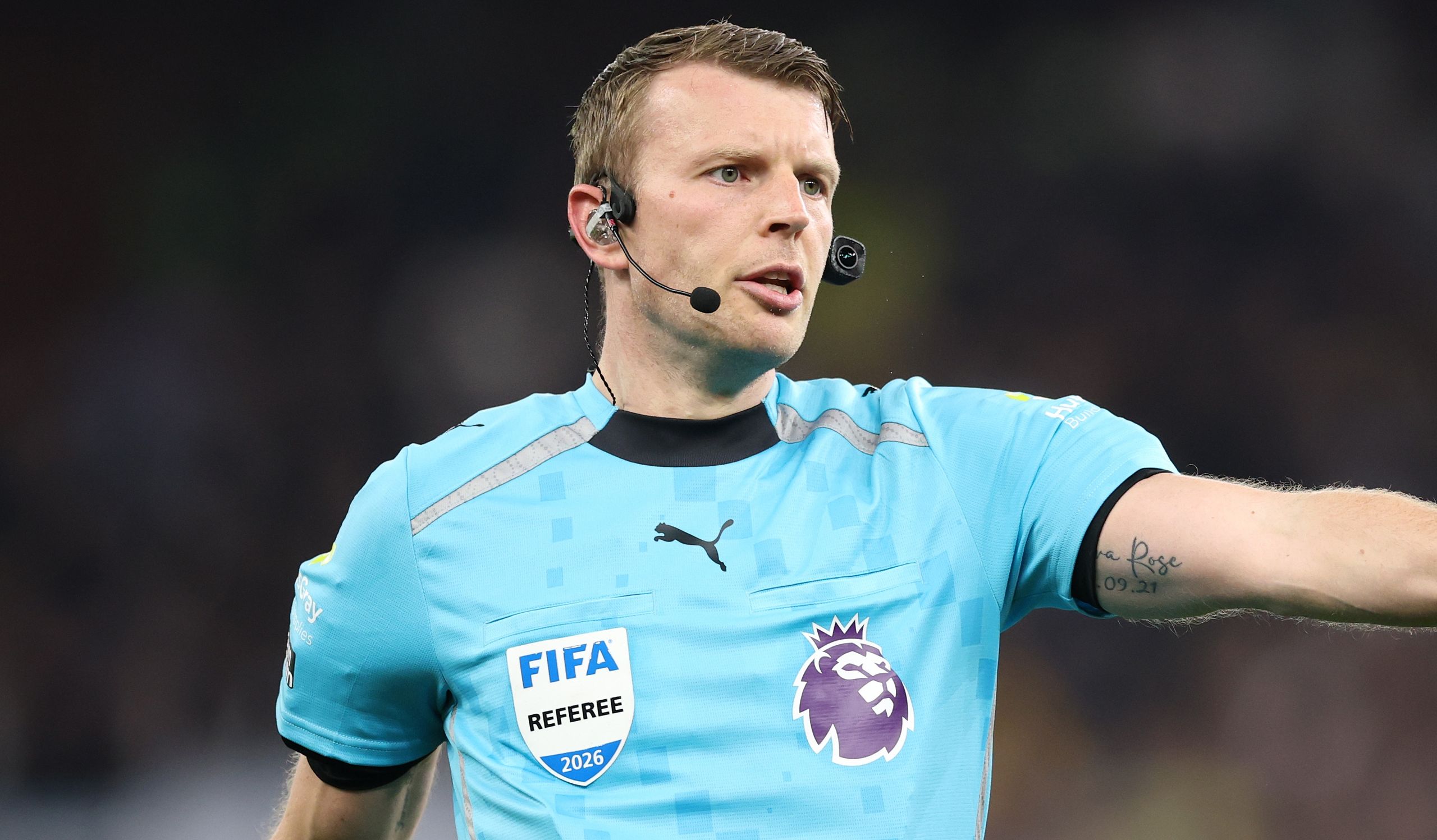
With a new Premier League season beginning, its referees would be wise to adopt the spirit of that approach.
Referees are an easy target. The abuse they receive is bad enough on its own, but the real bitterness lies in the fact that so many supporters can say with a straight face that the officials have brought it on themselves.
For all that the Premier League referee has been turned into a kind of modern folk devil, the small portion of blame they do carry comes from a reluctance to use the tools already available to them.
Referees do not need extra powers to deal with cynical fouls, time-wasting and diving before they first use the powers they already possess and prove those to be insufficient.
Surely the Laws of the Game cover these issues far more effectively than the freedom usually seen in the average Premier League match would suggest.
Take dissent as an example. Most supporters would rather players did not spend 90 minutes questioning the officials at every opportunity. It is one of the rare areas where fans tend to side with referees.
Most fans have a clear understanding of where the boundary lies, yet it is crossed repeatedly without consequence.
If there has ever been a moment for Premier League referees to win more backing from supporters by clamping down on the things that irritate both sides, this season is that moment.
The abbreviated name of Professional Game Match Officials Limited has been turned by Football Twitter into shorthand for some shadowy conspiracy, beyond the obvious structural advantages enjoyed by the richest clubs.
PGMOL has been rebranded as Pro Ref, but any meaningful shift can happen only on the pitch.
Draining one or two boils caused by tactical offending would do far more than simply changing the organisation’s name. Then again, in some corners any improvement would probably just be put down to Anthony Taylor’s retirement.
-
Will Cristiano Ronaldo retire after hitting 1,000 goals? Former Manchester United team-mate of Portuguese great says the end is ‘nearing’ for Al-Nassr superstar
-
Liverpool move closer on Yankuba Minteh as improved third bid is lined up, with asking price emerging

-
History is stacked against Ipswich Town in their bid to avoid yo-yo status, but here is why they can break the pattern

-
Jeffrey Campbell divides internet with new ‘rage bait’ barefoot heel shoe

-
Blake Lively wows fans with whimsical ‘chaos candy cake’