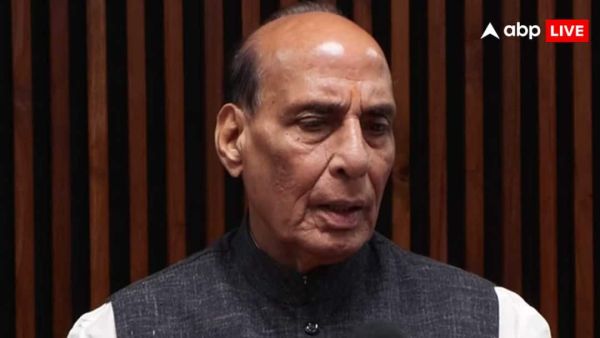
Defence Minister Rajnath Singh has approved the transfer of technology for all conventional missile systems developed by the Defence Research and Development Organisation (DRDO) to Indian defence companies for domestic production, the Ministry of Defence said on Tuesday.
The move is aimed at speeding up indigenous missile manufacturing, reducing India's reliance on imports and increasing the participation of domestic companies, including micro, small and medium enterprises (MSMEs), in the defence supply chain.
Under the decision, eligible Indian industries will be able to manufacture DRDO-developed conventional missile systems, subject to applicable qualifications, certifications and regulatory requirements, the ministry said.
The defence ministry had opened the development and manufacturing of missiles, artillery shells, ammunition and ordnance to the private sector, HT reported earlier.
Push For Aatmanirbhar Bharat In Defence
The technology-transfer decision is being viewed as a significant step in the government's Aatmanirbhar Bharat push in defence.
According to the ministry, the move will help take missile systems from the development stage to industrial-scale production while strengthening India's domestic defence industrial base.
"The objective is to enhance domestic manufacturing capabilities, strengthen the defence industrial base and create opportunities for the participation of Indian MSMEs and other technology partners in the supply chain," the ministry said.
The initiative comes as missile capabilities are increasingly being integrated with wider surveillance, communications and precision-strike networks in India's neighbourhood.
Pakistan's Expanding Space Capabilities In Focus
A July analysis by the Centre for Aerospace Power and Strategic Studies (CAPSS) highlighted the rapid expansion of Pakistan's space capabilities, particularly through its cooperation with China.
The analysis said Pakistan's Space & Upper Atmosphere Research Commission (SUPARCO) had launched six satellites in 16 months after decades of relatively slow progress. It also said Pakistan was seeking to strengthen its autonomous space-based surveillance capabilities and integrate satellite intelligence with terrestrial communication systems.
The CAPSS analysis said the expansion of Pakistan's space capabilities could have implications for India's defence strategy as satellite-based intelligence, navigation and communications become increasingly important to modern military operations.
It also highlighted China's role in supporting Pakistan's satellite launches, technology development and astronaut training.
Against this backdrop, expanding India's domestic capacity to manufacture missile systems could strengthen the country's ability to sustain and scale up critical weapons production without depending as heavily on overseas suppliers.
DRDO To Work With Indian Industry
The Defence Ministry said the latest technology-transfer initiative would increase domestic value addition and support the growth of India's defence manufacturing sector.
"DRDO remains committed to working closely with Indian industry to facilitate the transfer and absorption of advanced defence technologies and to further strengthen the country's indigenous defence capabilities," it said.
The approval is part of a broader effort to increase private-sector participation in India's defence ecosystem.
India recorded its highest-ever defence production of Rs 1.54 lakh crore in 2024-25, while defence exports reached a record Rs 23,622 crore, according to government data.
The government has set a target of increasing domestic defence production to Rs 1.75 lakh crore in the current fiscal year and Rs 3 lakh crore by 2029.
-
Israeli restrictions push Gaza aid to ‘breaking point’, UN told

-
Anti-conversion law: Maharashtra churches seek prayer consent forms

-
Pilot, instructor killed in training aircraft crash in UP

-
SC to hear plea on cash donations received by political parties

-
Ex-DRDO chief among 31 Hyderabad pilgrims stranded in Nepal