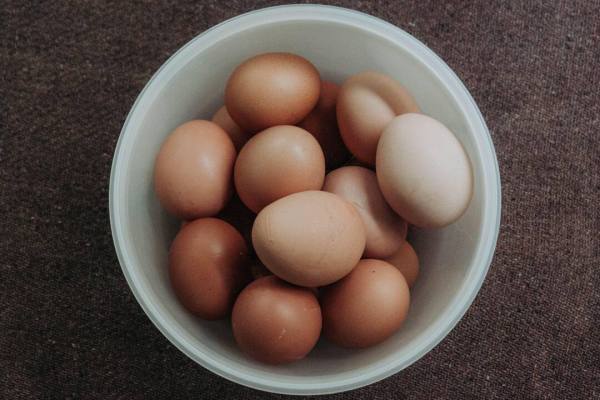
Eggs are a staple in most kitchens. They can be boiled, fried, scrambled or used in baking. But occasionally, you may notice a small crack in the shell after taking an egg out of the refrigerator. This can raise two questions: Why did the shell crack despite being refrigerated, and is the egg still safe to eat? A cracked eggshell should not be ignored. Damage to the shell can provide an opportunity for bacteria to enter the egg. From checking eggs while buying them to storing them correctly at home, a few simple precautions can help reduce the risk.
Why Do Eggshells Crack In The Fridge?
Although eggshells look sturdy, they contain thousands of microscopic pores. Sudden temperature changes, pressure and improper handling can weaken or crack the shell. Moving eggs repeatedly between warm and cold environments can also contribute to cracking. The refrigerator door experiences greater temperature fluctuations because it is opened frequently, which is another reason eggs are better stored on an interior shelf rather than in the door tray.
Where Should You Store Eggs?
The main shelf of the refrigerator is generally a better location for eggs than the refrigerator door. Keep eggs in their original carton, which helps protect them from knocks and prevents them from absorbing strong odours from other foods. The USDA recommends keeping eggs in their cartons on a refrigerator shelf rather than storing them in the door. A cooler, more stable section of the refrigerator helps maintain a consistent temperature.
Check Eggs Before Buying Them
Eggs can sometimes develop tiny cracks before they even reach your refrigerator. Rough handling during transportation, pressure on the carton or placing heavy items on top can damage the shells. Check eggs carefully when purchasing them and avoid buying any with cracked or broken shells. The USDA also advises consumers not to purchase cracked eggs.
A Hairline Crack And A Broken Shell Are Not The Same
The severity of the crack matters. A very fine hairline crack may look different from a shell that is visibly broken and allowing the egg white or yolk to leak out. If the shell is cracked and the contents are leaking, discard the egg rather than trying to use it.
Can You Eat A Slightly Cracked Egg?
Extra caution is needed if an egg develops a small crack while being stored. If there is no leakage, it is better to use the egg promptly rather than keeping it for an extended period. Such an egg should be cooked thoroughly, with both the white and yolk fully cooked. Avoid using a cracked egg in recipes that contain raw or undercooked egg.
When Should You Throw The Egg Away?
Do not use an egg if it has an unpleasant or unusual smell after cracking it open. You should also discard it if the egg white or yolk looks abnormal or has an unusual appearance. Never taste an egg to determine whether it has spoiled. When you are unsure about its safety, discarding it is the safer option.
How To Prevent Eggs From Cracking
A few simple storage habits can help protect eggs:
- Keep eggs in their original carton.
- Store them on an interior refrigerator shelf.
- Avoid keeping heavy items on top of the carton.
- Handle eggs gently when taking them out.
- Avoid repeatedly moving eggs between different temperatures.
- Check eggs for cracks before purchasing them.
- Separate any visibly damaged egg from the rest.
Proper storage and careful handling can help prevent unnecessary cracks while keeping eggs fresher and safer to consume.
-
Dutch Grand Prix Highlighted Why Lando Norris Is World Champion. Can He Push for Another F1 Title?

-
Shawn Mendes stars in Gucci’s new Primavera campaign

-
Amid rising sugar prices, save sweet items at home, know the right way of storage.

-
Life Gets A Lot Easier For 3 Chinese Zodiac Signs From August 31 – September 6, 2026

-
Southeast Asia’s second richest country welcomes 400,000 tourists in first half