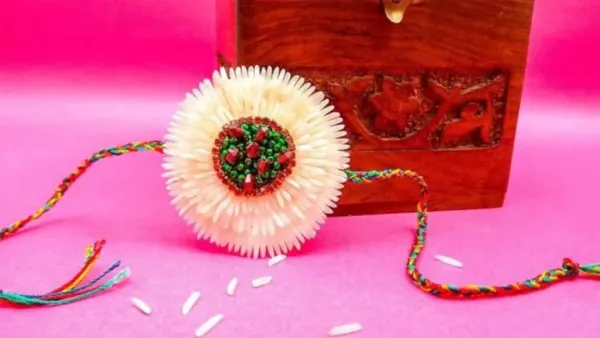
DIY Eco-Friendly Rakhi: The tradition of tying Rakhi on brother’s wrist on Rakshabandhan can be linked to environmental protection this time. Instead of Rakhis made of plastic and nylon available in the market, eco-friendly Rakhis can be easily prepared from natural materials available at home.
DIY Eco-Friendly Rakhi
DIY Eco-Friendly Rakhi: The tradition of tying Rakhi on brother’s wrist on Rakshabandhan can be linked to environmental protection this time. Instead of Rakhis made of plastic and nylon available in the market, eco-friendly Rakhis can be easily prepared from natural materials available at home. This is not only a better choice for the environment, but can also be an interesting creative activity for kids and the family.
5 things required to make Rakhi
- molly or cotton thread
Mauli or thick cotton thread used in puja can be used to make the base of Rakhi. Prepare a strong rope by braiding several threads. - vegetable or flower seeds
Basil, sunflower, tomato or marigold seeds can be planted in the middle of Rakhi. After Rakshabandhan, a plant can be grown by sowing this Rakhi in the soil. - Kitchen Spices and Grains
For decoration, instead of plastic beads, use whole rice, cloves, cardamom, black pepper and mustard seeds. These are natural and easily available ingredients. - paper or cardboard
Old wedding cards, cardboard or paper can be used to make the middle base of the Rakhi. With this, there will be no need for plastic or foam base. - turmeric and kumkum
To give color to Rakhi, use turmeric and kumkum instead of artificial colors. Yellow color can be prepared from turmeric and red color can be prepared from kumkum.
How to make eco-friendly Rakhi
First of all, cut a small round piece from cardboard or old card. Apply natural glue on it and stick rice and seeds colored with turmeric or kumkum. Decorate the edges with cloves, cardamom or mustard seeds. After the decoration dries, stick or sew it well in between the prepared molly or cotton thread. In this way, natural and plantable Rakhi will be prepared easily at home.
-
Power Rankings: Chicago Fire, St. Louis CITY stretch unbeaten streaks

-
Nepal flash floods kill 4, at least 105 Indians missing

-
Trump pauses US immigrant visa appointments worldwide

-
Reduced to memes, reels: BJP on Rahul’s smash patriarchy remark

-
Bengaluru traffic cops let citizens experience traffic duty