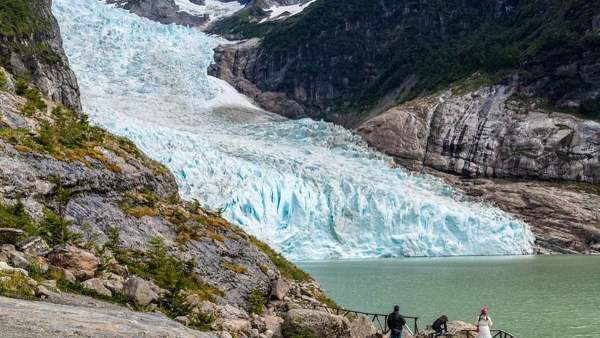
Scientific assessments by ICIMOD and Nepal’s government have identified 47 potentially dangerous glacial lakes, including 21 in Nepal and 25 in Tibet. Rapidly expanding lakes such as Tsho Rolpa, Imja Tsho and Thulagi pose major GLOF risks to downstream communities, hydropower projects and infrastructure across vulnerable districts in eastern, central and western Nepal.
Kathmandu: Scientific assessments by the International Centre for Integrated Mountain Development (ICIMOD) and the Government of Nepal have classified 47 glacial lakes as Potentially Dangerous Glacial Lakes (PDGLs), warning that they could trigger catastrophic glacial lake outburst floods (GLOFs) into Nepal’s river systems.
Of these, 21 lakes are located in Nepal, while 25 are transboundary lakes in Tibet. These lakes are situated directly at the headwaters of rivers that flow southwards into Nepal, creating a potential threat to downstream communities and infrastructure.
Within this wider inventory, disaster management authorities and the United Nations Development Programme (UNDP) have identified a critical group of rapidly expanding, moraine-dammed lakes for urgent risk-reduction and lake-lowering interventions.
The most notable among them are Lower Barun (Tallopokhari), Thulagi (Dona), Lumding Tsho, Hongu 2 / Chamlang South, Tsho Rolpa and Imja Tsho.
-
Venezia sign free agent Juan Jesus

-
Matt Grimes on growing as a leader at Coventry City: ‘If we’re having a stinker, I’m not going to scream and shout at the lads. Those days are gone’

-
Tottenham: Roberto De Zerbi explains Savio absence after new signing is left out of Newcastle clash

-
Manchester United clear Jayce Fitzgerald’s loan move to Rotherham United

-
Has the number of mice increased in the house? There's no need to kill, 'he' 5 fancy measures; Mice will run away from home on their own