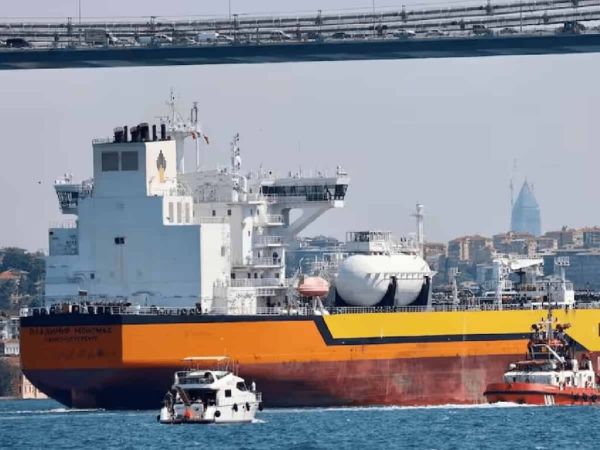
In a remarkable twist in global energy dynamics, Russia—traditionally one of the world’s largest petroleum producers and refiners—has been forced to look outward for fuel imports. Following sustained disruptions to its domestic refining infrastructure caused by ongoing drone attacks in Ukraine, Moscow has turned to its long-standing partner, India, to secure vital petrol supplies to meet domestic demands.
The Impact of Drone Attacks and Refinery Pressures
Russia’s refining sector has come under severe strain due to a combination of factors, including targeted drone strikes on domestic refineries, seasonal spikes in summer fuel demand, routine maintenance, and transport bottlenecks. These challenges have severely impacted the domestic supply of gasoline across various regions, with reports indicating that several Russian petrol stations have had to limit fuel sales per vehicle.
While Russia remains in a relatively stable position regarding diesel—historically producing a surplus above domestic needs—its petrol balance is notoriously tight. Even though Moscow has instituted restrictions on diesel exports to build up winter reserves, gasoline shortfalls have made international procurement necessary.
India’s Growing Role: From Crude Buyer to Petrol Supplier
For the past four years, India has stood firmly as one of the world’s top buyers of discounted Russian crude oil, helping absorb supplies following Western sanctions on traditional European markets. However, the energy trade has now taken a fascinating circular turn.
According to vessel-tracking data from commodity market analytics firm Kpler, India shipped approximately 12,000 barrels of petrol per day to Russia in June, a figure that surged to roughly 21,000 barrels per day in July. Combined, India exported nearly 1 million barrels of petrol to Russia over those two months, with additional undisclosed shipments potentially moving via ship-to-ship transfers.
Nayara Energy and the Refined Crude Loop
A significant portion of this fuel export is being driven by Nayara Energy’s Vadinar refinery in India, in which Russia holds a financial stake. Ironically, much of the petrol being shipped back to Moscow is produced from the very same Russian crude oil that was imported into India, processed, and refined.
Industry experts note that under normal conditions, Russian refineries produce just enough petrol for domestic consumption with little export surplus. With domestic output disrupted, India has emerged not only as a massive consumer of Russian crude but also as a critical lifeline for finished petrol, cementing a profound evolution in India-Russia energy relations.
-
Rapido app is down! Users are worried, there is a big problem in booking!

-
Hockey World Cup: Indian Women Thump Germany 3-1 To Finish Fifth, Their Best Since 1974

-
UEFA Prepares Swiss Criminal Complaint Against FIFA President Infantino

-
Netherlands announce strong squad for Scotland tour. Read

-
Goretzka joins Aston Villa from Bayern Munich on a free transfer