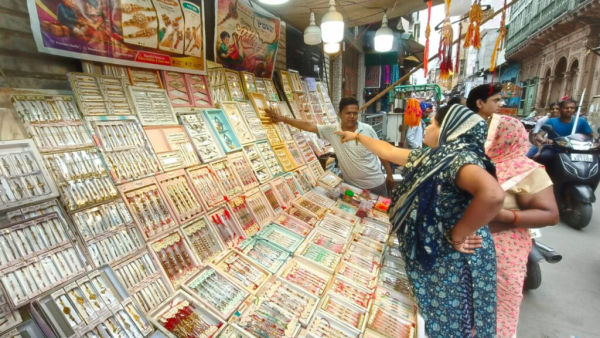
Mathura: Rakshabandhan, celebrated on the full moon day of Sawan, is included in those festivals of Indian culture, in which the feeling of brother-sister affection, trust and protection of each other is associated. Times changed, lifestyle changed and the ways of celebrating the festival also modernized, but the spirit of Rakhi still remains the same. The only difference is that earlier the festival of Rakhi was celebrated with simplicity among family and relationships, now the colors of market, social media and modern lifestyle have also started appearing in it.
How did Rakshabandhan start?
There are many stories prevalent in Indian tradition regarding the beginning of Rakshabandhan. The most famous story is to Lord Krishna and Draupadi. It is believed that once when Shri Krishna's finger got injured, Draupadi tore the cloth of her saree and tied it on his finger. Shri Krishna gave Draupadi the status of sister and promised to protect her. This story to the protection of Draupadi in Mahabharata is linked to the feeling of affection and protection between brother and sister.
Another religious belief is also to King Bali and Mother Lakshmi. It is believed that when Lord Vishnu started living at the place of King Bali, Goddess Lakshmi tied Rakhi to Bali and made him her brother and took Lord Vishnu back. Although there are different traditions in history and religious scriptures regarding the origin of Rakshabandhan, it is not appropriate to consider any one story as its definite historical beginning.
How was Rakhi earlier?
In ancient times, the form of Rakshabandhan was very simple. Sisters used to prepare Rakhi at home using cotton or ordinary thread. Roli, Akshat, lamp and sweets were decorated in the plate and Rakhi was tied on the brother's wrist. In return, the brother would give gifts to his sister and take a pledge to protect and respect her. In joint families, this festival was an opportunity to further strengthen relationships. In many places, sisters used to send Rakhi through post to brothers living far away.
What changed in modern times?
Today the form of Rakshabandhan has changed a lot. Silver, pearl, cartoon character, Rudraksha, designer and personalized name Rakhis are available in the market. Online shopping has also given a new look to the festival. Now sisters can send Rakhi online to their brother living in another city or abroad. The ritual of tying Rakhi can also be seen through video call.
Earlier, clothes, sweets or household items were given as gifts, whereas now mobiles, watches, gadgets, jewelery and even online gift vouchers are in trend. Social media has also given a new platform to Rakshabandhan. Brother and sister celebrate this relationship by sharing their photos and wishes.
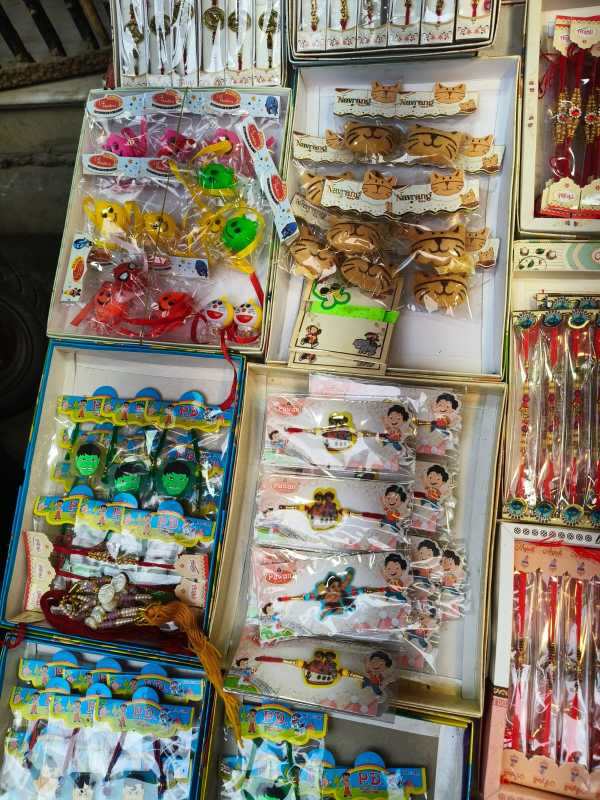
However, despite modernity, the basic message of Rakshabandhan has not changed. Even today Rakhi is not just a thread tied on the wrist, but a symbol of trust, love, respect and relationship. This is the reason why the age-old tradition is still alive with the same intimacy among the new generation.
-
Alpine confirms Franco Colapinto for 2027, pointing to a quieter-than-usual Formula 1 silly season
-
Honda May Build Body-on-Frame Pick-ups and SUVs Linked to the 2029 Nissan Xterra

-
Bigg Boss 20 gets 2 more names; total 14 contestants in the list

-
Hyderabad woman techie goes missing in Nepal floods
-
Death toll from Nepal-Tibet flash flood climbs to 469