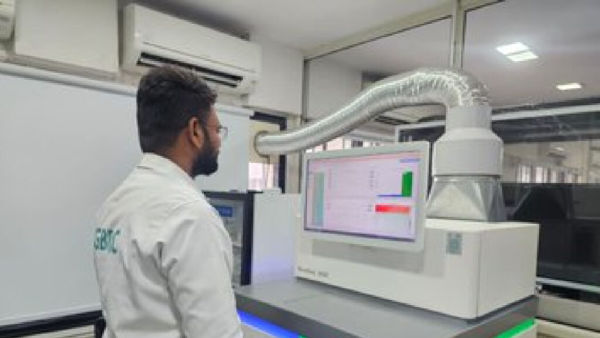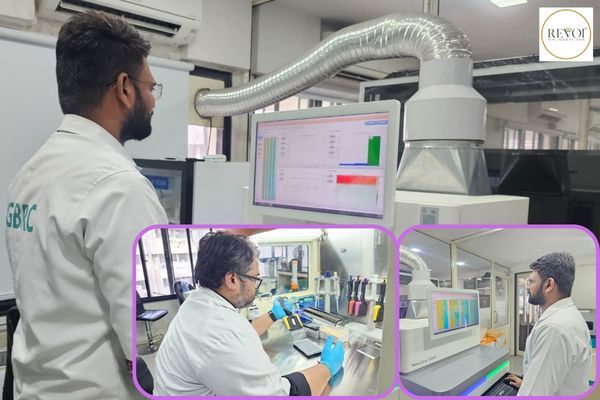
- Start of taking samples to study the DNA of sportspersons
- Under this programme, Gujarat Athlete Genome Database (G-AGD) will be prepared. Information to genetic, physical and sports performance will be collected in this database.
Gandhinagar, August 28, 2026: Gujarat has started Sports Genomics Program as an initiative to add a new dimension of science in the development of athletes. The objective of this program is to understand the genetic, physical and sports performance characteristics of the state athletes. Through this, an evidence-based approach has been adopted in sports science, identification of athletes and high-performance training in the country.
Initiative of Gujarat Biotechnology Research Center
Gujarat Science and Technology Minister Shri Arjun ModhwadiaIt said, “This initiative has been taken up by the Gujarat Biotechnology Research Center (GBRC) under the Department of Science and Technology. It aims to develop a more scientific and evidence-based approach to sports talent by linking genomics with sports science, physiology and nutrition science. Gujarat has become the first state in India to launch a sports genomics programme,” it said.
Samples of tennis players were taken
“GBRC scientists have started collecting samples of athletes participating in various sports. In the first phase, samples of tennis players of Gujarat State Tennis Association (GSTA) have been taken. Under this programme, in the next phase, samples of archery, fencing, judo and shooting athletes of Vijayi Bharat Foundation will be collected. The target is to collect a total of 2,000 samples this year and analyze them” said Mr. Arjun Modhwadia. Additionally said.
Gujarat in the year 2030 commonwealth gamesWhen preparations are made to host the event, the importance of this initiative increases exponentially. Preparing the profile of athletes scientifically can help in identification and preparation of players who can compete at national and international level.
Sports genomics is an emerging field that studies the relationship between genetic variations and the characteristics of athletes. It includes aspects such as muscle composition, endurance, metabolism, the body's response to exercise, recovery and susceptibility to injury.
However, this program takes into account that sports performance is not based solely on genetics. Training, coaching, nutrition, infrastructure, social support and other environmental factors also play an important role in the development of an athlete.
Sports genomics is different from traditional talent identification
Secretary, Department of Science and Technology, Shri P. Bharthi said, “Traditionally, sporting talent is identified based on physical parameters, coaching evaluations and performance during trials. Gujarat's proposed model attempts to add genetic and biological information to this process, so that a more comprehensive profile of the athlete can be created.”
P. Bharthi added, “The program proposes to study aspects such as power, endurance, injury risk and response to exercise as well as nutrigenomics, lifestyle genomics, personality traits and circadian rhythms.”
Whole-genome sequencing and analysis of 2,000 samples per year
Digvijay Singh Jadeja, Mission Director, Gujarat State Biotechnology Mission, said, “Whole-genome sequencing of talented athletes will be a major part of this program. The target is to collect 10,000 samples in the next five years. There is a plan to screen leading athletes from various sports disciplines. Whole-genome sequencing and analysis of about 2,000 samples will be done every year.”
Sports like athletics, swimming, boxing, wrestling, judo, taekwondo, gymnastics and fencing have been included under this scheme. Apart from team and ball based games like football, hockey, handball, volleyball and basketball, badminton, table tennis, lawn tennis, kabaddi and kho-kho are also included.
Accuracy and skill based games like archery, shooting and chess are also part of this comprehensive scheme.
The plan is to cover athletes of different age groups. It includes players under 14 years of age, 14 to 18 years of age and above 18 years of age. State and national champion players have been given priority, which will provide an opportunity to study the genetic and physical characteristics of athletes performing at high levels.
Creation of Gujarat Athlete Genome Database
An important outcome of this initiative will be the proposed Gujarat Athlete Genome Database (G-AGD). Genetic, physical and sports performance information will be integrated in this database, which can become a long-term scientific resource for future profiling and research of athletes.
The program also aims to develop personalized training and nutrition strategies based on genomic information. Athletes may respond differently to exercise, training load, recovery and nutrition. Therefore, linking physiological and performance- data with genetic information may help in designing more personalized athlete development programs.
Possible consequences of genomics
Proposed outcomes of this initiative include genetic profiling, evidence-based talent identification, injury risk assessment, improved recovery strategies, and personalized training and nutrition programs. There is also the possibility of developing genotype-based performance prediction models through bioinformatics analysis.
However, according to scientists associated with this project, the program does not mean that any one “sports gene” can determine the success of an athlete. Sports performance is a complex trait that is influenced by many genetic and environmental factors. Therefore, this initiative aims to use genetics as a component of the comprehensive assessment of an athlete.
It also has a broader objective to develop Gujarat as a “Sports Biotechnology Innovation Hub” by linking the biotechnology capabilities of the state with sports science and development of high-level athletes in order to create a Sports Biotechnology Hub.
GBRC already has the scientific infrastructure required for sample processing, sequencing and data analysis. These include platforms such as NovaSeq 6000, GridION and PromethION, Illumina iScan for genotyping, Illumina DRAGEN and high-performance computing facilities.
Privacy and ethics protections
Since genetic information is extremely sensitive, its secure storage, controlled access and responsible use is essential. In the proposed program, arrangements have been made to protect the identity of the athletes through a two-level barcoding system. As the program moves forward, it will be important to ensure informed consent of athletes, data security and clear governance mechanisms.
-
Breastfeeding: Breastfeeding after C Section, Easy Tips to Get Started

-
Even if the phone falls, don't stress! Realme's cheap 4G phone with a strong body enters the market; Know everything from features to price

-
EFL Cup 2026-27 — Savio nets on debut as Tottenham cruises past Charlton

-
Asian Games 2026 Cricket: ‘Tented Dressing Rooms, Washrooms 500m Away’ — Jasprit Bumrah, Shreyas Iyer May Miss as BCCI Consider ‘B’ Team India

-
Genome Sequencing to Create World Champions; 5 Year Master Plan of Gujarat Govt