India's inflation outlook is critically dependent on September's monsoon, a Union Bank report warns. A rainfall deficit and El Nino could drive FY27 CPI inflation to 5.5% or higher, impacting crop yields and rural demand despite sowing recovery.
India's inflation outlook will hinge critically on rainfall in September, with a further shortfall in the final month of the southwest monsoon potentially pushing FY27 consumer price inflation to 5.5 per cent or higher if El Nino conditions are confirmed, according to a Union Bank of India report.
Monsoon's Impact on Agriculture
The bank's research report said the monsoon remained 13 per cent below the long-period average as of Thursday, despite a recovery in kharif sowing. It said September rainfall will be crucial for crop yields, soil moisture and water availability for the upcoming rabi season. "India's inflation outlook now hinges critically on the late-season monsoon performance," the report said.
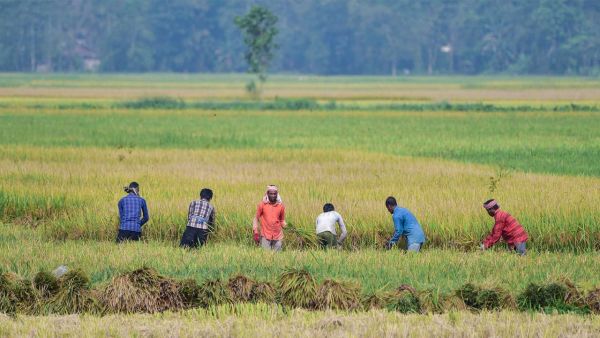
Kharif sowing has recovered significantly from the shortfall seen earlier in the season and was only 1.5 per cent below last year's level as of August 21, compared with a 16 per cent deficit in mid-July. Sowing covered about 105.7 million hectares, against 107.3 million hectares a year earlier.
However, the report cautioned that sowing progress alone does not determine the final agricultural outcome. Continued rainfall shortages during crop growth and maturity could affect yields, particularly in rain-fed regions, while lower soil moisture could also affect the rabi crop.
Regional Deficits and Reservoir Levels
The rainfall deficit remains uneven across regions. The north-western region was 10 per cent below normal and the southern region 22 per cent below normal, while the eastern and north-eastern region faced a 27 per cent deficit. At the state level, Andhra Pradesh and Bihar recorded deficits of 40 per cent and 42 per cent, respectively, as of Thursday.
Reservoir levels provide some cushion, with the 176 reservoirs monitored by the Central Water Commission holding about 117 billion cubic metres, or 64 per cent of live storage capacity, as of August 20. However, this was about 18 per cent below last year's level, with northern and southern regions still significantly behind last year's storage.
Inflation Projections and Economic Risks
Union Bank maintained its FY27 CPI inflation projection at 5 per cent, assuming crude oil stabilises around USD 90 per barrel. However, it said a confirmed El Nino could push food inflation higher and take its CPI projection to 5.5 per cent or above.
The report also said the inflation impact of weak rainfall is likely to emerge gradually, particularly during the post-harvest period. A sustained rise in food inflation could weigh on rural incomes and consumption demand during the second half of FY27, while also raising the possibility of a rate hike towards the end of the financial year. (ANI)
(Except for the headline, this story has not been edited by Asianet Newsable English staff and is published from a syndicated feed.)-
India’s testing standards gain global acceptance, says Pralhad Joshi

-
Dharmendra Pradhan questions Naveen Patnaik over MMDR Bill opposition

-
PL 2024: Victor Munoz’s late leveller earns Liverpool a draw vs Forest

-
DRI seizes over 18 kg of synthetic drugs, 4 arrested in 2 raids
-
IIT Delhi forms inquiry committee post student’s death, vows support