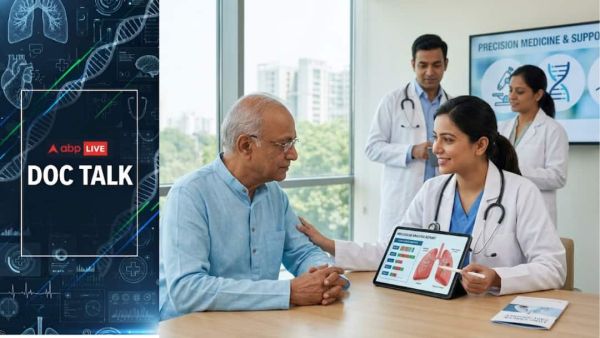
Fear, uncertainty, and many questions often accompany the diagnosis of lung cancer. But modern oncology has transformed the diagnosis and treatment of lung cancer. Advances in imaging, molecular testing, targeted therapy, immunotherapy, precision radiation and minimally invasive surgery have improved survival and quality of life for many patients. Lung cancer is not a single disease but a collection of different subtypes, all requiring a personalized approach to treatment. Treatment options are based on a number of factors including stage of disease, tumour biology, genetic changes, general health and patient preferences. Each patient deserves a personalised treatment plan based on the guidance of a multidisciplinary cancer team.
Early Diagnosis Can Significantly Improve Outcomes
One of the most important clinical take-home messages is that symptoms should be taken seriously. Anyone with a cough lasting longer than three weeks, coughing up blood, unexplained weight loss, chest pain, hoarseness, breathlessness and recurrent chest infections should be seen by a doctor promptly. Those at higher risk, especially long-term smokers and those exposed to high levels of air pollution or occupational carcinogens, should talk with their doctor about screening options. Early detection of lung cancer can lead to better long-term outcomes and improve the chances of curative treatment by surgery or combination therapies.
Treatment Extends Beyond Cancer Control
The effective management of lung cancer is not limited to chemotherapy, surgery, radiation therapy, targeted therapy, or immunotherapy. Comprehensive cancer care includes, as needed, nutritional support, pulmonary rehabilitation, pain management, psychological counseling, symptom control, and palliative care. Patients should be open about side effects related to treatment as early intervention can reduce complications and improve tolerance of treatment. Other equally important parts of cancer care include adequate nutrition, physical activity within individual capacity, smoking cessation, and attendance at follow-up appointments.
Every Patient's Journey Is Unique
Comparing one patient’s experience to another can cause unnecessary anxiety as tumors behave differently and everyone responds to treatment differently. R&D, clinical trials, and precision medicine are providing more treatment options every year. Many patients now live longer and still have good quality of life, doing meaningful activities every day. The best possible outcome depends on trusting the health care team, following evidence-based treatment recommendations, and getting trustworthy medical information.
Lung cancer remains a complex disease, but it is no longer defined solely by poor outcomes. Early detection, accurate diagnosis, personalised treatment, supportive care and ongoing medical advances have changed the outlook for many patients. Hope must be based on science, timely treatment and compassionate care, because everyone deserves the best chance to fight the disease with confidence and dignity.
-
Kanchanbagh: MP native arrested for cyber fraud

-
Amid Malala book row, Gujarat Congress defends right to read

-
WATCH: Shubman Gill Turns Heads With Luxury Mercedes Drive

-
Top 10 | ABP LIVE Evening Bulletin: Top News Headlines from 29 August 2026 - Evening

-
Hot food doesn't need microwave, know 7 great techniques to pack tiffin!