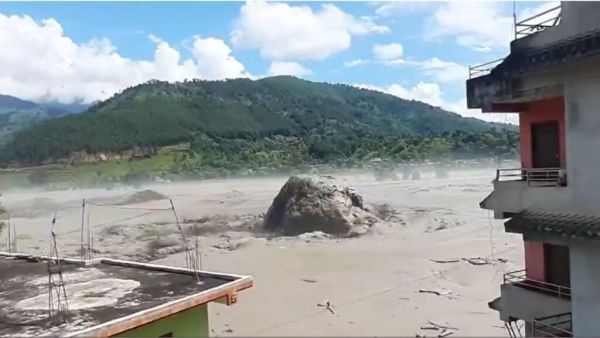
Kathmandu: As Nepal begins the difficult process of recovery, the scale of destruction has become clear. The country would need anything between USD 4 billion and USD 5 billion to rebuild after one of the deadliest natural disasters in recent years.
The estimated reconstruction cost is nearly one-tenth of Nepal's economy, creating a huge financial challenge for a nation already dependent on tourism, foreign remittances and hydropower.
How A Glacier Collapse Turned Into A Deadly Flood Disaster
The disaster began when a glacier collapse unleashed a powerful wave of water, ice, rocks and mud through Himalayan river systems. Within hours, the force of nature transformed peaceful river valleys into disaster zones. Flash floods and landslides swept through settlements, leaving destruction across parts of Nepal and neighboring Tibet.
Homes were damaged, families were separated and entire communities were cut off as roads and communication networks collapsed. More than 600 people have been reported dead across the affected regions, while thousands remain missing. For rescue teams working in difficult mountain terrain, every passing hour has become a race against time.
Nepal Faces A Long And Expensive Road To Recovery
Nepal Finance Minister Swarnim Wagle has said the initial reconstruction estimate is between USD 4 billion and USD 5 billion. Officials have clarified that the figure is only an early assessment, as teams continue to examine the full extent of the damage.
The rebuilding effort will involve much more than repairing buildings. Authorities will need to restore damaged roads, rebuild bridges, repair power facilities, reconnect isolated communities and provide support to thousands of families who have lost their homes and livelihoods.
For many survivors, the biggest challenge will not just be rebuilding structures, it will be rebuilding their lives.
Thousands Search For Missing Family Members
Behind the economic figures are thousands of personal tragedies. In many affected areas, families are still waiting for information about relatives who disappeared when floodwaters rushed through villages.
Rescue workers are navigating dangerous terrain, damaged roads and unstable conditions to search for survivors and recover bodies. Bad weather has slowed operations in some areas, making the rescue mission even more difficult.
Nepal has requested specialized international assistance, including technical support for rescue operations, restoring transport and communication links, identifying victims and conducting DNA testing.
Hydropower Damage Adds To Nepal's Economic Worries
The floods have delivered a major blow to Nepal's hydropower sector, one of the country's most important economic drivers. Several power projects have been damaged, affecting infrastructure that contributes more than 12% of Nepal's total electricity generation capacity.
The damage could impact electricity supply, industrial activity and future economic growth. For a country that has been investing heavily in hydropower development, restoring damaged projects will be a crucial part of the recovery mission.
Disaster Brings Back Memories Of 2015 Earthquake Tragedy
The scale of the destruction has reminded many Nepalese people of the devastating 2015 earthquake. The magnitude 7.8 earthquake killed nearly 9,000 people, destroyed more than five lakh homes and caused losses estimated at around one-third of Nepal's economy.
While officials believe the current flood reconstruction cost will be lower than the earthquake recovery bill of around $9 billion, the emotional and economic impact remains enormous. Both disasters have tested Nepal's ability to recover from extreme natural events.
India Sends Relief Support To Neighboring Nepal
As Nepal struggles with rescue and recovery efforts, India has extended humanitarian assistance. Relief supplies including medicines, food items, blankets and water purification materials have been sent to support affected communities. The assistance comes at a critical time as Nepal works to provide immediate relief and restore basic services in disaster-hit regions.
A Warning For Himalayan Communities
The disaster has once again highlighted the growing risks faced by Himalayan regions due to changing weather patterns, glacier instability and extreme rainfall events.
Experts have repeatedly warned that mountain communities are becoming increasingly vulnerable to sudden floods and landslides. For Nepal, the recovery effort will not only involve rebuilding what was destroyed but also preparing for future disasters.
Nepal's immediate priority remains finding missing people, helping displaced families and restoring essential services. Once rescue operations stabilize, the government will begin a detailed assessment of damage and prepare a long-term reconstruction plan.
The rebuilding journey could take years and will require support from government agencies, international partners and neighboring countries. For thousands of Nepalese families, recovery will begin with a simple hope of finding loved ones, returning home and starting life again after the flood fury.
-
Refrigerator Maintenance Tips: Mumbaikars, leaving for Konkan? Be sure to read 'these' rules before closing the fridge!

-
Thyroid tablets recalled as they may be ‘superpotent’

-
Pitru Dosha signs: What to understand if you see a deceased loved one asking you for something in your dream? Know these signs

-
From Maggi to family recipes, weddings are serving more love

-
Sun's movement will change at the end of the month, these 4 zodiac signs will get big benefits