The Government of Haryana has signed Memoranda of Understanding (MoUs) to establish four Integrated Waste-to-Energy Plants in the Hisar, Ambala, Faridabad and Gurugram clusters. The plants will collectively process 5,000 tonnes of urban waste daily and generate 50 megawatts of energy when fully operational, with a target completion date of October 2028.
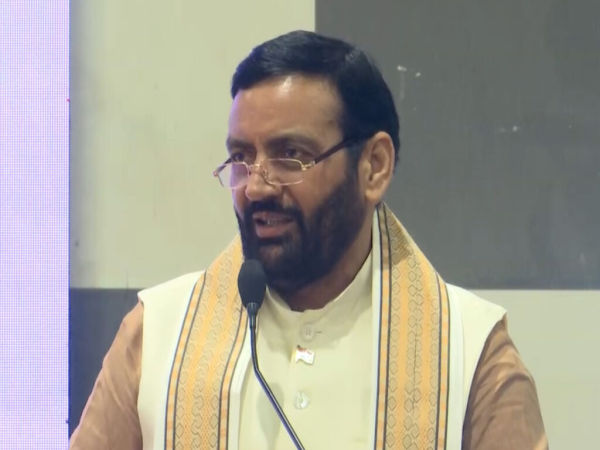
The plants will be developed by Oil Green Energy Limited, a wholly owned subsidiary of Oil India Limited. Chief Minister Nayab Singh Saini highlighted the agreements as a significant step towards making Haryana’s cities cleaner, healthier and more modern.
He emphasized that urbanization increases the challenge of waste management but noted that “waste is not merely a problem; with the right technology and scientific systems, it can be converted into energy and useful resources.” The initiative aligns with Prime Minister Narendra Modi’s vision of “Waste to Wealth” under the Swachh Bharat mission.
The first plant, in the Hisar cluster covering Hisar, Hansi, Fatehabad and Jind urban local bodies, will process 500 tonnes of waste per day to produce a minimum of 5 MW of energy. The second plant, in the Ambala cluster covering Ambala, Yamunanagar and Panchkula districts, will process 900 tonnes daily to generate at least 9 MW.
The third plant in the Faridabad cluster will handle 1,600 tonnes per day from Faridabad district and produce a minimum of 16 MW, while the fourth in the Gurugram cluster will process 2,000 tonnes per day, generating 20 MW.
Saini explained that the plants will employ integrated and modern technology, including pre-processing of waste. Wet waste will be converted into biogas at Compressed Biogas plants, and non-recyclable dry waste will be processed in waste-to-energy facilities. The objective is to minimize incineration through scientific and sustainable methods, adhering to strict environmental standards.
Financially, the projects will receive support from the Central Government’s Ministry of Housing and Urban Affairs under the Urban Challenge Fund, with 25 per cent of the capital cost covered centrally. The State Government and urban local bodies will share 25 per cent, while Oil Green Energy Limited will invest the remaining 50 per cent. This collaboration demonstrates cooperation between Central and State Governments alongside local authorities and a public sector enterprise.
The plants will comply with the Solid Waste Management Rules, 2026, issued by the Government of India, which aims to ensure scientific management and maximum utilization of waste.
Chief Minister Saini concluded by stressing that cleanliness is a shared responsibility. He stated, “The government can put systems and facilities in place, establish modern plants and introduce scientific technology, but it is the responsibility of every citizen to segregate waste generated from homes and institutions. It is only when government systems, modern technology and public participation come together that the cleanliness campaign can truly become a people’s movement.”
-
TMC symbol remains with Mamata Banerjee, asserts MP Sougata Roy
-
CISF karatekas Priyank Bhadoriya, Anshika Bhardwaj win silver medals

-
Kollam: Parent-Teacher Meeting Turns Into Nightmare for Woman! Read Details

-
Tom Lee Says ‘Economists Are Fighting Last Year’s Wars’ As Fundstrat’s 2% Bitcoin Bet Swells To 85%

-
Sadhguru’s Isha Foundation On Search For Missing Kailash Manasarovar Participants