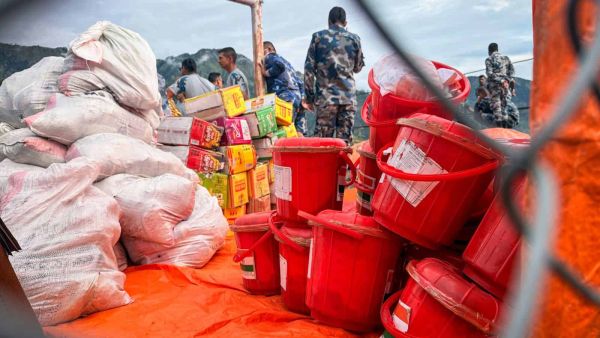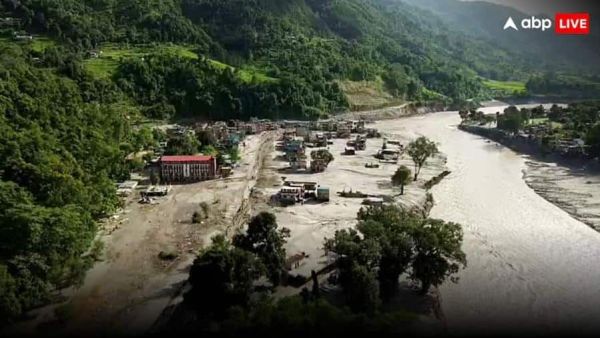
Rescuers in Nepal and China are racing to find thousands of people still missing after Wednesday’s devastating flash floods and mudslide, triggered by a glacier collapse in the Himalayas. The disaster sent torrents of ice, rock, mud and debris through mountain valleys and rivers. At least 750 people have died, while more than 3,000 remain missing on both sides of the Nepal-China border. Rescue teams are battling heavy rain, rising river levels and difficult terrain as fears of further flooding persist.
Rescue Efforts Hampered
Nepal’s disaster authority said 734 people had died, 2,498 were still missing and 7,514 had been rescued. In Tibet's Gyirong, 16 people were confirmed dead and 546 remained missing.
The Red Cross estimates that more than 90,000 people may have been affected. China has linked the disaster to climate change.
Chinese Foreign Minister Wang Yi told his Nepalese counterpart on Saturday that the mudslide was the countries’ most severe cross-border disaster in recent years. He said rescue efforts had reached an unprecedented level of difficulty.
In Nepal, police said people were moving to higher ground after the Trishuli River rose following fresh rainfall.
Rescue operations have been repeatedly suspended because of bad weather. Officials are also watching a lake formed by the disaster near the border.
Although the lake had largely drained by Saturday, drones detected another landslide downstream. It has formed a new dam and a fresh pool of water, raising fears of further flooding.
India's 4th Relief Flight Reaches Nepal With 11 Tonnes Of Aid; Tunnel Rescue, Forensic Experts Sent
Bodies Buried As Hope Fades
Rescuers are focusing on hundreds of people believed to be trapped inside tunnels at damaged hydropower plants in Nepal.
Kathmandu has sought international help with tunnel rescues, DNA testing, body storage and forensic identification. Indian and Chinese experts are assisting rescue teams.
Meanwhile, Nepalese authorities have begun mass burials of unidentified victims. More than 100 bodies were buried on Saturday in Chitwan district.
Many victims were badly decomposed and could no longer be recognised.
Police said officials are photographing the bodies, collecting DNA samples and recording identifying details before burial. The information may help families identify missing relatives later.
Nepal Flash Floods Death Toll Rises To 734, Nearly 2,500 Missing As Tunnel Rescue Intensifies