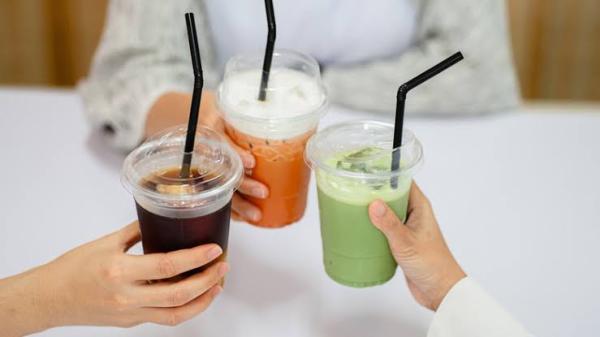
Starbucks may have built its reputation on coffee, but younger customers are increasingly turning to cold drinks, custom flavours and visually appealing beverages instead of traditional hot coffee.
Elaine Ling, 21, who divides her time between New York and California, says she prefers local cafes for coffee and visits Starbucks mainly for its cold drinks.
Her preference reflects a wider shift among Generation Z consumers in the US.
Cold drinks now dominate Starbucks
Starbucks says three out of every four drinks it sells are now cold. The range includes iced fruit drinks, protein beverages and other highly customised options.
For many younger customers, the appeal goes beyond taste. They can choose flavours, toppings, foams and sizes to create a drink that feels personal.
Tristan Höver of Euromonitor International said younger consumers increasingly view drinks as something that can be tailored to a particular moment or need.
Drinks become a form of expression
Analysts say customisation has turned cold beverages into a form of self-expression.
Jerry Sheldon of IHL Group described cold drinks as another way for consumers to signal their identity, much like clothing or hairstyles.
Marketing professor Kelly Goldsmith said customers are not simply paying for what is inside the cup but also for the experience and image associated with it.
Social media adds to the trend
Social media has also helped drive demand for colourful and limited-time beverages.
Starbucks’ Unicorn Frappuccino, promoted heavily on TikTok, was available for only three days. According to Placer.ai, foot traffic at Starbucks increased by 44% during its brief run.
Other chains are following the same strategy. Dunkin’ has been experimenting with protein-rich and customisable cold drinks and has partnered with celebrities including Kylie Jenner for limited-time offerings.
The trend goes beyond America
The shift towards cold beverages is not limited to the US.
UK data cited in the report shows that shoppers under 25 buy more cold drinks than hot drinks when consuming beverages outside their homes. More than 60% of their purchases are cold, compared with around 30% among consumers aged 55 and above.
For Starbucks, the trend has become an important part of its business recovery. Cold beverages now account for more than 70% of its US beverage sales, making customisation and cold drinks increasingly central to the company’s strategy.
-
Miss Teen International 2026: Cuba's Jhoanna Uranga Wins Crown In Jaipur

-
Daayra Trailer: Kareena Kapoor, Prithviraj Sukumaran Face Off In Meghna Gulzar's Crime Thriller

-
Hyderabad couple under digital arrest for 4 months, lose Rs 64L

-
WATCH | Moment Glacier Collapsed Before Nepal Flash Floods Accidentally Captured On Drone

-
IAS Officer Divya Mittal's Resignation: List Of 13 Officers Who Have Left Service Since 2017