India on Monday rejected the latest pronouncement by the World Bank-backed Court of Arbitration (CoA) concerning the Indus Waters Treaty, calling the body “illegally constituted” and asserting that its decisions have no bearing on India’s actions.
The Ministry of External Affairs (MEA) said the court was constituted in violation of the treaty and that India has never recognised its jurisdiction. New Delhi has also refused to participate in proceedings before the body.
India says Indus Waters Treaty remains in abeyance
In a statement, the MEA reiterated that India’s decision to keep the Indus Waters Treaty in abeyance remains in force.
The ministry said the CoA had no jurisdiction to rule on India’s sovereign decisions, particularly those concerning projects being undertaken by the country.
According to the MEA, the court’s latest pronouncement, as well as any future decisions by the body, will have no effect on India’s actions.
India has previously rejected rulings and pronouncements issued by the CoA concerning hydroelectric projects in Jammu and Kashmir and disputes linked to the Indus Waters Treaty.
What did the Court of Arbitration say?
The Court of Arbitration said it had considered the current status of the treaty and India’s decision to place it in abeyance.
The court reportedly concluded that the grounds cited by India for suspending the treaty did not justify its suspension or termination. It therefore maintained that the Indus Waters Treaty remains in force and that India continues to be bound by its obligations under the agreement.
India, however, rejected that position.
The MEA said the court was created in breach of the treaty’s provisions and maintained that India had consistently refused to recognise its authority.
India-Pakistan water dispute
The latest development adds another layer to the continuing India-Pakistan dispute over the 1960 Indus Waters Treaty.
India announced that it would keep the treaty in abeyance following the Pahalgam terror attack in April 2025. New Delhi has since maintained that its position remains unchanged.
The treaty governs the sharing of the waters of the Indus river system between India and Pakistan and has historically provided a framework for managing water resources between the two countries.
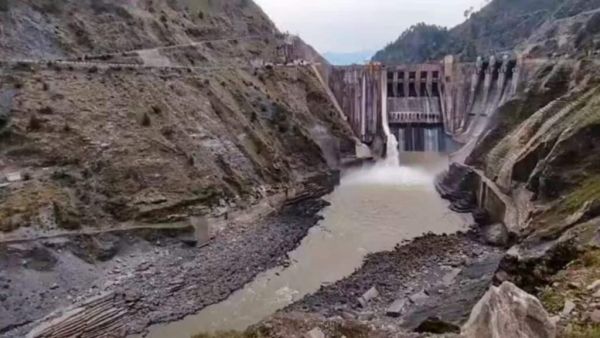
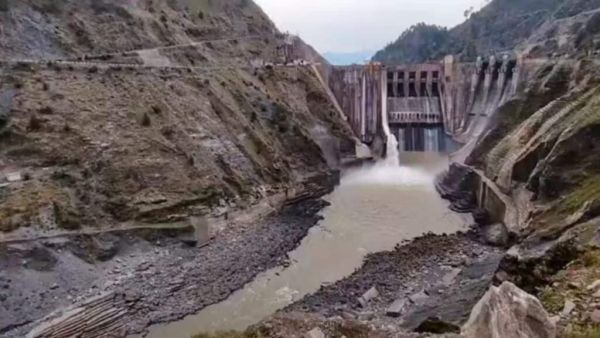
The dispute has also involved hydroelectric projects, including the Kishenganga and Ratle projects in Jammu and Kashmir.
India has previously rejected a supplemental award concerning the jurisdiction of the arbitration mechanism over these projects.
New Delhi rejects CoA jurisdiction
The MEA’s latest statement makes clear that India does not accept the Court of Arbitration’s authority in the matter.
The ministry said India had never recognised the existence of the court in law and had refused to take cognisance of its earlier pronouncements.
With India maintaining that the treaty is in abeyance and the CoA insisting that the agreement remains in force, the latest development is likely to further intensify the legal and diplomatic dispute surrounding the Indus Waters Treaty.
-
Bigg Boss 20: Rohed Khan to Mary Kom, 19 confirmed contestants

-
Bombay HC orders CBI probe into Disha Salian death case

-
New 2026 Mitsubishi Pajero Looks Perfect For India, But Won’t Come Here

-
2 Para Soldiers Swept Away In Yamuna During Training, Massive Search Op Underway

-
Tips for Growing Fresh Green Peas in Winter