Immigration policies and employment authorizations for foreign nationals in the United States frequently undergo shifts when new administrative priorities take center stage. For thousands of professional families residing stateside, sudden regulatory proposals can spark intense anxiety regarding career stability, financial independence, and long-term futures.
The United States administration has introduced a fresh regulatory proposal targeting spousal work authorizations, triggering widespread concern among expatriate communities—particularly Indian professionals building careers under existing visa frameworks.
Trump Administration Proposes Repealing H-4 Spousal Work Permits
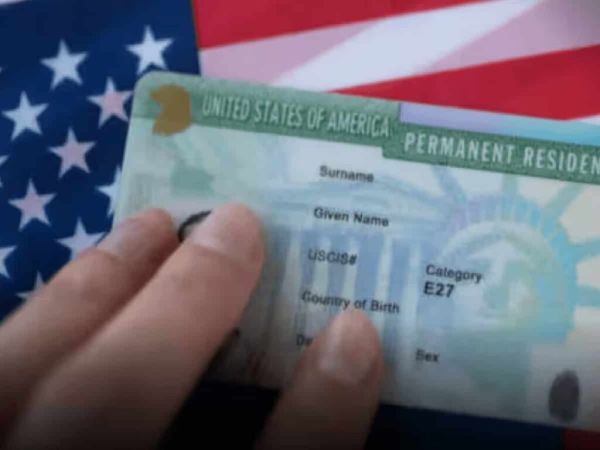
The work rights of spouses of H-1B visa holders living in the United States face renewed uncertainty. As part of its latest regulatory agenda, the Trump administration has included a formal proposal aimed at excluding specific categories of H-4 visa holders from obtaining employment authorization documents. If this administrative proposal successfully navigates the federal rulemaking process and becomes law, it could directly impact the livelihoods of thousands of individuals currently employed legally across the US using H-4 EADs.
While the proposal has generated significant alarm, immigration experts emphasize that the H-4 EAD has not yet been abolished. The measure remains strictly a proposal at this stage and must undergo a thorough multi-step legal process before any implementation can occur.
Understanding the Current H-4 Visa and EAD Framework
It is essential to understand that the H-4 visa itself is not an independent employment visa. Primarily designed to allow spouses and dependent children of H-1B visa holders to reside together in the United States, the base visa does not automatically confer work rights.
Instead, eligible spouses holding H-4 visas must apply for a separate Employment Authorization Document (EAD). Under current guidelines, this privilege is restricted to qualified H-4 spouses whose primary H-1B partners have already reached specific advanced stages of the employment-based green card process.
Why Indian Families Face the Maximum Impact
Any alterations to the H-4 EAD framework disproportionately affect Indian professional families due to historical migration patterns. Comprehensive data indicates that approximately 93 percent of all H-4 EAD applications approved between 2014 and 2017 were filed by Indian citizens, with roughly 94 percent of those beneficiaries being women.
Furthermore, US Citizenship and Immigration Services (USCIS) figures show that Indian nationals accounted for approximately 71 percent of all H-1B petitions approved in fiscal year 2024. Consequently, any shifts in H-1B and H-4 regulations carry profound consequences for Indian households navigating the American corporate landscape.
The Regulatory Process and What Affected Holders Must Do
For professionals currently working under valid H-4 EADs, immigration advocates advise calm, as no immediate changes have taken effect. The Department of Homeland Security (DHS) must first issue a formal Notice of Proposed Rulemaking in the Federal Register, opening a public comment period for stakeholders and affected families.
A final rule can only be issued after the public feedback cycle concludes. Until formal rule changes are enacted, eligible individuals holding valid H-4 EADs retain their legal right to continue working under existing permits.
A Familiar Battle From Past Administration Agendas
Efforts to eliminate the H-4 EAD are not entirely unprecedented. During Donald Trump’s first presidential term in 2017, the DHS similarly proposed terminating employment authorization for select H-4 spouses. However, that initiative never materialized into a final rule and was eventually withdrawn in 2021. The resurgence of the proposal has inevitably revived anxieties across the community.
Alongside the H-4 EAD review, the administration has floated discussions regarding broader modifications to the H-1B program, including higher filing fees for new employees and tighter timelines for displaced workers to secure alternate employment. For now, existing rules remain firmly intact while the regulatory proposals wind their way through official channels.
-
Rain damages Ganga Expressway in Unnao; Akhilesh takes dig at UP govt

-
DUSU elections: NSUI accuses ABVP of tearing its signature campaign posters

-
Confirmed: Barcelona sign Gabriel Jesus from Arsenal

-
A simple Dominik Szoboszlai switch could help Liverpool fix two overlooked problem positions without spending anything

-
Can anxiety and stress become the cause of hair fall? Dermatologist's opinion