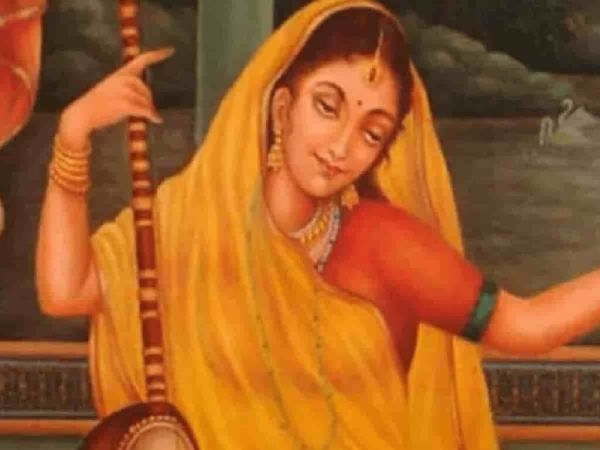
In the history of Indian music and culture, whenever there is mention of exclusive devotion and love for Lord Shri Krishna, the name of Saint Mirabai is taken first and with utmost respect. In the sixteenth century, this great Krishna devotee of Mewar, in the love of his beloved 'Girdhar Gopal', composed such supernatural verses and hymns, which have gone beyond the limits of time and are ruling the hearts of millions of countrymen even today. In the sacred and festive atmosphere of Janmashtami, when the praises of Kanha echo all around, a special 400 year old bhajan composed by Meerabai automatically comes on the tongue of every devotee. The entire story of the depth of this historic and immortal creation, the spiritual message behind it and the magical impact it has had on modern cinema is extremely interesting and inspiring. That 400 year old historical hymn and its deep spiritual meaning Mirabai had dedicated most of her life to the devotion, sadhana and composition of Lord Krishna's verses. The hymns composed by him reflect not only tender feelings but also the amazing courage to go beyond worldly attachments and become completely absorbed in God. The specific bhajan we are talking about today begins with these immortal lines – “Pag Ghunghru Bandh Meera Nachi Re, Main To Mere Narayan Ki Aap Hi Ho Gayi Dasi Re.” The literal and spiritual meaning of this hymn, composed in the sixteenth century, is very deep. This means that Meera has tied ghunghrus on her feet and she is dancing engrossed in the love of her Lord Krishna without caring about the shame of the people. In this bhajan, there is also a subtle mention of those historical events when the people of the society had declared Meera 'Bawri' or mad because of her devotion to Krishna, and Meera had also drank the poisoned cup sent by Rana, considering it to be nectar. Every line of this hymn has the fragrance of that unwavering faith, which completely eliminates the duality between the devotee and God. Every celebration is incomplete without this bhajan on the festival of Janmashtami. Every year when the festival of Shri Krishna Janmotsav i.e. Janmashtami is celebrated on the Ashtami date of Krishna Paksha of Bhadrapada month, the echo of music is heard in temples, homes and events in every corner of the country. Despite the advent of many new songs and bhajans in the modern era, this 400 year old verse of Mirabai has not lost its sweetness and energy even today. On the auspicious occasion of Janmashtami, when Kirtans start in the temples from early morning, devotees are seen dancing to the tune of this hymn. The biggest specialty of this bhajan is that each and every line of it not only sounds melodious to the ears, but also creates a unique and joyful wave of devotion in the mind of the listener. This is the reason why even today this bhajan is considered the most essential and vital part of the celebration of Janmashtami. How did this historical verse of Mirabai become immortal in Bollywood cinema? The popularity of this immortal hymn of Mirabai and the power of its words was not limited to traditional temples or meetings of saints, but it also deeply influenced the creators of the Indian film industry, i.e. Bollywood. Armed with this 400 year old inspiration, the veteran lyricists and composers of Hindi cinema gave it a modern touch. Who can forget the famous song from the cult classic film 'Namak Halal', released in the year 1982, whose lyrics were – "Pag Ghunghru Dam Mira danced". The lyricist of this song was unknown, who composed the lyrics of this cinematic masterpiece taking inspiration from the sentiment and initial lines of the same original bhajan of Mirabai. Composed under the direction of composer Bappi Lahiri, this song was sung by legendary playback singer Kishore Kumar with his magical and energetic voice. This song was filmed on the silver screen on megastar Amitabh Bachchan, in which actress Smita Patil was also seen with him. When this song was played in theaters, the audience welcomed it with applause and coins. Although it had become a film song, its basic soul was the same 400 year old Meera's devotion to Krishna. This confluence of tradition and modernity will always remain alive. The hymns of Saint Mirabai are proof that true feelings and devotion towards God never fade away in time. No matter the time, no matter how much technology changes, art that touches human sensibilities always remains immortal. This hymn of Meera symbolizes that when a devotee surrenders his entire consciousness at the feet of his deity, his voice continues to resonate for centuries. Today, when we celebrate the festival of Janmashtami in the modern era, this bhajan keeps us connected with our rich cultural and spiritual heritage. When the coming generations also listen to the lines of this bhajan, they will dive into the same ocean of devotion and joy that Mirabai had experienced 400 years ago.
-
Manchester United step up late move for Barcelona left-back Alejandro Balde in transfer deadline twist

-
5 Zodiac Signs Have The Best Horoscopes On Wednesday, September 2, 2026

-
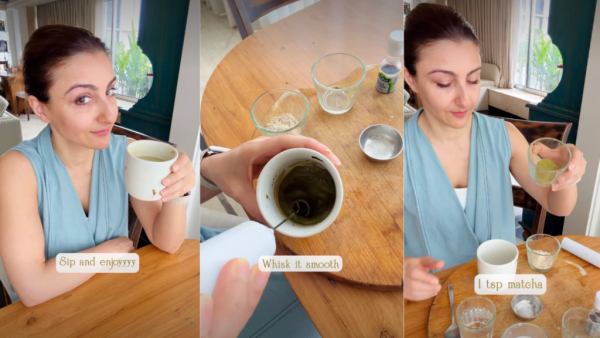
“Matcha-do About Nothing,” Soha Ali Khan Whips Up A Protein Rich Drink
-
Reliance’s JioHotstar takes its streaming empire global — without sports

-
OriginOS 7 Gets a Major Reveal at vivo VDC 2026