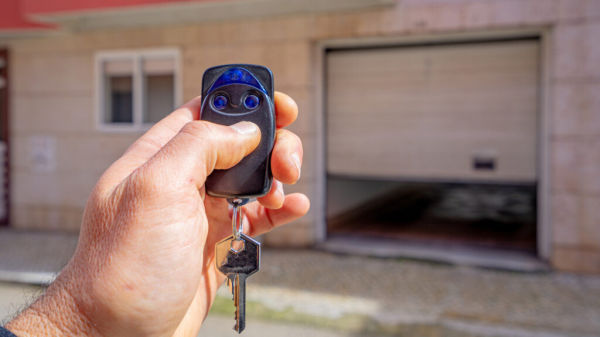
A garage door opener is the type of convenience that’s easy to take for granted until it stops working properly. One way to guard against unexpected garage door opener failure is to familiarize yourself with the expected lifespan of such devices. Although numerous factors, such as how often you use it, can influence the lifespan of these machines, they typically should last between 15 and 20 years on average. Look into replacement options if yours is nearing 15 years or more of age. You should also be on the lookout for common signs indicating a garage door opener is dying and needs to be replaced.
Be aware that not all the problems affecting garage doors and garage door openers necessarily require investing in a full replacement. In many cases, it’s wise to assess the situation, perhaps with the help of a professional, to determine if a simple repair job would fix the issue. However, in some instances, even if it’s technically possible to repair a broken garage door opener, it might be more financially prudent in the long run to simply invest in a new model that’s unlikely to break down in the near future.
Inconsistent operation
Naturally, if your garage door opener doesn’t open the garage door reliably, that’s a sign of a problem. Even if it works some of the time, the fact that it’s not doing its job consistently is a red flag. That said, it’s also a bad sign if the garage door opens or closes on its own.
Any type of inconsistent or unexpected functioning could indicate some part of the garage door opener is malfunctioning. Unless you’re genuinely an expert in garage door opener repair, you should hire a professional to thoroughly inspect the system. Fixing it may only require swapping out an old component for a new one. Sometimes, if a garage door won’t open at all, installing a new battery is all that’s necessary.
If the issue is more widespread, affecting multiple components due to factors like age, you might be better off replacing the system entirely. Remember, in terms of long run expenses, staying on top of repairs and upkeep for an aging garage door opener system could be costlier than installing a replacement.
Strange noises or movements
Even if your garage door opener is technically working, you should nevertheless pay attention to how smoothly it appears to be functioning. You might notice that the garage opens more slowly than it once did. Or, it could move in a jerky manner. Both of these could be signs of garage door opener trouble.
Similarly, listen to any sounds your garage door makes when the opener is in operation. Strange noises when the garage door is opening or closing could be a sign that something is wrong with the motor or another component.
Again, it’s possible that the cause of the problem is something that can be repaired without a full garage door opener replacement. However, these warning signs often arise when garage door opener systems are fairly old and reaching the end of their lifespans. Thus, if you want to avoid having to address more issues in the near future, your best bet may be to schedule replacement service.
The garage door doesn’t close completely
This is another form of inconsistent performance that can be very frustrating to encounter. When you trigger the garage door to close, you might notice that sometimes, it only closes slightly. Rather than close fully, it may reverse course and start to open again.
This can happen for various reasons. Often, a problem with the sensor or the motor is to blame. You might be lucky and discover that the sensors are merely detecting debris or other obstructions and interpreting them as signs that a person or animal is in the way. Clearing away the obstruction can fix the problem immediately. However, if the sensor is malfunctioning, you might have to replace the opener.
A similar problem can occur if the garage door doesn’t close all the way. If it closes somewhat, but doesn’t necessarily reverse course, it might indicate a problem with the tracks or rollers. Again, someone with professional experience or knowledge can help you better determine whether this is the type of problem that requires basic repairs or a full garage door opener replacement.
Your garage door opener relies on old tech
A garage door opener could theoretically work perfectly fine. Still, you might decide it’s time to replace yours simply because you want to upgrade to something that leverages newer tech to offer enhanced performance. For example, maybe you’ve studied the pros and cons of smart garage door openers and concluded that you’re ready to make the switch. This is a perfectly valid reason to schedule replacement service.
No matter what, it’s critical to keep in mind that garage door openers are complex machines. They can also be dangerous, particularly when they’re not working properly. Don’t attempt the DIY approach to diagnosing or addressing any garage door opener problems if you lack the necessary training and experience. Instead, if you notice any signs that your garage door opener is no longer working properly, get in touch with a professional who can take a closer look. In the meantime, you can also begin exploring options for replacing your current opener with something that not only works, but uses the latest innovations to deliver an exceptional experience.