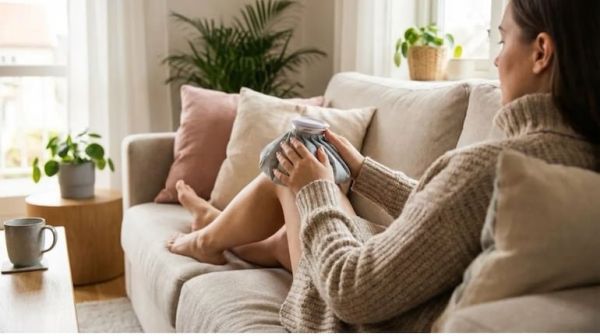
Nowadays, due to wrong lifestyle, habit of working sitting at one place for hours, physical inactivity and increasing age, the problem of knee pain and stiffness has become very common. Whereas earlier this problem was seen only after the age of 50-60 years, now even the youth of 30 to 40 years of age are complaining of pain, strain in the knees and crackling sound from the joints while climbing stairs. Knees bear most of the weight of our body. If proper care is not taken in time, the cartilage of the joints starts wearing out and the condition can reach osteoarthritis. By adopting some simple habits in your daily routine, you can keep your knees healthy and flexible throughout your life. 1. Stretching of quadriceps and hamstrings: Build supportive muscles The knee joint directly depends on the muscles of your thighs (Quadriceps and Hamstrings). When these muscles become weak, the entire weight of the body starts falling directly on the bones and cartilage of the knee. What to do: Do light leg-raising exercises (lying straight and lifting the legs 30 degrees), half-squats and wall-sits for 10 to 15 minutes every morning or evening. Benefits: This creates a strong natural support around the knee joint, thereby reducing the pressure on the bones by half. 2. Keep your weight under control: Every 1 kg of extra weight puts 4 kg of pressure on the knees. Maintaining normal BMI (Body Mass Index) is the most important factor for joint health. According to biomechanics, about 4 times your body weight falls on your knees when you walk. This means that if you weigh just 5 kg more, your knees bear an additional 20 kg load with every step while walking. Control your weight by increasing fiber in your diet and reducing sweets and fried foods, which will slow down the wear and tear of cartilage. 3. Choosing the right footwear: Avoid high heels and flat shoes. The base under the feet determines how the shocks are transferred to your knees. Flat shoes, slippers or high-heeled sandals with very hard soles disrupt the biomechanical alignment of walking, placing undue stress on the patella of the knees. Always wear shoes with arch support and cushioning that can absorb shock from the ground while walking or running. 4. Leave your seat every 45 minutes: Avoid sitting with your legs bent for a long time. Sitting on an office chair for long hours or sitting cross-legged on the floor can be harmful for the knees. When the joint remains immobile for a long time, the flow of synovial fluid (the natural grease of the joints) slows down, causing severe stiffness and pain when getting up. After every 45 to 50 minutes of work, take a break of 2 minutes, stand up, straighten your legs and take a walk. 5. Correct use of hot and cold fomentation Fomentation is a safe and effective home remedy to get instant relief from joint pain and stiffness: Hot Fermentation: If you feel stiffness and stiffness in the knees as soon as you wake up in the morning, foment them with a hot water bag or heating pad for 10 minutes. This increases blood circulation and loosens the muscles. Cold Infusion (Ice Pack): If there is swelling, redness or severe burning sensation in the knee after a lot of walking or working, then wrap ice in a towel and apply it for 10-15 minutes. It helps suppress inflammation. 6. Cartilage-Friendly Diet: Consume Omega-3 and Vitamin D3 To nourish your knees from within, include anti-inflammatory and calcium-rich foods in your plate: Omega-3 Fatty Acids: Walnuts, flaxseeds and chia seeds are helpful in reducing joint inflammation. Vitamin D and Calcium: To keep bone density strong, take milk, curd, cheese, sesame seeds and morning sunlight. Turmeric and Ginger: The 'curcumin' and 'gingerol' present in them act as natural pain relievers. Add a pinch of turmeric to lukewarm milk and drink it at night. 7. Knee-Friendly Cardio: Swimming or Cycling Instead of Running People suffering from joint pain are often advised to stop running or jumping exercises, but this does not mean giving up exercise completely. Low-impact exercises: Cycling (at low resistance) and swimming are the best exercises for the knees. In water, the weight of the body is felt to be negligible, due to which complete movement of the knees takes place without any shock on the joints and the grease and flexibility of the joints remains naturally. If the pain in the knee is unbearable, there is numbness in the leg or the knee stops bending, then instead of relying on home remedies, you should immediately contact an Orthopedic Doctor and get an X-ray or MRI test done.
-
Women ban men from Grand Theft Auto 6 for ‘cheating’ feature

-
What is the bracelet worth?

-
Take special care of skin and hair health after 35, include 5 types of seeds in your diet.

-
3 Zodiac Signs Pass An Important Test From The Universe On September 7, 2026

-
5 Of The Biggest Drawbacks Of Using Electric Lawn Mowers