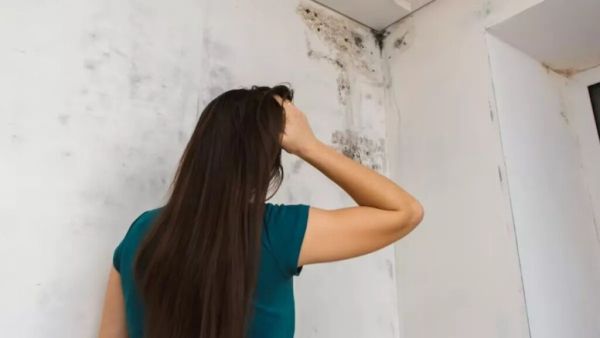
Lifestyle Desk: While monsoon rains provide relief from the heat, increasing humidity and dampness in homes can cause many health problems. Black or green spots on the walls, peeling paint, bad smell and areas that remain wet for a long time not only spoil the beauty of the house, but also create an environment for the growth of mold and other microorganisms. Living in a humid and moldy environment can increase the risk of respiratory symptoms, allergies, and asthma. There is a need to be especially careful about these 5 health problems during monsoon. Come, let us know about it in detail.
Allergies and Allergic Rhinitis
Fungal particles growing in damp places can spread in the air. On coming in contact with them, complaints like sneezing, blocked or runny nose, itching and watery eyes may occur. In people who already have mold allergies, symptoms may be more bothersome.

asthma problem
Moisture and mold in the house can become a big trigger for asthma patients. This may increase cough, wheezing and difficulty in breathing. Inhaling mold can trigger asthma attacks even in people without allergies.
respiratory problems and infections
Constant exposure to humid environments can increase the risk of respiratory symptoms and certain respiratory infections.
A link has been found between living in buildings with damp or mold and respiratory problems. Children and people with pre-existing respiratory conditions should take special precautions. I
bronchitis and persistent cough
Allergens and irritant particles released from dampness and mold can cause irritation in the nose, throat and lungs. Due to this, prolonged cough, sore throat or discomfort in breathing may occur. People living in damp buildings have been reported to be more likely to report bronchitis and respiratory symptoms.
skin problems
Some people may also suffer from itching, red rashes or irritation on the skin due to exposure to fungus in damp environments. Especially people with sensitive skin or allergies may feel more discomfort in such an environment.
How to protect the house from dampness?
Do not ignore the leakages from walls, roof, windows and pipelines of the house during monsoon. Where possible, provide adequate ventilation and dry wet items quickly. It is advisable to keep indoor humidity below 50% and use a dehumidifier or air conditioner if needed.
If mold appears on walls or furniture, or there is a persistent musty smell, it is important to eliminate the source of moisture rather than simply covering it up. If there is a large amount of mold or someone in the house has severe breathing problems, it is better to seek expert help.
That means, along with cleaning the house during monsoon, it is also important to keep an eye on its moisture. Correcting small-looking dampness in time can help save the family from many health problems.
-
Milan, listen to Santi Gimenez's father: "For me, Porto are a good step forward"

-
‘Why would he go to Man Utd?’ - Cole Palmer gets his Chelsea smile back in friendly goals and assists duel with £117m close mate Morgan Rogers

-
‘Certain issues with players’ - Mikel Arteta sends clear message to Viktor Gyokeres as Arsenal continue title defence with win over Aston Villa

-
Green Tea Toner: Easy Home Remedy for Glowing Skin

-
Shopping too much for designer clothes? Blame your menstrual cycle