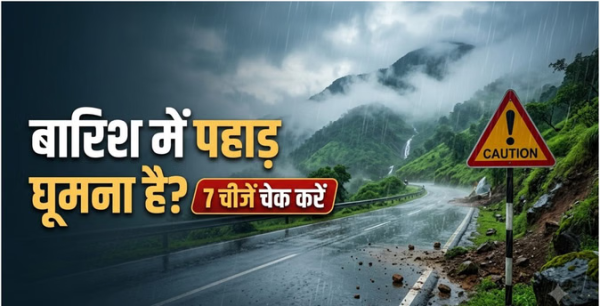
Monsoon season has its own unique flavor in the beautiful hill states of India. Mountains covered with clouds, gurgling rivers and greenery all around are enough to fascinate any tourist. This is the reason why at this time of the year a large number of tourists go to the mountains on weekends or holidays. But as much as it is a pleasant experience to spend some moments of peace in this lap of nature, away from the hustle and bustle of the city, this season also brings with it many challenges and administrative problems. Landslides, flooding of roads, sudden change in weather patterns and closure of roads due to continuous heavy rains have become common. In such a situation, if you set out on a mountain journey without any preparation or with incomplete luggage, your pleasant dream can turn into a nightmare. To make your journey safe, comfortable and memorable, it becomes very important to take care of some special and important things so that any emergency situation can be dealt with easily. 1. Waterproof Bags and Zip Lock Pouches: The first and biggest problem while traveling to the mountains during the monsoon season is that the luggage gets wet. There is no predicting when and in what form the rain will come. Therefore, making your main bag and backpack completely waterproof should be a top priority. Ordinary bags easily absorb water, which can completely spoil the clothes, gadgets and important documents kept inside. For this, use a waterproof cover on your bag or use strong polythene and zip lock pouch inside. Small airtight zip lock bags come in handy for keeping mobile phones, money, identity cards and other electronic items safe. When your valuables and clothes remain completely safe, you can enjoy this rainy season to the fullest without any worries. 2. Trekking shoes and gumboots with proper grip (Waterproof Grip Shoes and Gumboots) During rainy days in the mountains, the risk of slipping while walking on paths and trails increases manifold. Wet soil, mossy rocks and muddy roads can cause major accidents for tourists. Therefore, do not forget to wear fashionable shoes or sneakers while traveling. Keep with you such strong trekking shoes which have very strong grip and which do not allow water to absorb quickly. Apart from this, if you are planning to trek in forests, waterfalls or areas with high rainfall, then definitely carry a pair of gumboots i.e. long rubber shoes. Gumboots are considered to be the best option for walking through water and mud, keeping your feet completely dry and safe. Protection of feet and proper balance makes hill travel easy. 3. First Aid Kit and Essential Medicines: While traveling in hilly areas, problems like cold, cough, fever, upset stomach or headache are common due to sudden change in weather. Apart from this, sometimes people complain of vomiting or dizziness on high roads. In such a situation, it is not always possible to find a doctor or medical store immediately in the local areas. Before leaving on a trip, keep a good and completely updated first aid kit in your bag. This kit should include painkillers, antibiotics, antiseptic cream, bandages, cotton, ORS packets, motion sickness pills and any of your regular personal medicines that you should never forget. Along with this, it is wise to keep some basic bandages and insect repellent cream with you. 4. Power Banks and Portable Chargers: Power failure during rains and storms in the mountains is a very common problem. In remote or rural hilly areas, there is often no electricity for hours, which poses a risk of battery discharge in mobile phones and other electronic devices. In today's time, smartphone is not just a means of talking while traveling, but it has also become the main means of navigation, online payment, hotel booking and emergency contacts. Therefore, while leaving home, keep a good capacity fully charged power bank and charging cable with you. If you are fond of photography and use a camera, then do not forget to carry its spare battery so that even when there is no electricity, you can continue enjoying your journey without any interruption and stay in touch with your loved ones. 5. Waterproof Jackets and Raincoats: The weather doesn't listen to anyone during monsoon in the mountains; There is no guarantee as to when the bright sunshine will come out and when it will start raining heavily. Carrying an umbrella all the time can be quite difficult on the narrow and winding roads of the mountains, especially when the winds are blowing very strongly. Therefore, instead of relying on an umbrella, carry a good quality waterproof jacket, poncho or durable raincoat with you. Wearing a raincoat or waterproof jacket keeps your hands completely free and you can easily handle your belongings or do photography. Along with this, always keep a pair of extra clothes with you in a place which can be easily removed, so that after getting wet in the rain, you can protect yourself from cold and chill by wearing dry clothes immediately. 6. Dry Snacks and Reusable Water Bottles: During heavy rains in the mountains, sometimes the roads are closed for hours and vehicles get stuck midway due to landslides. In such emergency situations, it becomes impossible to reach food shops or dhabas. Therefore, always pack some high-energy dry snacks such as energy bars, chocolates, biscuits, nuts and dry fruits with you. Apart from this, always keep a good quality insulated or normal water bottle with you, which is filled with clean water. There is a high risk of spreading water-borne diseases by drinking water from open places during monsoon days, therefore, taking care of your health, always drink pure water. Being hungry and thirsty further increases the fatigue of traveling, which also creates mental stress. 7. Local weather information and road status (Weather Updates and Road Status) Before leaving for any hill trip, be sure to get complete information about the forecast of the local meteorological department of that area and the current condition of the roads. Many times, red alerts of heavy rains and landslides are issued by the district administration or disaster management department, at such times going on those roads is like risking your life. With the help of local news, social media updates and traffic police helpline numbers, make sure that the route you are taking is safe or not. Keep your travel schedule a little flexible so that even if you have to stay for a day due to bad weather, you do not have to face any major problems. Caution and alertness are the biggest keys to making any journey successful and safe.
-
Top 10 | ABP LIVE Morning Bulletin: Top News Headlines from 7 September 2026 to Start Your Day - Morning

-
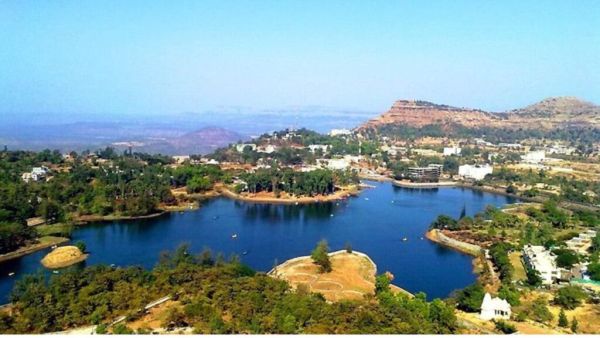
Perfect for a weekend trip, have you visited 'Saputara' nestled in the lap of Sahyadri? This is where Lord Sri Rama stayed for 11 years
-
How to Care for Curry Leaf Plant: 5 Important Tips

-
“It’s not that bad”: Michael Carrick defends Man United after Everton draw

-
World Archery Para Series 2026: Sheetal Devi And Rakesh Kumar Set New Record In Compound Mixed Team Qualification Round