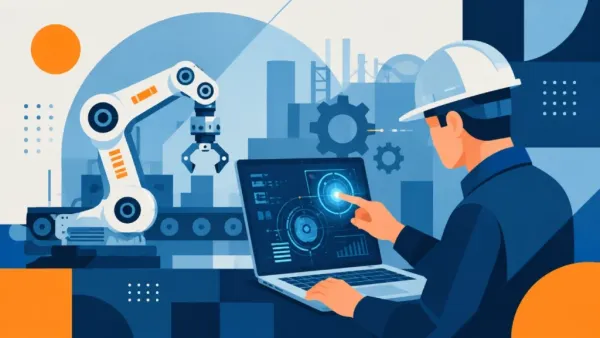
Artificial intelligence is starting to feel larger than a software story. When firms fund new AI systems, they also buy chips and expand data centers. That push then pulls in real-world needs like power, new sites, and factories. NVIDIA CEO Jensen Huang has described this as a chance to reindustrialize the United States.
He says the country has shifted much of its manufacturing overseas, and AI may help reverse that trend. In a post on XHuang backed a point made by Gavin. He then laid out his view of how fast AI growth could change the way American industry works.
AI Might Help Bring Factories Back
Huang’s main point is simple. AI could help bring manufacturing back to the United States. For years, many factories moved overseas. Now, the U.S. is starting to see new money put into plants tied to the AI push. AI work is not just code and apps. It also depends on hardware made in the real world.
That includes chip manufacturing sites, data centers, power projects, and other built systems. When the need for AI computing rises, firms have to expand these facilities too. Huang used a phrase for it: “bringing manufacturing back to America.” In his view, this could also help the U.S. reindustrialize, not just invest in software.
More Strain on the Power System
The AI surge is also changing how people think about energy. AI data centers use a lot of electricity. That puts extra load on an older power grid. Huang said AI could create demand that leads to new grid upgrades and more clean energy. He also noted that this could happen through normal business choices, not only through government support. If AI keeps expanding, the energy business will feel it. Companies will need to find enough power for new computing spaces.
$400 billion in AI startup funding
Huang pointed to how much money is moving into AI. He said $400 billion has gone into AI startups over the last six months. He also made it clear that this is more than cash for old tech firms.
In his view, it is backing brand new companies and even new lines of work tied to artificial intelligence. That kind of funding does not stay in one place. If firms keep growing, they will also build more systems and expand day-to-day work. The ripple effect can touch many parts of the wider economy.
Jensen Huang Highlights the Role of Local Communities
Huang said AI infrastructure teams should stay close to local residents. He argued that builders should team up with communities, win trust, and leave real local value behind.
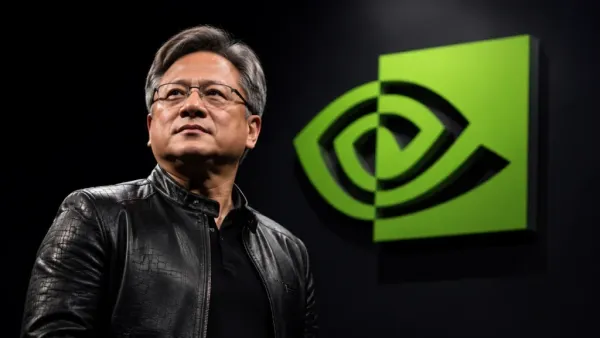
This may matter even more as new energy sites, chip production plants, and data centers come online. Big infrastructure moves can change local life in clear ways. So community involvement becomes part of how these projects expand.
Final thoughts
Jensen Huang framed AI as a possible push behind a wider economic shift. He did not limit it to software and computing. He tied it to needs in making goods, construction work, energy output, semiconductor plants, and data centers.
If AI funding keeps rising as he described, the effects may go well past the tech sector. For the United States, he suggested the AI surge could help spark fresh industrial spending and another round of infrastructure building.
-
Eva Olid outlines Manchester United Women’s ambitious plans ahead of the new season

-
Janmashtami 2026 Wishes: Best 1000+ Krishna Quotes, WhatsApp Status And Instagram Captions

-
Premier League confirm August award nominees

-
The 10 highest-spending leagues of the summer transfer window

-
Horoscope Today: Astrological prediction September 3, 2026 for all zodiac signs