Think you need to avoid these foods to lower your triglycerides? Think again.
Reviewed by Dietitian Katey Davidson, M.Sc.FN, RD, CPT
Key Points
- Eggs, potatoes, seed oils and full-fat dairy can fit into a heart-healthy diet.
- What you eat with these foods and how you prepare them also matter for triglyceride health.
- Focus on a balanced diet rich in fiber, healthy fats and nutrient-dense foods.
High triglycerides can increase your risk of heart disease, so it’s important to keep your levels in check. One simple way is to be more mindful about your food choices.
“A heart-healthy diet includes foods rich in fiber, healthy fats and a variety of nutrients. This includes fruits, vegetables, whole grains, dairy, legumes, pulses, nuts and seeds, lean proteins and fatty fish,” says Gisela Bouvier, M.B.A., RDN, LDN. “A heart-healthy diet also limits highly refined carbohydrates, added sugars and alcohol, all of which can contribute to elevated triglycerides.”
But before you start cutting out foods, you should know that a few foods with an undeserved bad reputation can actually fit into a heart-healthy eating pattern—and may even help support healthier triglyceride levels. Here are four foods registered dietitians say may deserve a spot on your plate after all.
1. Eggs
Eggs have long been feared because of their cholesterol content, but more recent research suggests that dietary cholesterol has a smaller impact on blood lipids than once thought, and eggs can fit into a heart-healthy eating pattern.
Eggs are packed with nutrients that can support heart health, making them a smart choice when you’re watching your triglycerides. “Eggs are an excellent source of high-quality protein, packed full of nutrients like choline, B12 and iodine,” shares Bouvier. They also provide protein and fat that can promote satiety, making them a nutritious option for meals when you’re working to manage your triglycerides.
For a triglyceride-friendly meal, pair eggs with other nutrient-dense foods, such as whole grains, legumes, fruits and vegetables. For example, whole-grain avocado toast with an egg is a classic breakfast that can fit into a heart-healthy eating pattern.
2. Potatoes
Potatoes have received an unfair reputation because they’re high in carbohydrates—but that doesn’t mean you need to avoid them if you’re watching your triglycerides.
While it’s true that people with high triglycerides should limit refined carbohydrates and added sugars, potatoes are rich in starch, a type of complex carbohydrate. They’re also packed with nutrients, including potassium, vitamin C and vitamin B6. In fact, research shows that potatoes are not linked with poor heart health and can be part of a heart-healthy diet.
The key with potatoes is how they’re prepared and what you’re eating them with. “A baked potato topped with plain Greek yogurt, herbs or mustard is very different from a serving of french fries or potato chips, which are higher in refined fats and calories and may contribute to weight gain and poorer triglyceride control when eaten frequently,” notes Michelle Routhenstein, M.S., RD, CDCES, CDN.
Another tip? “Cooling cooked potatoes (like in a potato salad) increases resistant starch, which is gentler on blood sugar. Pairing them with protein, healthy fat or vegetables slows digestion and helps steady your blood sugar response,” says Lauren Manaker, M.S., RD, LD.
3. Seed Oils
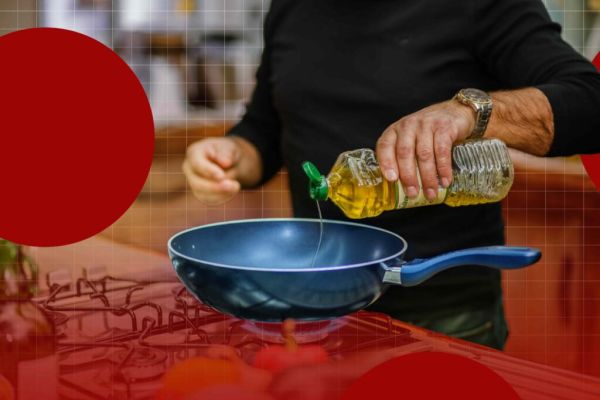
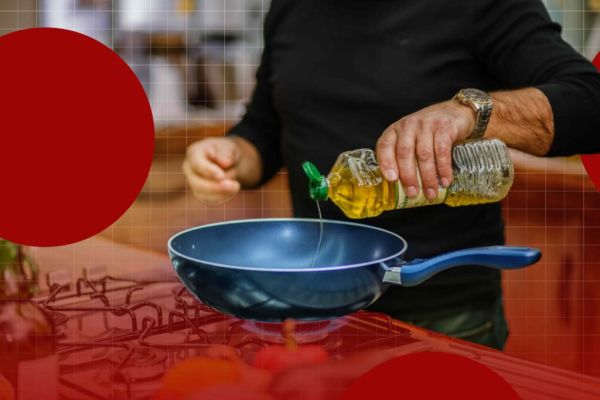
Seed oils may be one of the most villainized foods of the decade, but that reputation may not be justified. Manaker notes, “Despite some viral claims, the body of research doesn’t support the idea that these [seed] oils cause harm when used in normal amounts.”
Seed oils—including sunflower, canola, soybean and grapeseed—are oils derived from the seeds of plants, and they often contain unsaturated fats, including polyunsaturated and monounsaturated fats, which have been associated with cardiovascular benefits. Numerous studies have examined the effects of seed oils on blood lipids, including triglycerides, and have generally found favorable effects on heart health with their consumption, contrary to popular belief.
The key here is the swap from foods high in saturated fat to unsaturated fat–rich options, such as seed oils. “When seed oils replace foods high in saturated fat, they can help lower triglycerides by improving the liver’s handling and clearance of triglyceride-rich lipoproteins, while also reducing LDL cholesterol,” explains Routhenstein. “The benefit comes from what they’re replacing, not simply adding more oil to your diet.”
4. Full-Fat Dairy
Many people have avoided full-fat dairy products, such as milk and yogurt, because of their fat and calorie content, but newer research suggests we may not have had the full picture. “Full-fat dairy was once believed to increase cholesterol and triglyceride levels. However, recent research shows that full-fat dairy can be part of a healthy diet, providing satiety and key nutrients, especially for children,” notes Bouvier.
In fact, recent research suggests that dairy foods have a neutral to beneficial effect on cardiometabolic health, regardless of their fat content. Higher dairy intake is not associated with worse blood lipids or a higher cardiovascular risk, while fermented dairy products like yogurt may modestly improve triglycerides, HDL (“good”) cholesterol and waist circumference.
Our Expert Take
If you’re working to lower your triglycerides, you don’t necessarily need to eliminate foods like eggs, potatoes, seed oils or full-fat dairy. Rather than labeling foods as “good” or “bad,” consider your diet as a whole and the foods you’re choosing in place of others. Build meals around fruits, vegetables, whole grains, legumes, nuts, seeds, lean proteins and fatty fish, while enjoying these often-misunderstood foods as part of a balanced, varied eating pattern.
-
Aston Villa get major lift as record signing Johan Manzambi returns to training before crucial Hull trip

-
Happy Teachers Day Gifting Guide: From diary pens to desk plants, the best budget-friendly gift ideas for Teachers Day

-
Relationship Tips: In love, but losing communication? Do these 5 things to rekindle the spark in your relationship

-
ISRO's Naughty Boy Turns Hero, Delivers India's Historic Space Imaging Breakthrough

-
Toothbrush worth Rs 47 thousand! Dyson launches a unique brush with camera and AI, takes 28 photos every second