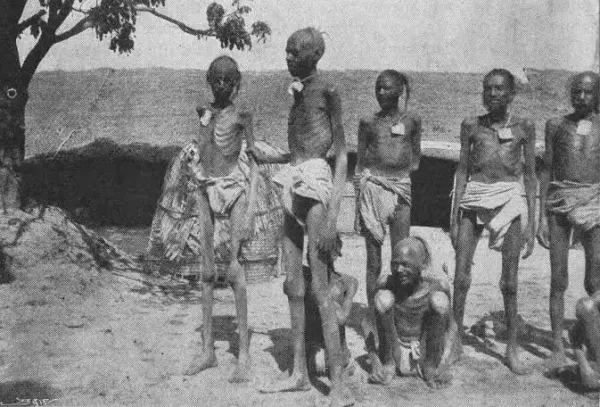
Chhappania Famine is considered to be one of the most terrible famines in the history of India. This famine occurred during the year 1899-1900 and its greatest impact was seen in Rajasthan, Gujarat, Central India and surrounding areas. Due to this famine that occurred in Vikram Samvat 1956, it is known as “Chhappaniya Famine” in Rajasthan and Western India.
How did the famine start?
In 1899, there was no rain in many parts of the country due to weak monsoon. Crops in the fields were ruined due to continuous drought. At that time, most of India's population was dependent on farming, so crop failure had a direct impact on farmers and rural families.
Reasons for lack of rain:
- Grain production fell sharply.
- The animals ran out of fodder.
- The problem of drinking water increased.
- Millions of people started struggling with hunger and poverty.
Impact of Chhappaniya famine in Rajasthan
The impact of this famine was felt most in Rajasthan. At that time many areas here were under princely states and a large number of people were dependent on farming and animal husbandry.
Causes of famine:
- The villages started becoming empty.
- People started migrating to other areas in search of food and employment.
- Thousands of animals died of hunger and lack of water.
- The rural economy was completely affected.
The suffering of Chhappaniya famine is also recorded in folk songs and proverbs. Memories of this famine are still found in the folk culture of Rajasthan.
Role of British rule
The Chhappaniya famine occurred during the British rule. At that time there was a lot of criticism regarding the famine relief policies of the British government. According to historians, relief efforts were initiated, but questions were raised about their pace and organization. In many areas, people were helped through relief camps and wage-based schemes, but these efforts did not prove sufficient in the face of widespread hunger and disease.
How many people died?
There are different estimates regarding the number of deaths in this famine. According to historians, millions of people lost their lives due to hunger, malnutrition and diseases. Heavy loss of livestock had made rural life more difficult.
Why was it named “Chhappaniya”?
According to Vikram Samvat, there was a severe famine in Rajasthan and Gujarat in the year 1956. That is why it was called “Chhappaniya Famine”. Even today, the mention of “Chhappaniya Famine” in the stories and folk literature of the elders of Rajasthan reminds us of the terrible conditions of that time.
Importance of Chhappaniya famine in history
The Chhappaniya famine was not just a natural disaster, but it also shows the social and economic challenges of that period. This incident forced India to think about issues like famine management, irrigation system and food security. This famine is a chapter of Indian history, which shows how the effects of nature and weak systems together can have a deep impact on the society. Even today the “Chhappaniya Famine” is recorded as a painful historical event in the collective memory of Rajasthan and Western India.
-
Khajaguda hit-and-run: Police move to cancel Sandeep Sai licence

-
Release Nagarjuna Sagar water or I’ll march again, warns KTR

-
Teachers’ Day: Telangana to felicitate 123 with state awards

-
Bengal to get 1,000 RSS schools for nationalistic learning: CM

-
'Babar Azam The Next Target?' Pakistan's Sacking Move Raises Big Questions