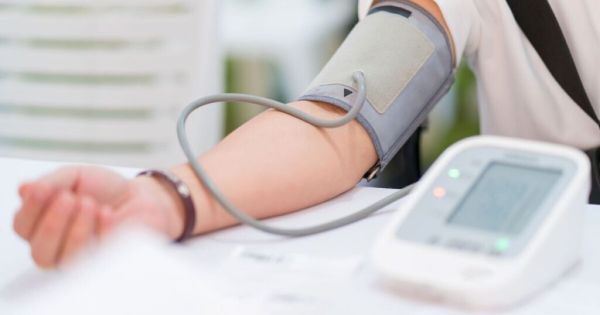
“Controversial” changes to the pharmacy blood pressure check service that sector leaders warned could put patients at risk came into force on Thursday, September 3. NHS England published an updated version of the Hypertension Case-Finding Service (HCFS) specification last month, with one of the key changes restricting GP signposting to adults aged 40 and over who do not have a diagnosis of hypertension and have not had a blood pressure check within the last five years.
Under the revised rules, patients already being treated for high blood pressure are excluded from clinic blood pressure checks. Now, eligible patients will only be able to have their blood pressure checked at a pharmacy once every five years. It comes after NHS England and Community Pharmacy England reviewed data on the service which showed that some patients were using the service to obtain regular blood pressure measurements, which has never been the purpose of the service and is a “sub-optimal” use of NHS funding, Community Pharmacy England (CPE) said. Some patients were using the service for regular routine monitoring rather than its primary goal of finding new cases, CPE said.
CPE said that the service changes were in line with National Institute for Health and Care Excellence (NICE) guidance. It added: “Similarly, the data showed that some general practices were referring patients for clinic checks who already had diagnoses of hypertension. While this is allowed under the current service requirements, it reduces the potential health economic benefits of the service to the NHS and country, as these benefits are derived from case-finding people with undiagnosed hypertension. The fees for the service come from the CPCF contract sum, so any money not spent on this service will instead be used to fund pharmacies to provide other elements of the contractual framework.”
However, pharmacy leaders have warned that the changes risk leaving people unaware they are at an increased risk of heart attacks or stroke. The National Pharmacy Association (NPA) described the change as a “retrograde step” that will hinder the drive to cut heart disease and stroke.
NPA, which represents around 6,000 pharmacies across the UK, warned that the change could leave people with undiagnosed heart or cardiovascular problems and warned the change “flies in the face” of efforts to improve prevention in the health service. It called for a full impact assessment to be carried out before changes are implemented.
Henry Gregg, chief executive of the National Pharmacy Association said last month: “Imposing a 5-year limit on pharmacy’s ability to check blood pressure will undermine the government’s ambition to promote health prevention and could leave health problems undiagnosed. It’s a clear retrograde step that flies in the face of efforts to prevent disease.
“If the NHS has evidence that blood pressure checks are being done unnecessarily frequently on some individuals, they need to take this up with the individual contractors rather than put in place arbitrary rules that undermine our shared goal of reducing the number of cases of undiagnosed hypertension.
“This is a sledge hammer to crack a nut.
“Pharmacies need the freedom to make public health interventions without constantly worrying about whether they will be reimbursed for their work. If some people are checked more frequently than every five years, that is a small price to pay. We need to focus on the real risk – which is people walking around not knowing that they are at an increased risk of an early heart attack or stroke.”
An NHS England spokesperson also said: “Thousands of pharmacies across England will continue to offer blood pressure checks in line with clinical guidance set by NICE and as part of NHS efforts to spot people at risk of hypertension.
“Pharmacies deliver 300,000 blood pressure checks a month and anyone aged 40 or over who hasn’t had a check in the last five years is encouraged to come forward.”
-
Your Love Horoscope Is Here For Saturday, September 5, 2026

-
Bk Sister Shivani: Quote of the day by BK Sister Shivani: “Belief system – “If we are nice always, people take us for granted.” ‘ Nice means responding…”

-
“Yeh Kya Bana Dia Mujhe”: Why Dimple Kapadia Was Unhappy With Her Dil Chahta Hai Hairstyle

-
Keep this thing in the bread box before sleeping, this remedy is related to blessings in Vastu.

-
Horoscope for September 5: Will Aries and Capricorn people get the support of their family today or not?