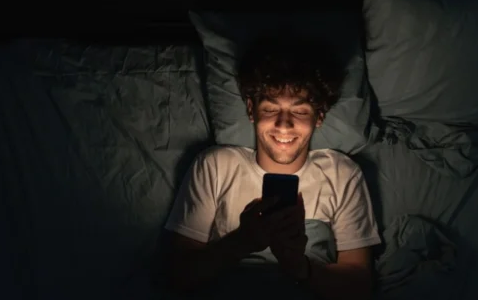
Doomscrolling has become the new normal in this day and age of screens. Your fingers constantly swipe and scroll as you wade through a relentless stream of information, switching between war updates and cat memes within seconds. The range of content you are exposed to may be vast, but the brain rarely gets enough time to process it, recover, or truly switch off.
Listen to a specialist on what to do about it. Dr Sreelaksmi N, consultant neurologist and epileptologist at SL Raheja Hospital, Mahim, a Fortis Associate in Mumbai, described how doomscrolling affects brain health and shared practical ways to break the habit.
How does doomscrolling cause brain fog?
Doomscrolling can affect both your brain chemistry and physiology. Its impact may be extensive, as Dr Sreelakshmi cautioned, “Too much doomscrolling also interferes with the brain’s capacity to recharge itself.” The brain is constantly processing information, making adequate downtime essential for it to rest and recover.
So, how is the brain’s ability to recharge disrupted? Dr Sreelakshmi explained, “Exposure to blue light during night-time scrolling decreases the production of melatonin, leading to poor sleeping habits. Sleep deprivation is linked to poor memory function, poor decision-making capabilities, mood instability, and cognitive dysfunction in general. Many people observe that they have become forgetful and irritable, even after spending many hours consuming information.”
Late-night doomscrolling can create a vicious cycle. Distressing content keeps the brain alert, and blue light exposure disrupts melatonin production and affects sleep quality. Without adequate sleep, you may wake up feeling mentally exhausted, irritable, and forgetful.
How to reduce doomscrolling?
Don’t fret, as the expert is not calling for a blanket ban. But you need to be mindful of your scrolling habits. Occasional scrolling is unlikely to cause harm, but habitual doomscrolling may affect your attention span and psychological well-being. She added, “The brain functions optimally if it gets time to rest, exercise, communicate face-to-face, and sleep undisturbed.
Here are some consistent changes Dr Sreelaksmi recommended:
- Schedule your news consumption: Set fixed times to check updates, instead of following the news continuously throughout the day.
- Avoid screens before bedtime: Put away digital devices at least an hour before sleeping to clear your mind.
- Limit notifications: Turn off unnecessary alerts that tempt you to open apps and start scrolling.
- Know when to seek help: Consult a medical professional if anxiety, sleep difficulties, headaches, or cognitive problems begin affecting your daily routines.Note to readers: This article is for informational purposes only and not a substitute for professional medical advice. Always seek the advice of your doctor with any questions about a medical condition.
-
‘Stop The Boats’: Masked Anti-Migrant Demonstrators Block UK-France Ferry Traffic

-
Former Arsenal midfielder Matteo Guendouzi handed Champions League ban after provoking rival supporters

-
From washing dishes to World Cup hero: the remarkable story of England’s 1950 tormentor Joe Gaetjens

-
India Humiliates Pakistan! Women In Blue Storm To Asia Cup Win In Just 8.4 Overs

-
Congress Major Reshuffle: Sachin Pilot Gets Punjab, Bhupesh Baghel Shifted To Assam