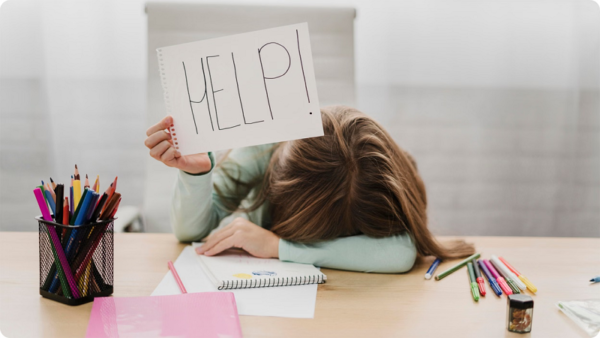
New Delhi .Changes in children's behavior during adolescence are often considered normal age- changes. Changing mood, getting angry over small things or feeling pressured regarding studies can be normal at this age, but if these changes persist then there can be mental stress or anxiety behind them. In such a situation, it becomes important for the parents to pay attention to the child's behavior and daily routine.
Teenagers are not always able to express their problems clearly. Many times they do not understand what is happening to them or hesitate to talk to family about their feelings. In such a situation, mental pressure can be visible in their behavior and everyday activities. Irritability, restlessness and repeatedly asking for reassurance about something can be signs that need attention.
If the child suddenly starts distancing himself from family or friends, loses interest in activities he previously liked or starts avoiding social situations, then it is important to understand the reason. Similarly, sudden reluctance to go to school or study can also be a sign of anxiety. A decline in studies alone is not evidence of a mental problem, but it should be taken seriously if it appears along with other changes.
Changes in sleep can also be considered an important sign. Some children may have trouble sleeping during stress, while others may sleep more than usual. If sleep problems persist for a long time, the child's concentration, energy and studies can be affected. Therefore, sudden changes in sleep patterns should not be ignored.
Mental stress can sometimes manifest as physical complaints as well. The child may experience problems like frequent headache, stomach ache or nausea. There can also be physical reasons behind these symptoms, so it would not be right to link them only to stress. In case of persistent complaints, it is necessary to undergo medical examination.
The reasons that increase stress in teenagers can be different. Circumstances like exam and study pressure, worries about the future, desire for acceptance among friends, tension in the family and bullying can affect the mental state of the child. Every child's situation is different and there is not always a single reason behind anxiety.
At such times, parent's reaction is important. Instead of scolding the child, trivializing his problem or comparing him with other children, one should listen to him calmly. The child should feel confident that he can share his problems with the family without fear or hesitation.
It is not unusual to feel stressed or anxious occasionally. Anxiety becomes a more serious concern when it persists for a long time and interferes with the child's studies, sleep, family relationships, social activities, or daily life. It is important to pay attention to the duration and intensity of such changes.
-
Read this also More than 964 soldiers are estimated to have died in 9 months, PAK's tension increased
If persistent negative changes are visible in the child's behavior or his daily life is being affected, then there should be no delay in seeking advice from a mental health specialist or doctor. Getting timely help can help in understanding the causes of the problem and deciding on appropriate support and treatment for the child. Family support and sensitive communication play an important role in taking care of the mental health of the child.
-
Russia To Pause Kyiv Strikes As Ukraine Peace Talks Gain Momentum

-
Coal shortage deepens power crisis in Punjab, generation drops by 1,500 MW: Minister

-
Ram temple donation theft: Court extends judicial custody of 8 accused

-
Pilot becomes new Punjab Cong in-charge months ahead of state polls, task cut out to address feud

-
£50m Manchester United star has now become a major issue for Sir Jim Ratcliffe