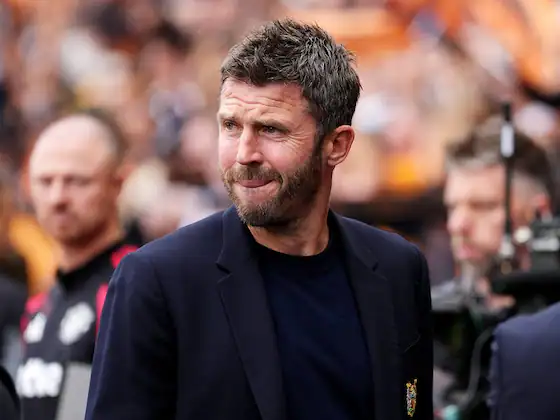
There is one table Manchester United sit on top of under Michael Carrick, and it is the one that matters most. Since his appointment in January, no side has collected more points. Yet over the past 13 years, United have been more used to leading the spending table. Now, at least for those fixated on the transfer market, they may instead be facing a different sort of mid-table mediocrity.
By the time the window shut, United were in the bottom half according to Transfermarkt figures: they spent £148m, potentially rising to £155m, on midfielders, and did not make any other senior signing. By comparison, Manchester City spent more than £400m, Chelsea and Tottenham more than £300m, while Newcastle, Aston Villa, Liverpool and Arsenal each went beyond £200m. In 11th place, United were even outspent by promoted Ipswich and Hull.
Is this austerity in the Old Trafford way? Carrick is not the type to publicly criticise his club. He insisted he is happy with the players who arrived; but with no additional left-back, which many felt they needed, and no extra striker, which plenty would also have wanted, the issue may be the signings they did not complete. Carrick appeared to suggest as much.
Michael Carrick says he is ‘largely’ happy with Manchester United’s summer transfer business despite rivals spending more and the squad still looking light in certain areas.
“Certainly, the players that we've brought into the group, I'm absolutely delighted with,” he said. “I think we've done some really good business there for the quality and the level of player that we've got. You can always look at it, and there's other things you can do or possibly could have done.”
There was a feeling that United simply could not have done those deals; not for elite targets, at least. They were offered Rayan Ait-Nouri on loan on deadline day. Realistically, they could not have signed Lewis Hall this summer, even if Newcastle had been prepared to sell.
Perhaps several factors came together. One was a familiar problem: United’s inability to move on players they no longer wanted. It was hardly their fault that Manuel Ugarte was injured at the World Cup, but they may have begun the summer expecting to raise fees for the Uruguayan, Andre Onana and Joshua Zirkzee. Instead, the striker is still at Old Trafford and the goalkeeper has gone back to Trabzonspor on loan. They may yet be thankful that Barcelona did not activate their option to buy Marcus Rashford: the proposed £26m fee may eventually look ridiculously low and, unlike the others, the Mancunian has the ability to become a first-choice player.
But while United may have expected to bring in an extra £50m, and perhaps even £100m, the only meaningful amount they received came from a Rasmus Hojlund deal with Napoli that had been arranged in 2025. Take that out and only Coventry made less from player sales than United. They rank higher in the net-spend table — Villa and Chelsea turned profits, while Newcastle were on course to do so for much of the summer — and they seem unusual when set against clubs that trade constantly.
They may also look outdated in other ways: transfer-market inflation may be absurd, but it seemed to catch United out. Midfielders they liked, whether Elliot Anderson or Mateus Fernandes, began moving for huge fees. United were unable to match that level.
But if United are now dealing with their own financial squeeze, it is also a consequence of earlier spending. The heavy losses they took on players such as Antony and Casemiro may have come back to bite them. And although Senne Lammens looked a bargain last summer, there is still a question over whether they overpaid for at least some of the £200m attacking trio of Bryan Mbeumo, Mateus Cunha and Benjamin Sesko. Their annual accounts regularly show the millions still owed to other clubs in transfer fees. Then, of course, there are the yearly interest payments required to service the debt the Glazers placed on the club.
United’s spending pattern suggests they are trying to improve their first team one department at a time.
Ruben Amorim’s spell also cost United, whether through the €11m compensation Sporting CP received or through continuing to pay the Portuguese coach after his dismissal. Finishing 15th in the Premier League in 2025 brought far less prize money; and playing only 40 matches last season — their Carabao Cup exit to Grimsby came under Amorim, while the FA Cup defeat to Brighton came under Darren Fletcher — also cut into their income.
So this has been, to an extent, a budget rebuild for United. Youri Tielemans’ £35m release clause meant he cost £90m less than Enzo Fernandez. Andrey Santos was £77m cheaper than his former Chelsea teammate, even if he spent plenty of time on the bench at Stamford Bridge while the Argentinian played. At an initial £65m, Carlos Baleba was the most expensive of the three, but even that only made him the 10th biggest signing by a Premier League club this summer.
“For what we've spent, we've certainly made the most of it, without a shadow of a doubt,” said Carrick. But perhaps the most revealing aspect is what United have spent, how that compares with others and whether it leaves them lacking. More broadly, there is a sense that nobody has got everything they wanted. “What squad's ever the perfect squad?” Carrick reflected. “You've always got to find ways of adapting.” Perhaps United’s reduced spending power will place even greater responsibility on him to do exactly that.
-
Chelsea enjoyed a strong transfer window, but they still look light in one crucial area as Clinton Morrison reviews a dramatic deadline day
-
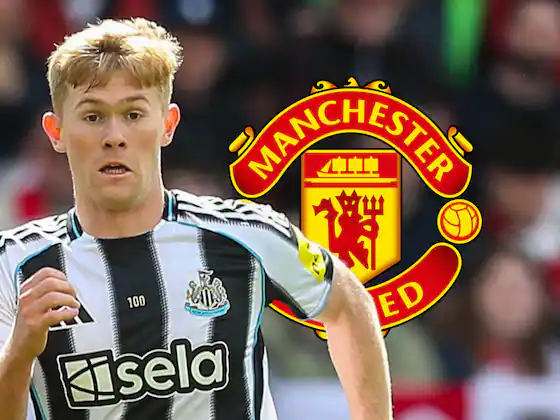
Top reporter assesses Manchester United’s chances of signing Lewis Hall as INEOS prepare four-defender overhaul
-
Fridge Water Leakage: Constantly leaking water from the fridge? Before calling a mechanic, do 'these' simple solutions

-
Common styling mistakes on first date

-
ISRO's big leap after eight months! The powerful comeback of 'Naughty Boy'; India's guard from the sky will be stronger