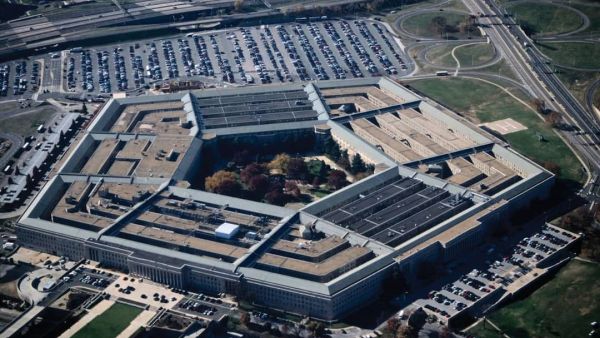
US government investigators have subjected around 50 members of the military's Joint Staff to polygraph tests as part of an investigation into alleged leaks of classified information to journalists, including reports about the war with Iran and dwindling US munitions stocks, The New York Times reported, citing officials briefed on the matter.
The tests were conducted in August and involved military officers and civilian employees on the Joint Staff. Investigators questioned them about whether they had shared classified information with members of the press and disclosed details about reduced US weapons stocks.
The move is considered an unusual step by the Pentagon, with people familiar with the investigation saying it appeared aimed not only at identifying potential sources of leaks but also at deterring others from speaking to journalists.
Investigation Follows Reports On Weapons Shortages
The polygraph examinations followed a series of news reports detailing shortages of key US weapons, including long-range missiles and Patriot interceptors, during the conflict with Iran in West Asia.
The Joint Staff, which coordinates operations, policy and war plans with combatant commanders worldwide, has between 1,500 and 2,000 officers and officials.
The scale of the investigation has attracted attention because mass polygraph testing of senior US military personnel has not been seen in modern history.
Pentagon spokesman Sean Parnell declined to comment on internal personnel or investigative matters but said the department takes leaks of classified national security information seriously.
"Securing classified information is critical to ensuring the security of the United States and of our troops deployed around the world," Parnell said, according to The New York Times.
Trump Presses For Leak Investigations
The investigation comes amid growing scrutiny over the impact of the Iran war on US munitions stocks and reports raising questions about the strategic direction of the conflict.
US President Donald Trump has pushed administration officials to aggressively pursue those responsible for leaks. He has previously described media reports critical of the US handling of the Iran war and reports about weapons shortages as "treasonous".
Current and former officials told The New York Times that the leak investigations have contributed to an atmosphere of distrust inside the Pentagon.
Hegseth Faces Scrutiny
The tensions have also been linked by officials to US Secretary of War Pete Hegseth, who, according to The New York Times, has operated with a close circle of loyalists and pushed out or blocked the promotions of at least 80 generals, admirals and other officials during his tenure.
The Pentagon has conducted several leak investigations since early last year following news coverage of Hegseth's leadership.
Hegseth had also faced criticism after sharing sensitive details about US strikes in Yemen in a Signal group last year.
According to The New York Times, Hegseth had not briefed the Pentagon press corps about the US war in Iran since May 5 and had sought to restrict journalists' access to the Pentagon.
Last month, the US Department of War fired the publisher and editor-in-chief of Stars and Stripes, a government-funded news organisation covering the US military.
The journalists said their removal was retaliation for their reporting on worsening conditions aboard the USS Abraham Lincoln.
-
What Made This City The Avocado Capital Of The World?

-
Clucky’s new alarm app wakes you up with a crowing rooster

-
Mobile App Testing: Risks That Cause Bad Launches

-
Xiaomi Smart Band 11 Active launched in global market: Equipped with 21 days battery life and 1.47-inch screen, know the price
-
IWL 2026-27 to begin October 16, IWL 2 season starts October 23