India’s changing food habits are creating a massive opportunity for the snack industry, with the country’s snack market projected to cross ₹1 lakh crore by 2034. As consumers increasingly seek convenient, healthier and occasion-based foods, the traditional snack basket is rapidly expanding.
A ₹1 lakh crore market is taking shape
Market research firm IMARC estimates India’s snacks market at ₹50,590 crore in 2025 and expects it to reach more than ₹1.04 lakh crore by 2034, growing at a compound annual growth rate of 8.28%.
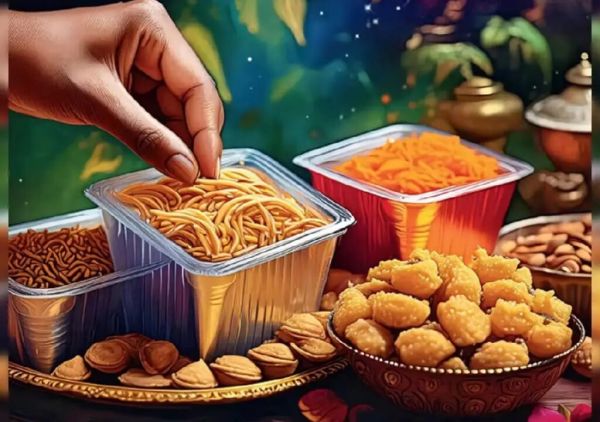
The market is no longer limited to chips and biscuits. Protein snacks, makhana, flavoured nuts, yoghurt, ready-to-eat foods, functional beverages and café products are becoming part of everyday consumption.
Rising incomes, busy lifestyles, smaller households, health awareness and easier access to food are helping drive this transformation.
Consumers are paying for convenience
Time is emerging as a major factor behind the change. As households become busier, foods requiring little or no preparation are becoming increasingly attractive.
Quick-commerce platforms have further accelerated this trend by delivering snacks and ready-to-eat products within minutes. Sandwiches, wraps, yoghurt, juices and protein snacks are increasingly being purchased for breakfast, school breaks, workouts and even dinner.
Health is adding value to snacks
The growth is also being fuelled by demand for healthier products. Instamart data shows protein snacks grew around 300%, protein yoghurt around 280% and protein milk and shakes by 225%.
Farmley’s Healthy Snacking Report 2026 found that 86% of consumers consider protein important when choosing snacks, while nearly 32% are willing to pay a premium for protein-rich products.
Yet consumers are not abandoning indulgence. Traditional namkeen, ice cream and other treats continue to share space with healthier alternatives, creating what industry experts describe as a “split basket”.
Can Indian snacks go global?
India’s growing domestic market could provide a foundation for global food brands built around makhana, millets, ragi, spices and traditional savouries.
However, experts say processing, international standards, packaging, finance and branding remain challenges. India exported $52.55 billion of agricultural and allied products in FY26, but processed food exports declined from $8.22 billion in FY25 to $8.03 billion.
The opportunity is therefore much bigger than selling snacks in India. The next challenge is turning India’s changing food habits into ₹1 lakh crore-plus businesses and globally recognised food brands.
-
Ganeshotsav 2026: Make Bappa's offerings special, make tasty 'biscuit modak' this year, children will be happy

-
Important tips and precautions for going on a solo trip

-
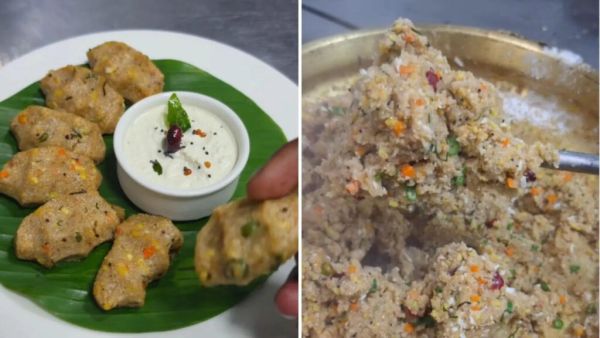
Healthy Sambar Rava Full of Traditional South Indian Taste What is Pidi Kozhukattai and why is it becoming so popular?
-
Experts reveal the best time to eat dinner for better heart health
-
5 Anker Gadgets Under $25 That Are Actually Worth Buying