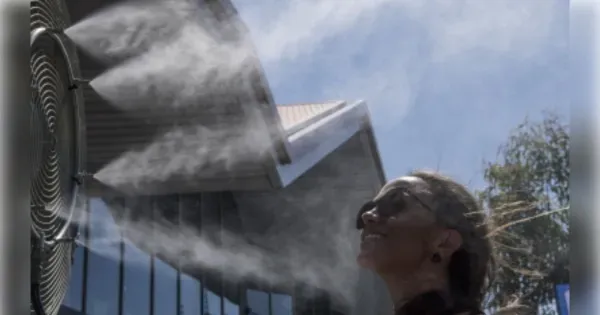
Sydney. People are still suffering from the heat in the eastern part of Australia. September has also started with unusual heat. Temperatures in Brisbane are expected to reach 34 degrees Celsius. If this happens on Sunday, it will be the hottest day of September in the city after 2019. According to the Meteorological Department, El Nino effect has also increased the concern.
According to the Bureau of Meteorology (BOM), the temperature in south-eastern Queensland and north-eastern New South Wales remains several degrees above normal. The temperature in Brisbane was recorded at 31.6 degrees Celsius in the morning, while the mercury reached 35.7 degrees in Amberley, Ipswich.
The effect of this unusual heat is not limited to just temperature. Fire ban has been implemented in Ipswich and Lockyer Valley, Queensland. Hot and dry weather combined with strong winds has further increased the risk of wildfires. A day before this, fire restrictions were also imposed in the Sydney area.
The temperature in Sydney reached 33 degrees Celsius on Saturday. According to meteorologists, the city’s maximum temperature in early September remained near average summer levels, an unusual condition for an early spring since records began in 1858.
This change in Australia’s weather is happening at a time when the country has recorded its third hottest spring season. The average winter temperature in Queensland was about 1.8 degrees Celsius above the long-term average.
However, there is hope for relief also. According to the Meteorological Department, cold and dry winds coming from the south-east may bring down the temperature from Sunday evening or Monday. The weather in New South Wales and Queensland is likely to become somewhat normal in the coming days.
Meanwhile, the impact of El Nino on Australia’s weather is also raising concerns. The weather service has warned that the current El Nino could be among the strongest events on record, causing hot and dry conditions and an increased risk of wildfires in eastern and southern parts of the country.
-
‘I miss my long hair’ - Erling Haaland speaks about dramatic new look and Norway’s historic World Cup win over Brazil
-
Chaos for Mohamed Salah as Trabzonspor coach Fatih Tekke leaves the club days after his resignation was blocked

-
Old friends Arteta and Alonso set to revive rivalry as Arsenal face Chelsea

-
Ganeshotsav 2026: Make Bappa's offerings special, make tasty 'biscuit modak' this year, children will be happy

-
Important tips and precautions for going on a solo trip