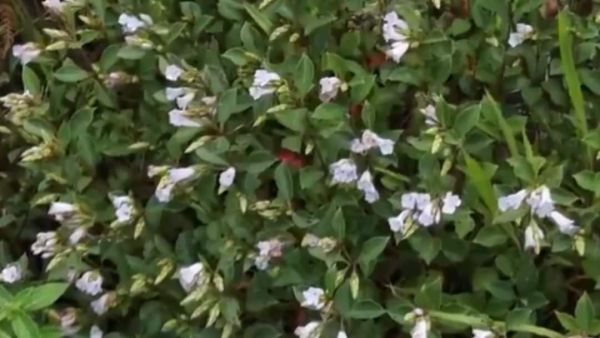
After nearly 12 years, Neelakurinji has returned in large numbers to the hills around Chokramudi, Korandakkad and Mattupetty in Munnar, Kerala. The flowering began in August and has already drawn visitors to Chokramudi, which opened to tourists on August 24. Forest officials expect the bloom to expand to other high-altitude areas as September progresses and the rains ease. The sight is significant because Neelakurinji flowers in mass cycles, with different populations following different schedules. While the 2026 bloom is attracting attention, it is not the next flowering of the Eravikulam population, which Kerala Tourism expects to bloom again in 2030.
Neelakurinji Bloom 2026
Neelakurinji, scientifically called Strobilanthes kunthiana, is famous for its mass flowering cycle. Large groups of the plant bloom together after roughly 12 years, covering stretches of high-altitude grassland with blue and purple flowers.
The Chokramudi-Mattupetty population last flowered in 2014, making 2026 its expected flowering year. The current bloom is being seen around Korandakkad, Mattupetty, and Chokramudi, including areas on Kanan Devan Hills Plantations (KDHP) land at an elevation of around 6,000 feet.
#WATCH | Munnar, Kerala: After a wait of nearly 12 years, the rare Neelakurinji flowers have bloomed in large numbers across the Korandakadu hills near Mattupetty in Munnar. pic.twitter.com/9bBSqGQdJ8
— ANI (@ANI) September 7, 2026
The plant follows a distinctive life cycle. It flowers, produces seeds, and then dies, leaving the next generation to develop over the following years. This pattern is known as pleiotropic or semelparous flowering.
Where Can You See The Flowers?
Chokramudi is already attracting tourists, with visitor access regulated by authorities. Forest officials expect the flowering to spread further across higher slopes as September progresses and the weather becomes more favourable. Other areas expected to see flowering include Meesapulimala, Edalimedu, Sevenmala and Gundumala. Scattered blooms have also been reported around Chinnakanal.
Visitors should follow local restrictions and avoid plucking, trampling or otherwise damaging the plants. The flowering areas form part of the high-altitude shola-grassland landscape of the Western Ghats. According to Kerala Tourism, Neelakurinji is an endemic species found at elevations above 1,500 metres.
Why 2026 Bloom Is Different
The current flowering should not be confused with the famous Neelakurinji bloom at Eravikulam National Park. Different populations of the species in the Munnar region do not necessarily flower in the same year. The Eravikulam population last experienced a major flowering in 2018. Kerala Tourism expects its next major bloom in 2030. Therefore, tourists visiting Munnar in 2026 can witness Neelakurinji at Chokramudi, Korandakkad and Mattupetty, but should not expect the Eravikulam population to flower this year.
The flowering also has ecological importance. Neelakurinji grows in Western Ghats shola-grassland habitats that face pressures from plantations, urban expansion, invasive species and tourism. The species was assessed for the first time for the IUCN Red List in 2024 and was classified as Vulnerable under criterion A2c, with the assessment pointing to population decline and the need for habitat protection.
For travellers planning a Munnar visit in 2026, Chokramudi and the Mattupetty-Korandakkad region offer the opportunity to see this rare flowering cycle, while Eravikulam remains a 2030 destination for the next expected major bloom.