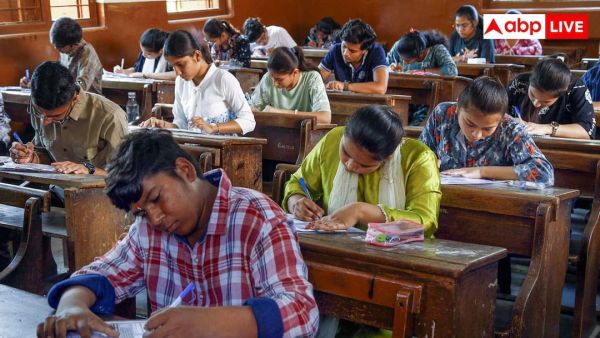
The Maharashtra government is set to review the way recruitment examinations are organised and conducted across the state, with a seven-member high-level committee tasked with identifying gaps and recommending reforms. The exercise aims to make exams more transparent, secure, and fair for candidates appearing for government recruitment.
The decision was taken at a meeting chaired by Chief Minister Devendra Fadnavis on August 12 and was subsequently formalised through a government resolution. Rather than addressing individual problems separately, the government plans to assess the examination system as a whole, covering the process from question paper preparation to the declaration of results.
Question Paper Security to Be Examined
The committee will assess the various stages involved in preparing and managing recruitment examinations. Its review will cover question paper setting and moderation, preparation of multiple question paper sets, printing or digital distribution, and the secure storage and handling of examination material.
The panel will also examine the arrangements followed at examination centres. This includes candidate verification, centre management, evaluation procedures, and the systems used for declaring results.
Preventing examination-related malpractice will be another key area of the review. The committee will look at ways to strengthen safeguards against paper leaks, impersonation, and the unauthorised use of electronic devices during exams.
Technology, Surveillance and Centre Standards in Focus
The proposed reforms are expected to explore wider use of technology to strengthen the examination system. Digital platforms, candidate authentication tools, surveillance systems, and audit mechanisms will be among the areas considered as part of the exercise.
The committee will also study recruitment examination systems followed in other states and international models to identify practices that could be adopted in Maharashtra.
Another part of its mandate is to recommend minimum standards for examination centres. These standards could cover infrastructure, staffing requirements, and the level of preparedness expected at centres before an examination is conducted.
Seven-Member Panel to Seek Feedback From Candidates
The review will be led by V. Radha, Additional Chief Secretary. The seven-member committee also includes DGP Sadanand Date, IT Secretary Virendra Singh and Dr N. Ramaswamy, who will serve as member-secretary.
The panel further includes Praveen Gedam, former Air Marshal Ajit Shankarrao Bhosale and IIT Bombay professor Shyamprasad Karagadde, bringing administrative, technological and academic expertise to the exercise.
Importantly, the committee will not limit its review to official procedures. It will travel across Maharashtra's revenue divisions and meet students, recruitment exam candidates and institutions to hear their concerns directly. The feedback gathered during these interactions is expected to inform the recommendations submitted by the panel.
Grievance Redressal and Coordination Also on Agenda
The proposed changes will also look beyond question papers and examination centres. The committee will examine coordination between different authorities involved in conducting recruitment exams, including district administrations, police departments, and examination bodies.
Better mechanisms for handling grievances and communicating with candidates will also form part of the review. The objective is to create clearer and more reliable systems for aspirants at different stages of the recruitment process.
Through the exercise, the Maharashtra government is seeking to strengthen confidence in its recruitment examination system. By addressing security concerns, improving technology and centre standards, and taking feedback from candidates and institutions, the government aims to build an examination process that is more transparent, accountable and merit-based.
-
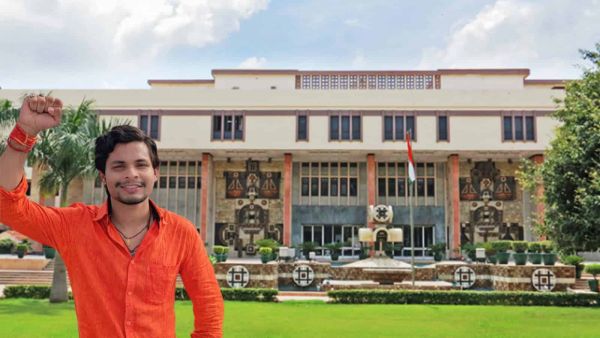
Delhi HC agrees to urgent hearing of Swatantra Bhardwaj’s plea
-
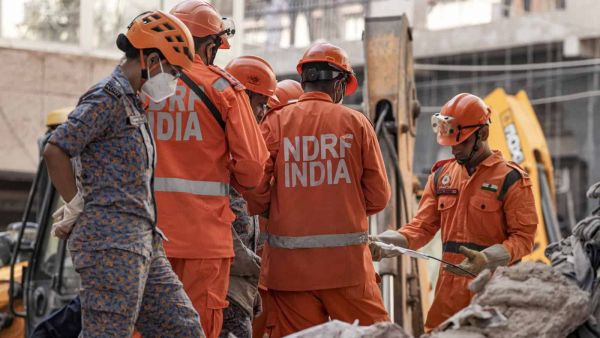
Delhi building collapse day 2: Death toll rises to 7, 12 rescued
-
Kochi-Abu Dhabi Air India Express flight returns after oil drop

-
List of films releasing in Hyderabad theatres on Sept 10 and 11

-
Emmy Awards 2026: 'Window's Bay' Leads With 8 Awards, 'DTF St. Louis' Takes 6, 'Spider-Noir' Follows