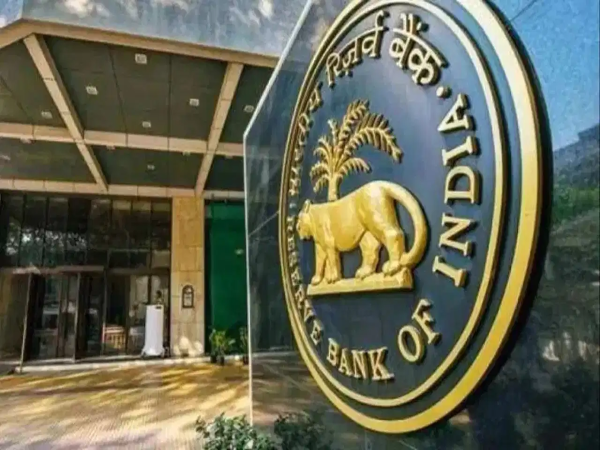
The Reserve Bank of India (RBI) is actively utilizing its monetary policy tools to manage liquidity (cash availability) within the Indian banking system. A sudden surge in surplus liquidity has emerged in the banking system due to Foreign Currency Non-Resident-Bank [FCNR(B)] deposits and increased foreign capital inflows. According to reports, an excess accumulation of cash in the banking system risks pushing short-term money market rates (such as the overnight call money rate) below the repo rate, which could undermine the RBI's monetary policy objectives regarding inflation control. To absorb this excess cash and maintain interest rate stability in the money market, the central bank has resorted to Variable Rate Reverse Repo (VRRR) auctions. Let us understand this in greater detail.
What is a VRRR auction?
Variable Rate Reverse Repo (VRRR) is a key short-term tool used by the Reserve Bank of India to withdraw excess liquidity from the banking system. Under this mechanism, commercial banks deposit their surplus cash with the Reserve Bank for a specific tenure (e.g., 3, 7, or 14 days) and earn interest at competitive (variable) rates.
Who is IAS officer Neha Marvya Singh, who is distressed by her fourth transfer in a year?
Surge in banking system liquidity driven by FCNR(B) inflows
Significant liquidity in the form of domestic currency (rupee) has been generated within the banking system as a result of Non-Resident Indians (NRIs) depositing foreign currency into FCNR(B) accounts and the central bank purchasing dollars. Failure to manage this excess liquidity promptly poses a risk of imbalance in the currency market. It is worth noting that banks have received $127 billion due to the RBI's FCNR(B) scheme.
Preventing a Collapse in Short-Term Interest Rates
When banks hold surplus cash, they tend to lend in the interbank market at very low rates. By absorbing this excess cash through VRRR auctions, the RBI ensures that overnight call money rates and TREPS (Triparty Repo) rates remain aligned with the central bank's benchmark policy rate (Repo Rate).
Controlling Inflation and Ensuring Financial Stability
If a situation of excessive market liquidity persists for a prolonged period, it can fuel demand-pull inflation in the economy. Through VRRR auctions, the RBI keeps inflation risks in check while offering commercial banks an opportunity to earn safe and systematic returns on their idle funds. Amidst the liquidity generated by FCNR(B) inflows, this move demonstrates the central bank's ability to smoothly balance liquidity resulting from foreign capital influx without causing volatility in the financial markets. Until systemic liquidity returns to normal levels, VRRR auctions will remain a primary tool for managing the Indian money market.
Why Liquidity Management is Crucial
Driven by substantial FCNR(B) inflows, foreign exchange reserves hit a record high of $740.8 billion in the week ending August 28. These reserves will prove valuable should the rupee face pressure amidst the ongoing conflict in West Asia. Liquidity remains abundant in the banking system due to FCNR(B) deposits and sustained government spending. Meanwhile, the Indian economy remains robust; despite geopolitical crises, real GDP grew by a better-than-expected 7.8 percent in the April-June quarter. On the inflation front, the rate stood at 4.45 percent in April and 4.38 percent in June. However, there are concerns that it could rise further in August due to geopolitical tensions and rainfall levels falling short of expectations regarding El Niño. In this scenario, the RBI must strike a balance between growth and inflation while managing liquidity.
Is VRRR the only option?
Not necessarily. Sonal Varma, Chief Economist for India and Asia (excluding Japan) at Nomura, states that the central bank can employ various methods to absorb liquidity. These options include sustained VRRR operations, a hike in the Incremental Cash Reserve Ratio (CRR)—the minimum cash balance banks are required to maintain—for a period of 2–3 months, and 'sell-buy' swaps. Under a sell-buy swap, the RBI sells foreign currency to commercial banks and agrees to repurchase it at a future date.
Varma noted that the RBI is currently grappling with an issue of excess liquidity, as banks that had raised dollars through this scheme now hold surplus liquidity. Consequently, the weighted average call rate—the interest rate on short-term interbank loans—has fallen below the policy repo rate. Although the surplus liquidity in the banking system is expected to moderate due to factors such as heightened cash demand during the upcoming festive season, the maturity of forward contracts, and potential RBI forex interventions (dollar sales), the central bank may still need to utilize multiple liquidity-absorption tools to eliminate this surplus. It will, however, be interesting to observe the level of interest generated by this long-term VRRR auction.
Disclaimer: This content has been sourced and edited from TV9. While we have made modifications for clarity and presentation, the original content belongs to its respective authors and website. We do not claim ownership of the content.
-
Russia Orders Closure Of German Consulate In St Petersburg Amid Diplomatic Row

-
‘A touch of Brazilian flair!’ – Former Chelsea striker Alexandre Pato eyes English club takeover

-
Assam Adopts Green Cess Policy 2026; Khel Maharan 3.0 To Focus On Young Athletes From Nov 1

-
Footballer Arrested Two Weeks Before Wedding Over Alleged Poisoning Death Of Teammate Amid 'Woman' Dispute

-
BGMS Season 5: Nebula Esports Crowned Champions, Win ₹40 Lakh After 18-Match Grand Finals