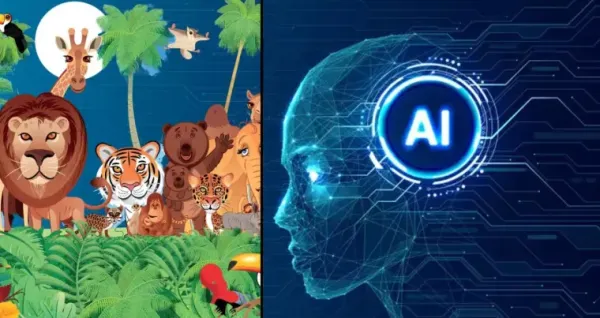
AI and biologists attempt to understand animal communication
The possibility of dialogue between humans and animals is no longer limited to science fiction alone. With the help of AI and biologists, scientists are analyzing large datasets of animal sounds. Experts estimate that by 2030, AI can identify such patterns, which could lead to major advances in understanding animal communication.
Efforts to understand animal language are centuries old
Humans have long been trying to understand the behavior of animals and the meaning of their sounds. However, it has not yet been possible to understand the language of another species in the same way that humans communicate with each other. New AI technology may change this direction.
According to the report, efforts by humans to contact animals are nothing new. Researchers have found flutes made from bones dating back approximately 12,000 years, the use of which may be linked to attempts to communicate with birds, particularly birds of prey.
In later times, scientists also conducted research on communication between different species. Animal psychology expert Irene Pepperberg conducted research on African gray parrots for nearly 30 years. Similarly, anthropologist Jean Gudall has also shared her experiences of understanding the behavior of chimpanzees and their voices.
Efforts to create larger data sets from AI and biologists
Now the help of new technology is being taken in this research. Scientists are using small electronic recording tags, called biologgers. They can be attached to the body of animals of different species, so that data to their sounds and communication can be continuously recorded.
From the sounds of whales to the howls of wolves, such recordings can create large datasets. AI can then analyze this data and look for repeating patterns.
This process can help scientists understand what behavior or situation a particular sound or signal is to. However, this does not mean that AI will definitely be able to translate the complete language of animals like humans. This is still a subject of research and technological progress.
Hope of success by 2030, but danger of misuse
Private equity billionaire Jeremy Caller, one of the leading proponents of the field, believes that the rapid development of AI could lead to major breakthroughs in understanding animal communication by 2030. Researchers working in this field believe that better understanding the emotions and needs of animals can also change the behavior of humans towards them.
But there is another aspect of this technology also. The ability to understand animals' sounds and behavior can be misused to hunt or control them. There are also examples in history of technology being used against animals.
There is mention of the use of sonar technology by whale hunters in the twentieth century. Even today, hunters use recordings or imitations of bird calls to trap them.
Researchers working on AI-based animal translation also consider this risk serious. For example, birds can be easily targeted by misusing information about their communications.
Therefore, developing technology to understand animal language is a scientific opportunity, but its responsible use is also a big challenge.
-
Dhurandhar 2 to Border 2: Top 10 Highest Grossing Movies of Bollywood In 2026; Check

-
Dow, S&P 500, Nasdaq Futures Slide As Iran Conflict Sends Oil Back Toward $100: TSLA, NVDA, ORCL, INTC, BIDU, BABA, BE In Focus

-
Woman Blocks Jaipur Road While Filming Argument, Ambulance With Heart Patient Trapped Behind Her

-
Punjab: Dalit man’s suicide sparks row, Cong demands Mann govt’s ouster

-
Ravi Kishan’s viral ‘Money Follows’ dialogue gets a song, release date announced