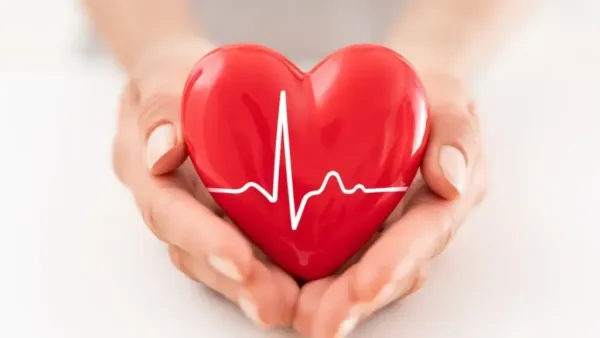
Heart Health: Slow heart rate, which is medically called bradycardia, is a condition in which the heart beats less than 60 times a minute. In some people, especially active athletes who exercise regularly, a lower resting heart rate may be a sign of a healthier, more efficient heart and better cardiovascular health. However, if the same condition occurs in older people, it may be a sign of changes in the heart’s electrical system rather than improved fitness. Therefore, it is important to understand whether a slow heart rate is a result of normal physiological adaptation or a potential health risk.
When is bradycardia necessary?
The heartbeat is controlled by the sinoatrial (SA) node, which is also known as the body’s natural pacemaker. This complex electrical system gradually weakens with age. Structural changes such as fibrosis or calcification can affect the conduction of electrical signals, causing a slow or irregular heartbeat. Some changes are natural with aging, but if an older person has persistent bradycardia, medical evaluation is necessary.
The most important criterion to differentiate between fitness and risk is the presence or absence of symptoms. In physically fit and healthy people, a slow heart rate is usually not accompanied by symptoms such as fatigue, dizziness, or decreased stamina. In contrast, age- bradycardia can cause symptoms such as persistent fatigue, mild dizziness, confusion, shortness of breath with mild physical exertion, or fainting. This happens because the heart cannot pump enough oxygenated blood to meet the body’s needs.
Common diseases associated with aging, such as high blood pressure, diabetes, and coronary artery disease, can further increase the risk of heart rhythm problems. Additionally, some medications can also slow down the heart rate. Therefore, it is important to recognize the risk factors and early warning signs to understand whether a slow heart rate is normal or a sign of the need for medical help.
When is it necessary to implant a pacemaker?
Bradycardia is usually diagnosed with an electrocardiogram (ECG), which measures the heart’s rhythm. If symptoms are intermittent, ambulatory monitoring may be needed to record heart activity over a longer period of time. Treatment completely depends on the real cause. In some cases, changing the medication is sufficient, while symptomatic patients may need to have a pacemaker implanted. Nowadays, modern, less invasive technologies like leadless pacemakers are also available.
Slowing down of heartbeat with age is not always a matter of concern, but it should not be ignored without proper investigation. Timely and accurate testing can determine whether it is a sign of proper heart function or a condition that requires medical treatment. This ensures that the heart continues to function in a safe, balanced and healthy manner even in old age.
-
TMC symbol remains with Mamata Banerjee, asserts MP Sougata Roy
-
CISF karatekas Priyank Bhadoriya, Anshika Bhardwaj win silver medals

-
Kollam: Parent-Teacher Meeting Turns Into Nightmare for Woman! Read Details
-
Tom Lee Says ‘Economists Are Fighting Last Year’s Wars’ As Fundstrat’s 2% Bitcoin Bet Swells To 85%

-
Sadhguru’s Isha Foundation On Search For Missing Kailash Manasarovar Participants