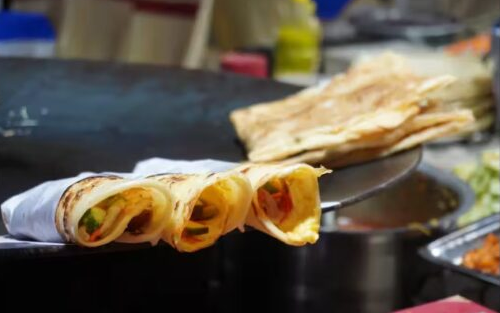
What did the inspections find?
According to officials, the inspections uncovered several problems, including expired ingredients, unhygienic kitchen conditions, poor storage practices, pest- concerns and the repeated use of cooking oil. In some establishments, officials also found rotten food.The condition of some sweet shops particularly surprised the civic authorities.Pandey said the hygiene standards at several sweet shops needed improvement, pointing out that Bengal’s sweets are a major part of the state’s food culture.The inspections also found cases where establishments had retail licences but did not have the required manufacturing licences.As part of the wider drive, KMC officials reportedly discarded 1,224 kg of food considered unhygienic. Meat and seafood accounted for a significant portion of the discarded stock, with markets including Hogg Market, Maniktala, Patipukur fish market and Tangra among the places inspected.
Which eateries are facing action?
The list includes several familiar names. Nizam’s, the iconic eatery associated with the kathi roll, is among those named, along with Karim’s on Ripon Street, Shimla Biryani on the Eastern Metropolitan Bypass and an Arsalan outlet in Nagerbazar.Other establishments facing action include Don Giovanni, Balaram Mullick and Radharaman Mullick, Sri Hari, Big Boss and Kurry Patta.The civic body has also issued different kinds of notices to other establishments. Around 89 received show-cause or refrain notices, while notices under Section 38 of the Food Safety and Standards Act were issued to 112 establishments.
Can these restaurants reopen?
The action isn’t necessarily permanent. The establishments facing suspension have been asked to fix the problems identified during the inspections and meet the required food safety and hygiene standards before seeking permission to reopen.KMC has not set a specific deadline for reopening. That means establishments could potentially resume operations before the festive season if they make the required changes and secure the necessary approvals.The timing is significant, with Durga Puja approaching in October and Kolkata’s restaurants, sweet shops and food businesses preparing for one of the city’s busiest periods of the year.
The crackdown wasn’t limited to Kolkata
The inspections in Kolkata were part of a much wider food safety exercise across West Bengal.During the first two days of the state’s Special Food Safety Week, officials inspected 1,730 food business operators. Major irregularities were reported at 1,525 establishments, while corrective action was suggested in 1,517 cases. Authorities also collected 901 food samples for laboratory testing.Across the initial phase of the drive, food sales were prohibited at 11 establishments, while five licences were suspended or cancelled and 13 premises were closed or sealed.For customers, the exercise is a reminder that food safety isn’t only about what’s on the menu. A dish may look perfectly fine when it reaches the table, but the real story can often begin much earlier – with the ingredients, kitchen, storage conditions and way the food is prepared.
-
44-year-old man kills wife half his age in Telangana’s Khammam
-
Wife’s angry relatives demolish Telangana Dalit man’s house

-
Prakash Raj slams modern censorship, calls SIR ‘bloodless genocide’
-
Fabrizio Romano says Lewis Hall move to Manchester United remains possible despite Newcastle agreement

-
Ganesh Chaturthi 2026: Before welcoming Bappa, shine copper puja thali like this, these things will clean the house