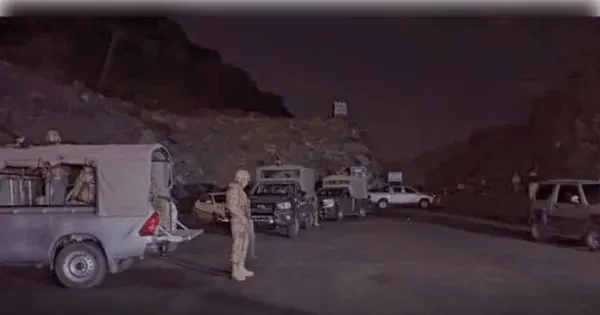
Pakistan Army vehicles have been targeted in Kharan and Panjgur districts of Balochistan. A shocking claim has been made in this attack by armed people.
According to this claim, 1,000 army personnel were killed or injured in the attack. The Pakistan government or the federal army has not yet commented on this claim. Till now no organization has taken responsibility for such an attack.
According to a report released by The Balochistan Post on the evening of 08 September, local sources said that armed men targeted Pakistan Army vehicles near Kharan city in the evening.
Sources say that during the attack there was direct firing on at least three army vehicles. According to initial reports, about 1,000 military personnel were killed or injured in the attack. There was no immediate official statement from the authorities regarding the incident, casualties or the attack.
Meanwhile, gunmen set on fire a vehicle carrying ration for the Pakistan Army in Prom area of Panjgur district. According to sources, during this time armed people also captured another vehicle.
According to local sources, armed men destroyed surveillance cameras installed by the Pakistan Army in an incident of setting fire to a residential area in Chidgi area of Panjgur.
No one has yet taken responsibility for these attacks. However, Baloch pro-freedom organizations have been taking responsibility for such incidents.
According to an earlier report by The Balochistan Post, according to data previously released by the media wing of the Baloch Liberation Army (BLA), the BLA carried out more than 500 attacks targeting Pakistani security forces, military positions and vehicles.
More than 1,000 soldiers were killed or seriously injured. The year 2026 has seen widespread conflicts in Mastung, Quetta, Kalat, and Bolan.
The BLA’s Fatah Squad and other special branches have carried out several deadly attacks targeting federal government military convoys. Several Pakistani soldiers were claimed killed in these attacks in Ziarat Cross and Surab areas.
The Government of Pakistan and the Army (ISPR) generally reject the claims of Baloch insurgent groups or report very low numbers of casualties.
Pakistan’s security forces are also carrying out large-scale military operations in the area. Hundreds of Baloch fighters have been claimed to have been killed in these operations.
Due to the conflict zone and strict restrictions on media, it is extremely difficult to independently verify these high casualty figures from both sides (BLA and Pakistan Army).
According to another report, United Nations human rights experts have expressed serious concern over the enforced disappearance and extrajudicial killing of Balochistan resident Imran Ali and urged Pakistan to conduct a prompt and impartial investigation into the matter.
It is reported that on August 27 last year, around 20 officers of Pakistan’s Anti-Terrorism Department had allegedly kidnapped Ali from his apartment and taken him to an unknown place.
Ali’s family was not given any official information for a year about his whereabouts or what happened to him. However, some of the people detained with Ali confirmed after his release that he was kept in detention.
A release from the Office of the UN High Commissioner for Human Rights said Ali was allegedly tortured for several days during his detention.
“If, after detaining a person, authorities refuse to acknowledge that he or she is in their custody, or suppress information about him or her whereabouts, this constitutes enforced disappearance,” the experts said.
In such a situation, the victim is left outside the protection of the law and this is a violation of an essential principle of international law.
Ali was killed in an alleged encounter in May 2026, a police official said during a hearing last month before Pakistan’s Commission of Inquiry, which looks into cases of enforced disappearances.
It took almost a month for the authorities to identify his body. Authorities claimed that they could not preserve Ali’s body and hence it was buried in June 2026.
After this revelation, Ali’s family reached the Civil Hospital in Quetta, where the family members identified the body on the basis of photographs present in the hospital records. Ali’s body was reportedly brought to the hospital along with six other bodies.
The hospital staff or the police did not prepare any documents regarding any of these bodies nor recorded their information.
These bodies were buried without identification and without informing their families. Experts said, “Given these cases in Balochistan, there is a serious fear that other bodies may also be those of forcibly disappeared people.”
-
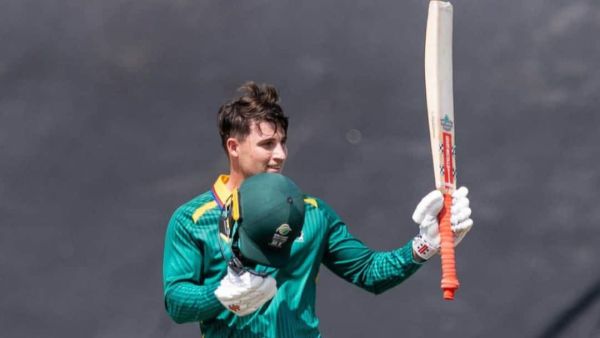
South Africa Star Smashes 150 On ODI Debut, Equals World Record Ahead Of 2027 World Cup
-
TVK Names Alliance ‘Secular Social Justice Victory Alliance’

-
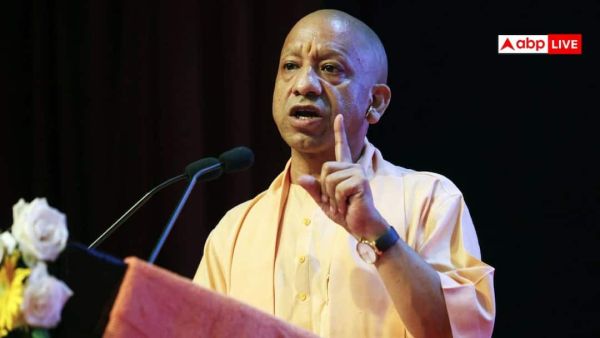
‘Jail Or Hell’: Yogi Adityanath’s Warning To Those Who Threaten Women’s Safety
-
Manchester United fan group sets out major protest plans before Sunday’s derby

-
IOA Forms Panel To Probe Asunta Lakra’s Harassment Allegations Against Hockey India Secretary Bhola Nath Singh