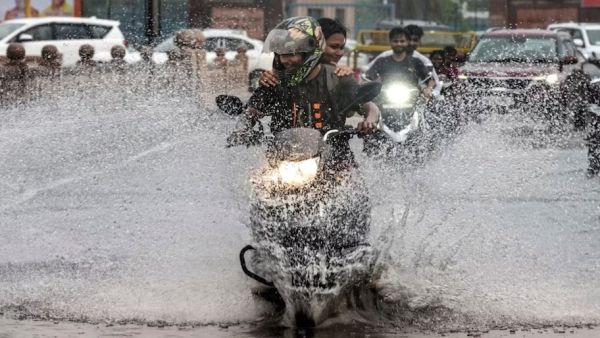
A very aggressive and huge weather system has become active over the country, which has again made the monsoon extremely severe in the month of September. According to the India Meteorological Department (IMD), the deep depression formed over the northwestern part of the Bay of Bengal, the coastal areas of Gangetic West Bengal and North Odisha is now rapidly moving towards the interior lands. This huge seasonal cyclone is being called the 'monster of the sky' in common parlance and media, because it is pulling towards itself a huge amount of monsoon moisture from both the Arabian Sea and the Bay of Bengal. Meteorologists have issued a warning that due to the impact of this system, a catastrophic period of strong storms, lightning and torrential rains may begin in 21 states of the country, due to which normal life is likely to be affected on a large scale. Highest danger in Eastern and Central India: Red and Orange Alert in these states According to the latest bulletin of the Meteorological Department, the first and severe attack of this active weather system is being seen on the states of Eastern and Central India. Heavy to very heavy rainfall alert has been declared in Odisha, West Bengal, Jharkhand, Bihar and Chhattisgarh for the next 48 to 72 hours. A serious warning has been given of flash flood and submergence of low-lying areas in many parts of Jharkhand and coastal Odisha. As this system progresses in Madhya Pradesh and Vidarbha region, there is a possibility of heavy rains along with strong winds. Meteorologists say that the huge chain of clouds is continuously taking energy from the sea, due to which strong storm winds at a speed of 70 to 80 kilometers per hour can blow in many districts and old trees or raw structures can fall. Mood will change in North India and Delhi-NCR also: Double blow on UP-Uttarakhand. This system, rising from Eastern India and moving in the west-northwest direction, is going to have a direct impact on the plains and hilly areas of North India as well. Torrential rains will intensify in Purvanchal districts of Uttar Pradesh (Varanasi, Gorakhpur, Prayagraj, Ghazipur) to Awadh and Terai areas. Along with this, there will be cloud cover in Delhi-NCR, Haryana, Punjab and East Rajasthan and there will be intermittent showers with strong thunder and lightning. On the other hand, for sensitive hill states like Uttarakhand and Himachal Pradesh, this seasonal change is no less than a major disaster. Due to heavy rainfall in the mountains, there is a serious danger of sudden landslides, falling of boulders and overflowing of mountain rivers, in view of which the administration has increased vigilance on sensitive routes. The spread of this weather system is not limited only to North and Central India, but its widespread impact is being seen in South India and North-Eastern states also. Continuous moderate to heavy rainfall is forecast due to cloud activity over Telangana, Coastal Andhra Pradesh, North Tamil Nadu and Coastal Konkan region of Maharashtra. At the same time, warning of heavy rain has been maintained in Assam, Meghalaya, Tripura and Arunachal Pradesh due to the pressure of cyclonic winds. Meteorologists have warned the general public and especially farmers working in open fields not to stand under trees or near electric poles during thunderstorms and severe thunderstorms, as the risk of intense lightning strikes has increased manifold with this weather system. NDRF on alert, important guidelines for administration and common citizens In view of this changed and dangerous form of weather in 21 states, the teams of National Disaster Response Force (NDRF) and State Disaster Management Authority (SDRF) have been kept on full alert mode. In sensitive areas, District Magistrates have been instructed to monitor waterlogging, river water level and condition of dams round the clock. Fishermen have been given strict instructions not to venture into the deep sea in the coastal areas of the Bay of Bengal and the Arabian Sea. The Meteorological Department has advised citizens to avoid unnecessary travel during inclement weather, keep an eye on local weather updates and take shelter in safe permanent houses during thunderstorms.
-
South Africa Star Smashes 150 On ODI Debut, Equals World Record Ahead Of 2027 World Cup

-
TVK Names Alliance ‘Secular Social Justice Victory Alliance’

-
‘Jail Or Hell’: Yogi Adityanath’s Warning To Those Who Threaten Women’s Safety

-
Manchester United fan group sets out major protest plans before Sunday’s derby

-
IOA Forms Panel To Probe Asunta Lakra’s Harassment Allegations Against Hockey India Secretary Bhola Nath Singh