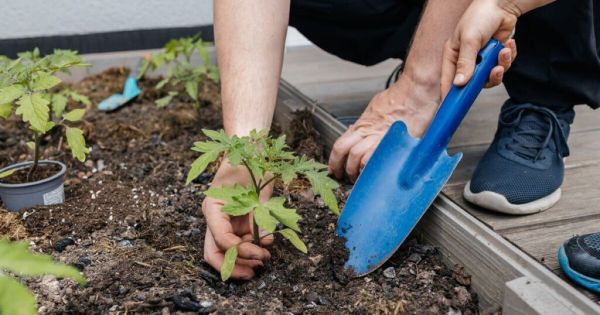
Noah Mabey, Senior Gardener at Thornbridge Hall and Horticultural Advisor to Platinum Spas Hot Tubs, says the change of season provides an opportunity to expand your collection at no extra cost. “This gives newly divided plants an opportunity to establish their roots before winter arrives, helping them get off to a strong start the following spring,” he said. “The key is to give plants enough time to settle before the colder weather arrives. September usually provides the perfect conditions, with warm soil and more moisture than the height of summer.”
All you have to do is divide established perennial plants. The Royal Horticultural Society also lists autumn as one of the main periods for dividing clump-forming herbaceous perennials, although it notes that the best timing varies between plants. Noah explained: “Dividing perennials is one of my favourite gardening jobs because you’re essentially getting free plants while also improving the health of the original one.” He explained that established clumps can become overcrowded over time, potentially affecting their vigour and flowering.
To divide a suitable plant, carefully lift the whole clump from the ground while trying to retain as much of the root system as possible. Larger or tougher clumps can then be split using a sharp spade, while the RHS recommends using two garden forks back-to-back for some large, fibrous-rooted perennials.
Once the plant has been separated, each healthy section can be replanted elsewhere in the garden, giving gardeners another way to fill gaps in borders. Newly divided plants should be planted as soon as possible and watered thoroughly while they establish.
However, gardeners should not assume every perennial should be divided in exactly the same way or at exactly the same time. The RHS says summer-flowering plants can generally be divided in spring or autumn, while some plants are better divided after flowering in summer.
There is another money-saving job gardeners can tackle this month, too. Noah recommends leaving some healthy fading flowers to develop seed heads, allowing the seeds to be collected and stored for sowing next year.
The RHS also lists collecting and sowing seed from perennials and hardy annuals among its September gardening jobs. Together with dividing suitable perennials, it means gardeners have several opportunities this month to make more plants from what is already growing in their gardens.
Noah said: “Whether it’s dividing an overcrowded perennial or collecting seeds from a favourite flower, a few simple jobs now could result in a fuller, more colourful garden next year – without another costly trip to the garden centre!” The important point is to check that the plant is suitable for division and give any new sections enough water while they settle in.
-
Yamal hits back at Mbappe and Dembele: I will not beg for the Ballon d'Or

-
Pay attention to the performance and gas quality of CNG cars

-
3 warning signs bananas have gone bad

-
Zaid Ali T questions Rajab Butt’s fame and dignity

-
Make this secret masala from cinnamon and cloves, the vegetable will taste amazing as soon as you add 1 spoon of it.