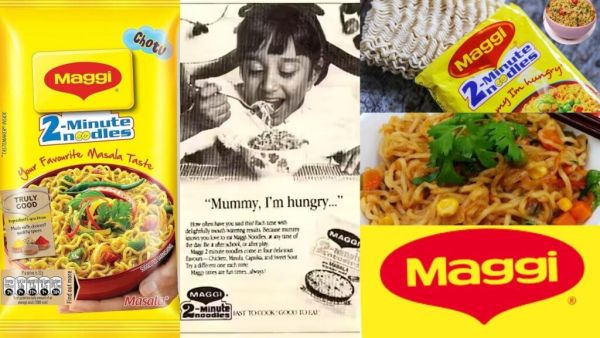
That era of the eighties is still etched in the memories of the middle class families of India like a golden page, when as the evening approached, the most common thing to be heard from the mouths of the children was that Mummy is hungry. At that time, suddenly preparing something quick and tasty for working mothers or children returning tired from school was no less than a big challenge, because at that time it took hours to cook traditional dishes in the kitchen. At the same time, a foreign experiment quietly entered the Indian market, about which the common citizen of the country was completely unaware and whose name people were not even aware of. Something like noodles was never a part of the traditional Indian diet, but recognizing the pulse of this modern and fast-paced world, a product was introduced that solved this major everyday problem of the housewives of the country in a jiffy. Within no time, this new food product became the king of the kitchen of every house in India and it had such a magical effect on the tongues of everyone from children to adults that even after decades, the graph of its popularity has not gone down even a bit. When the foundation of instant noodles was laid for the first time in India and the initial hesitation of the people, it is not easy for any new foreign product to make its place in a traditional and diverse culture like India, and when Nestle launched Maggi in the Indian market just before the nineties i.e. in the last years of the eighties, then there were all kinds of doubts in the minds of people about it. In traditional Indian families, anything made from flour was not considered very good from health point of view, and on top of that, this packet claiming to have food ready in two minutes was no less than a scientific miracle for the people. The senior citizens and elders of that time could not understand how anything could be prepared by just putting it in boiling water for two minutes, because we had our own long and established rules for cooking rotis and pulses and vegetables. But this company, showing its aggressive marketing strategy and foresight, directly targeted those children and mothers of the country who wanted to eat something light and spicy after returning from school or in the evening. Gradually, when mothers saw that this product was filling their children's stomachs as well as saving their precious time, they started trying it and this marked the official beginning of a new and golden era of instant noodles in India. That magical two-minute magic masala that changed the entire definition of Indian snacks. If there is one biggest element behind the historic success of Maggi, then it is the Magic Masala packet which gives a unique and unique taste, the mere smell of which used to light up the faces of children. When the aroma of spices emanating from that small pouch spread in the kitchen after the water boiled, it was enough to attract any child from an ordinary household towards the table. The company made several local changes in the formula of this spice according to the preferences and spicy taste of the Indian consumers, so that it can suit the taste of the people of every state and every region. Be it the spiciness of North India or the slight aroma of spices of South India, this two-minute noodles made a special place for itself everywhere and within no time it became the most favorite tiffin snack of children in every corner of India. When the entire family sat together in the evening, the heated discussions over a plate of Maggi were proof that this product was no longer just a food item, but had become an important part of the social life and bonding of Indian families. Changing lifestyle, working women and the journey from hostel rooms to offices As Indian society moved towards modernity, cities expanded and the trend of nuclear families increased rapidly, the pace of life became much faster for working mothers and single youth. In an era where on one hand it was becoming difficult to find hours to cook food, on the other hand, for the students living in hostels of engineering and medical colleges across the country, this two-minute noodles proved to be no less than a life-saving medicine. Be it feeling suddenly hungry while studying at 2 o'clock in the night or having to fill your stomach while staying within the budget when your pocket money runs out at the end of the month, the boiling kettle and packet of Maggi in the hostel rooms has become an emotion which today's youth can never forget. Young professionals living a hectic office life also resorted to this to finish their dinner quickly after returning to their flats. In this way, this product made an indelible place in the hearts of everyone from every section of the country, be it a school child, a college student or a single working person living in the city, which became stronger with time. Remaining the uncrowned king of the market despite going through many controversies and difficult times, the path to any great success is never completely easy, and this popular brand also had to face very serious challenges and big legal disputes many times in its long journey. There came a time when big questions were raised about its safety standards across the country and it was suddenly banned, which was a big shock to crores of consumers who loved it. But on the strength of its strong reputation, excellent research and unwavering trust of its customers, the company not only braved the entire crisis but also made a strong comeback in the market within a few months with more stringent quality standards. In today's era, when hundreds of Indian and foreign companies selling noodles and instant food have come in the market and are giving tough competition, this brand still firmly occupies the number one position on the strength of its old heritage and trust in the hearts of consumers. That small experiment that started in the eighties has today become such an essential part of India's food culture, without which modern Indian kitchen cannot be imagined and this journey will continue to gain momentum for many decades to come.
-
Liverpool stay keen on Stankovic: bid turned down during Jones talks and fresh move being lined up

-
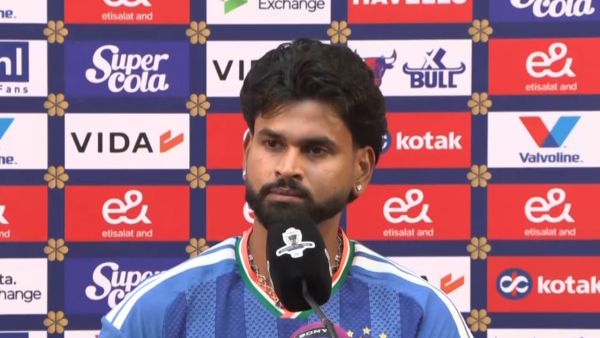
IND vs AFG: Jasprit Bumrah needs game time and confidence, says Iyer
-
ENG vs PAK: Joe Root’s Historic Ascent Reaches New Heights in the Race for Test Immortality

-
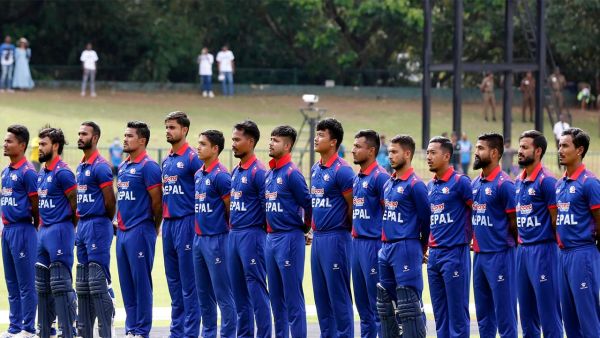
Nepal makes history, secures second Asia Cup spot to face India, Pak
-
India clarifies: No proposal for a common BRICS currency at present