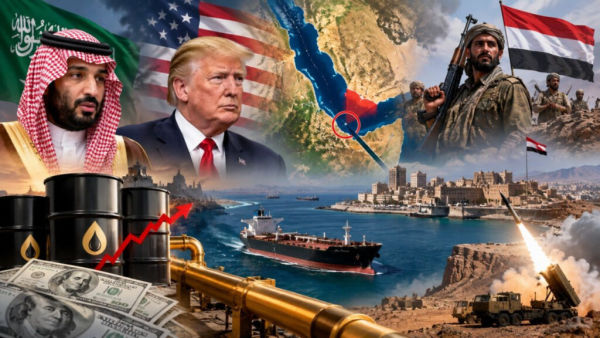
New Delhi: The ongoing geopolitical turmoil in West Asia has now reached a new and serious turn. Iran-backed Houthi rebels in Yemen have established control over the highly strategic Red Sea coastal city of Mocha. After this step, Houthis have now reached very close to the ‘Bab al-Mandeb’ strait, which is very important for global trade and energy supply. Amidst this worsening military balance, Saudi Arabia’s Crown Prince Mohammed bin Salman (MBS) sought US intervention to deal with the crisis, but he has faced a clear refusal from Washington.
surge in oil prices
The impact of the Houthis’ increasing military reach and threat at the Red Sea chokepoint is beginning to be visible on the global economy. On Thursday, there was a sharp rise in the prices of crude oil and the price reached around $ 116 per barrel.
According to experts, disruption of oil exports from Bab-al-Mandeb could affect the global supply chain. The Houthis’ advance amid the standoff at the Strait of Hormuz is giving Iran and its allies a new means to put pressure on the West.
Trump’s dual strategy and Washington’s denial
According to a report by American news website ‘Axios’, Saudi Crown Prince Mohammed bin Salman called US President Donald Trump twice and strongly advocated military attacks on Houthi positions. However, President Trump rejected this request outright. US administration officials clearly believe that Washington does not want to open a new military front by directly getting involved in the Yemen war at this time.
On the other hand, America has also given the message that it will not leave Saudi Arabia completely isolated. To share this coordination and strategy, Admiral Brad Cooper, head of the US Central Command, immediately visited Riyadh. The main focus of Washington’s policy is limited to curbing Iran and securing the Strait of Hormuz, in order to prevent further spread of regional conflict.
Big change in Riyadh’s military stance
This latest conflict between Saudi Arabia and Houthi rebels has become quite fierce since July. In the past, Riyadh believed that it could face Houthi threats even without US military intervention. However, continued missile and drone attacks by the Houthis on Saudi oil tankers and key energy infrastructure forced Riyadh to abandon its defensive posture and seek direct US help.
Saudi Arabia and its allied forces have launched devastating airstrikes and ground operations against Houthi positions, but the Houthis’ ever-increasing control over key areas of Yemen has become a major challenge for Saudi strategists. America’s outright denial has increased Riyadh’s concern, which is likely to make developments in the Gulf region more complicated in the coming days.
-
WATCH: Indian Wushu Star Breaks Down After Asian Games Snub, Alleges 'Abuse Of Power'

-
Arteta told £52m Manchester United star would have ‘shone’ at Arsenal after leaving ‘sick’ Red Devils
-
'Stay On Top Of The Rallies': Elena Rybakina Reveals Game Plan To Stop Aryna Sabalenka In US Open 2026 Final

-
Thane Snakebite Awareness Campaign: Tribal Schools, Hostels To Get Prevention And Emergency Response Training From September 19

-
Rohit Roy Calls Television 'Dustbin Medium': 'You Can't Do Hoo-Haa And Make Stupid Comments'