Concerns about seed oils often center on their omega-6 polyunsaturated fat content. Some experts say that consuming large amounts of omega-6 without enough omega-3 may contribute to inflammation, which in turn could affect cardiovascular health. This has fueled claims, particularly on social media, that diets high in seed oils may raise the risk of heart disease and stroke.
|
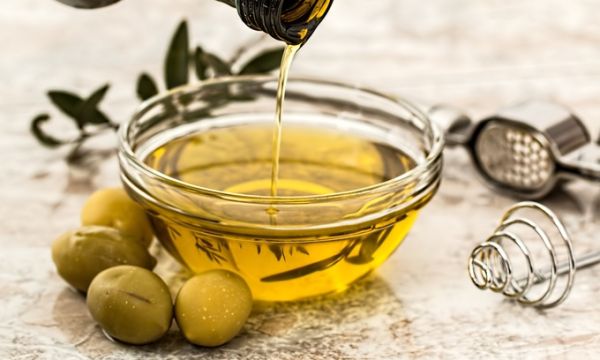
Population studies haven’t shown harm from seed oils. Illustration photo from Pixabay |
However, Dr Louise Flanagan, head of research at the Stroke Association, said there is currently no strong evidence supporting such claims.
“While there is a lot of talk about seed oils being bad for health, scientific evidence does not support this,” she said, adding that relatively little research has examined the specific health effects of individual plant oils.
A most recent study in March 2025 followed more than 200,000 people in the U.S. for around three decades. The researchers found that higher consumption of plant-based oils was associated with a lower risk of death from cardiovascular disease.
Higher intake of plant oils, including both seed-derived oils and oils made from fruit, was also linked to a lower overall risk of death, as well as reduced mortality from cancer and cardiovascular disease.
“Population studies haven’t shown harm from seed oils,” BBC quoted dietitian Nichola Ludlam-Raine, author of “How Not to Eat Ultra-Processed,” as saying,
The way seed oils are used, however, can affect their health profile. Many seed oils are refined and can oxidize when exposed to high temperatures, particularly when the same oil is repeatedly reheated, according to Health.
Oxidation occurs when fats break down and form compounds such as free radicals and, under certain conditions, trans fats.
Excessive free radicals can damage cells and contribute to inflammation, while trans fats are known to increase the risk of cardiovascular disease.
Refining can also reduce some naturally occurring beneficial compounds in seed oils, including polyphenol antioxidants and vitamin E, making highly refined versions less nutrient-rich than less processed or cold-pressed alternatives.
-
Will Rain Wash Out India vs Afghanistan 1st T20I? Delhi Weather Update

-
Saturday Box Office Collection: 'Hanuman Ansh' Beats 'Mirzapur The Movie', 'Haiwaan' Struggles

-
F1 2026 Spanish GP Starting Grid: Confirmed Driver Line-Up After Penalties

-
Nepal flood: US approves additional USD 1 million

-
'Stay humble!' - Oliver Glasner plays down remarkable eight-match unbeaten record against Unai Emery after landmark Nottingham Forest win at Aston Villa