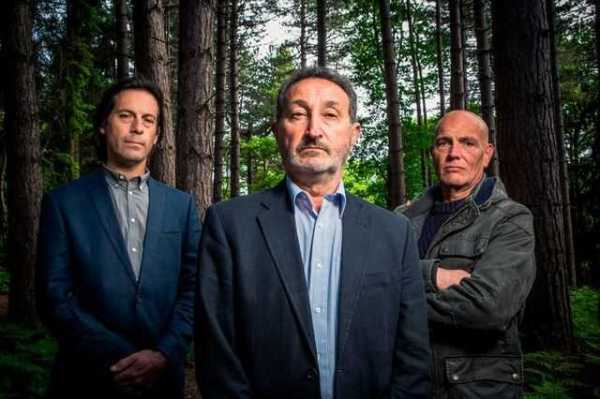
Twelve years on, questions about the massacre of a British family who were gunned down in the French Alps remain.
Holidaying in a remote mountain spot near the picturesque Lake Annecy, the al-Hilli family tragically never returned home. Dad Saad al-Hilli, 50, of Claygate, Surrey, wife Iqbal, 47, and her mother Suhaila, 74 were shot dead point-blank in their car on September 5, 2012. Eldest daughter Zainab survived after being shot once in the shoulder and pistol-whipped.
Youngest daughter Zeena, then four, was left unscathed as she hid unseen under her mum's skirt in the back seat. Shockingly, she watched on in horror. Meanwhile, local cyclist, dad-of-three Sylvain Mollier, 45, from the nearby town of Ugine, was found dead on the ground.
A former detective on the case believes the cyclist was the intended target of the mystery gunman – with the British-Iraqi family killed as witnesses to his assassination. Ex-DCI Mark Preston, who was Surrey Police's senior investigating officer on the murder of the family, said that according to ballistics evidence, the cyclist had been shot first and last, with more bullets than were used for any of the family.
Yet when French prosecutor Eric Maillaud visited Surrey soon after, he said the answer to the case lay in Britain. Suspicion fell on Saad's elder brother Zaid, with whom there had been a feud over inheritance.
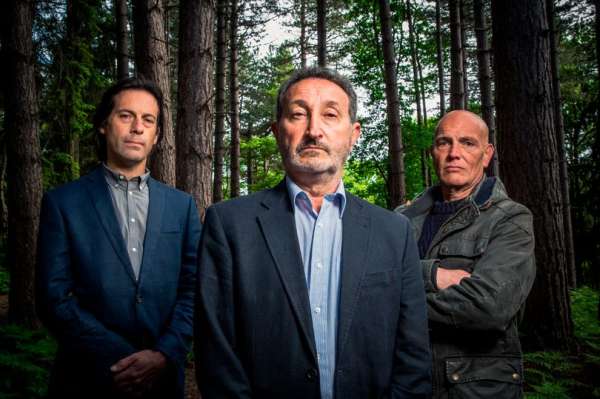
Mark, who has since left the police, fears crucial lines of enquiry in the case were closed too soon. Ahead of a three-part documentary, Murder in the Alps, airing on Channel 4 again tonight, he said: "Why were the al-Hillis killed?
"My view is that it was to cover and confuse any investigation, that Mollier was the target. That's why the gunman used so many bullets. Whoever was in that car park was going to die."
Mark admits he was surprised when the French prosecutor went public with his premature conclusions, leaving him little room to backtrack later if the evidence showed otherwise. With all the attention being paid to the foreign family, whose Iraqi background made them more intriguing to his French counterparts, far less was done to probe the idea of Mollier being the person the gunman had intended to kill.
Mark says: "With no motive against Saad or Iqbal being the target, and the evidence at the scene not suggesting the al-Hillis were the target, we’re then left with two theories: one is a lone gunman, or that Mollier was the target. The lack of evidence or sightings suggesting a lone gunman was involved makes that far less of a possibility than that Mollier was the target, given he was shot first, most, and last.
"From my perspective, there wasn’t as much scrutiny of Mollier being the intended victim as there had been of the al-Hillis being the intended victims. I do think that the depth to which we delved into the al-Hillis got to the point where we could absolutely prove that they were not the targets. With Mollier, there were still questions."
Saad’s brother Zaid was arrested in 2013 on Mark's orders, though the ex-detective has since said this was done mainly so the Iraqi-born accountant could be formally eliminated from inquiries - which he was. Detectives focused on Saad and Zaid having an alleged physical confrontation, and the fact Saad kept a Taser at the Claygate house.
In the documentary, Zaid, who now lives on the coast after leaving his flat in Chessington, Surrey, talks of his suffering after being wrongly accused so early on. There were also theories that Saad might have been a spy because of his work as a satellite engineer, or even that he might have been killed because of their father's former life in Iraq.
But Mark quickly came to the conclusion that none of these theories stood up to close scrutiny, but he followed them up to ensure no doubt was left. He says: "I knew that until we'd exhausted everything we could, the public, the French investigators, and some English investigators would never feel comfortable moving on to anything else.
"We had to close that door. I don't like the impact it had on Zaid, but by the same token if we hadn’t done that he would still be an official suspect today. Would I do anything differently? No. Did I believe Zaid was responsible? No. Were there grounds for his arrest? Yes. I hope Zaid understands now why we did that."
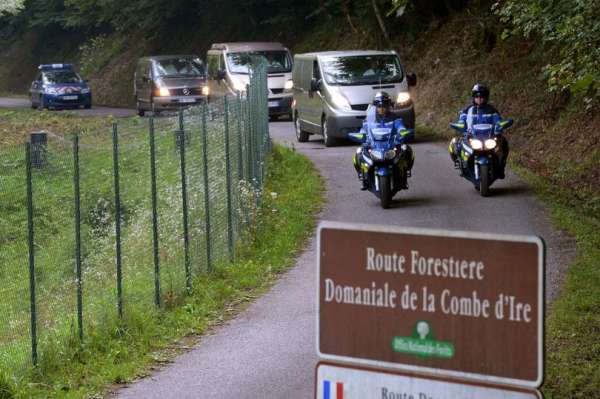
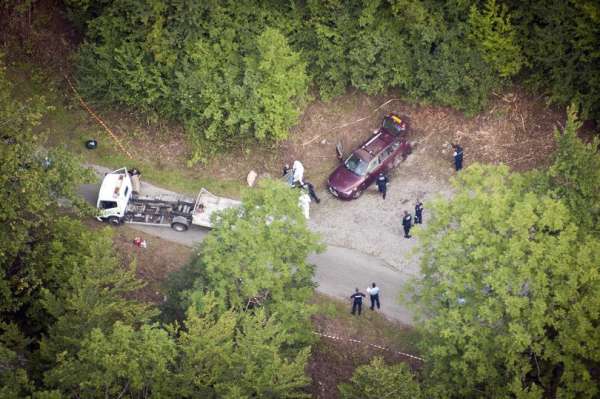
Mark's focus moved to France and in June 2013, nine months after the murders, he visited the scene at Chevaline near the Swiss and Italian borders. He says: "I had doubts about the al-Hillis being the target because of the geographical nature of the scene, but I couldn’t formalise those thoughts until I went there myself. I held that thought in reserve until I had been there."
The al-Hillis had driven to the spot on the recommendation of the owner of a nearby lakeside campsite where they were staying in their caravan. Mark says: "Even on the drive up I was thinking, ‘This just doesn’t feel right’, the idea of the al-Hillis being followed from the campsite – particularly later when we had it confirmed that it was a spontaneous trip.
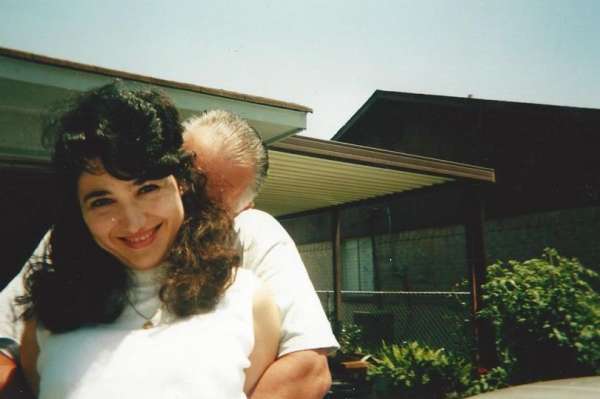
"When I got to the scene I thought it was a far less likely theory that they were the intended target." He adds: "I think the gunman, in a sense, struck lucky in the amount of confusion caused by the make-up of the British-Iraqi family who happened to be on holiday. It massively helps the killer.
"They were shot in an execution style, the daughter was attacked, and on the face of it, anybody would imagine they were the intended targets, with Mollier being a witness, rather than taking out one individual and dispatching potentially four witnesses.
"It’s not within our experience that that happens, but sometimes you’ve got to look out of the norm with investigations." He hoped the documentary would prompt someone who knows what really happened to come forward.
He adds: "I was very surprised and disappointed we never got to thoroughly see the investigation against Mollier. There was a lot of reassurance from the French that they had undertaken a thorough investigation of Mollier being the intended target, but I never saw the documentary proof that that was the case. Certainly not to the same extent that we’d dealt with the al-Hillis.
"I think that time can be a critical factor in solving a crime like this. I feel somebody somewhere knows what happened. Time may prompt them to tell the police. Somebody’s guilt about two orphaned children, and the extraordinary stress to Zaid – who has lost his brother and been judged because he is of British-Iraqi ancestry – could prompt someone to do the right thing. That’s the hope".
Murder in the Alps airs tonight on Channel 4 at 10pm
-
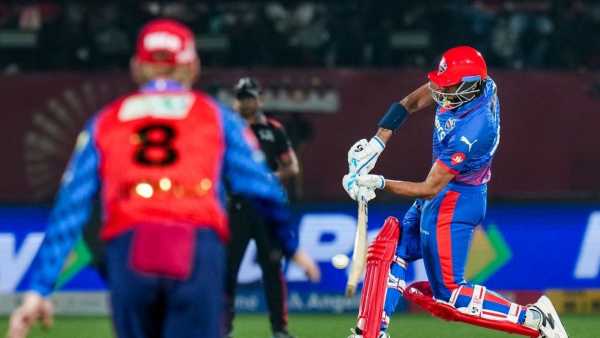
PBKS vs DC: Delhi Capitals’ resounding win, Punjab Kings’ fourth consecutive defeat
-
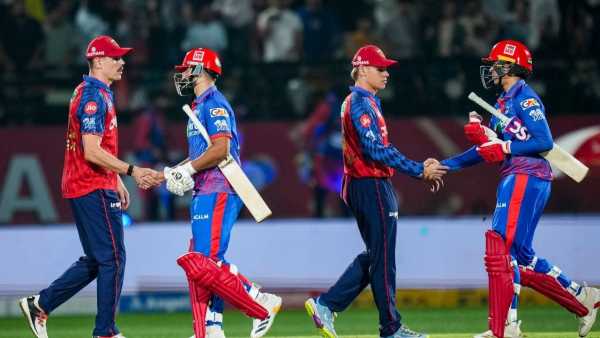
IPL Points Table 2026: Delhi Capitals took a leap and defeated this team, this is the latest condition of Punjab
-
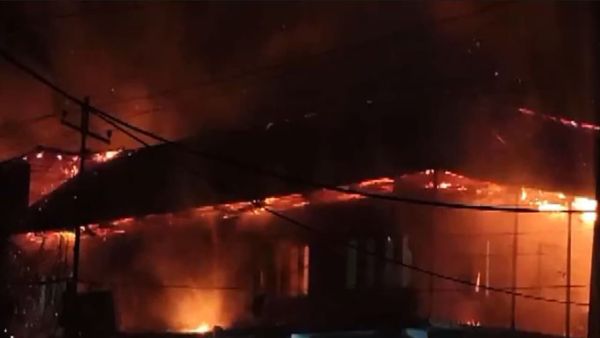
Fire breaks out at residential-cum-shopping complex in J&K’s Anantnag
-
Suvendu Adhikari Govt’s 1st Cabinet Meet: Land for BSF, Ayushman Bharat
-
Gemini Horoscope Today, May 12, 2026, Tuesday