
UP News: The expansion of the Lucknow to Gauriphanta AC bus service marks a significant step toward improving ecotourism and public transport connectivity in the Terai region of Uttar Pradesh. This initiative has been made possible due to improved road infrastructure and a growing demand for reliable, affordable travel options. Earlier limited only to Dudhwa National Park, the route has now been extended further to Gauriphanta, opening new opportunities for travelers, nature lovers, and local communities alike.
Strengthening the Terai Eco-Tourism Circuit
The Terai region is known for its dense forests, wetlands, and rich biodiversity. By extending the bus route beyond Dudhwa and through Katarniaghat to Gauriphanta, the state aims to integrate this forest belt more closely with the broader eco-tourism network of Uttar Pradesh. This move is expected to encourage sustainable tourism while reducing dependence on private vehicles, which often pose environmental challenges in sensitive forest areas.
Improved Public Transport Connectivity
For many years, reaching forest-edge destinations in the Terai region required either private transport or irregular local buses. This lack of dependable connectivity restricted tourism growth and limited access for students, researchers, and budget travelers. The extended AC bus service now offers a direct and comfortable travel option from Lucknow, making these destinations more accessible to a wider audience.
Lucknow to Gauriphanta AC Bus Schedule
The AC 2×2 bus service is designed to suit both tourists and regular travelers. The bus departs from Kaiserbagh Bus Station in Lucknow at 8:00 am and reaches Gauriphanta at around 2:00 pm. On its return journey, it leaves Gauriphanta at 2:30 pm, makes a short stop at Dudhwa, and arrives back in Lucknow by approximately 9:00 pm. This schedule allows travelers sufficient daytime access to key locations along the route.
Fare Structure and Affordability
The pricing of the service has been kept affordable to encourage usage among different sections of travelers. The fare from Lucknow to Dudhwa is Rs 487, while the fare for the extended journey to Gauriphanta is Rs 536. Considering the distance, comfort, and convenience offered by an air-conditioned bus, the pricing is expected to attract both domestic tourists and local passengers.
Why the Bus Route Was Extended
The decision to extend the bus service was influenced by long-standing connectivity gaps and increasing tourism demand. As interest in wildlife tourism, birdwatching, and ecological studies continues to rise, the need for dependable transport has become more pressing. Officials believe that a regular bus connection will not only support tourism but also contribute to regional development by improving mobility for residents.
Spotlight on Gauriphanta’s Natural Landscape
Gauriphanta, located close to the international border, has remained relatively isolated from mainstream tourism despite its ecological importance. The area is known for its wetlands and grasslands, which attract a variety of migratory and resident bird species. With improved access, these landscapes are expected to gain visibility among birdwatchers, conservationists, and academic groups interested in biodiversity studies.
Boost During Peak Eco-Tourism Season
The timing of the route extension aligns with the peak ecotourism season in and around the Dudhwa Tiger Reserve. Better connectivity during this period will help manage visitor flow more efficiently and provide travelers with a safer, organized transport option. In the long run, this initiative is likely to support sustainable tourism practices while enhancing the overall visitor experience.
A Step Toward Sustainable Travel
By offering a direct public transport option to ecologically sensitive zones, the extended bus service promotes responsible travel. Reduced reliance on private vehicles can help lower traffic congestion and environmental impact in forest regions. At the same time, improved accessibility ensures that eco-tourism benefits reach local communities, encouraging conservation-friendly livelihoods.
-
Mysterious experiences and ghost stories
-
MP is amazing: ‘Jaggery cultivation’ Now after ‘jaggery seeds’, farmer complains in CM helpline, demands to provide jaggery seeds
-
Controversial status took its toll on Christmas, Bajrang Dal worker entered into shop and beaten publicly!

-
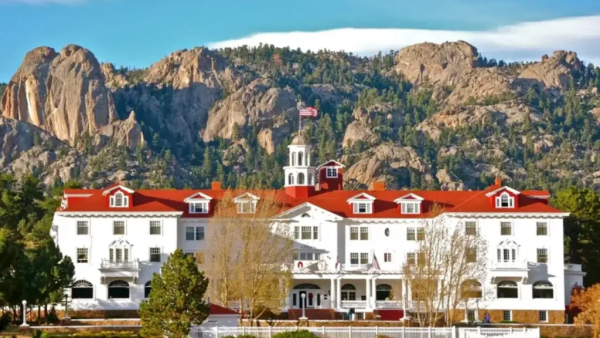
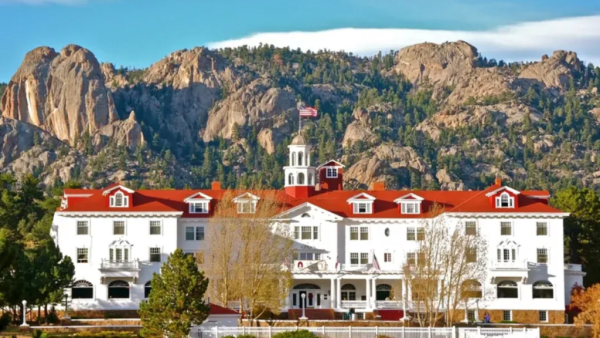
America’s most ‘haunted hotel’ that inspired ‘The Shining’, would you dare to stay in it?
-
Sadie Sink compares Stranger Things to Spider-Man role